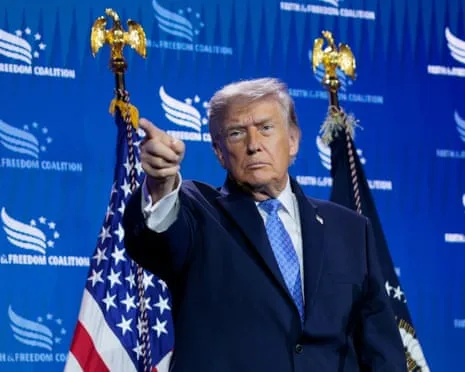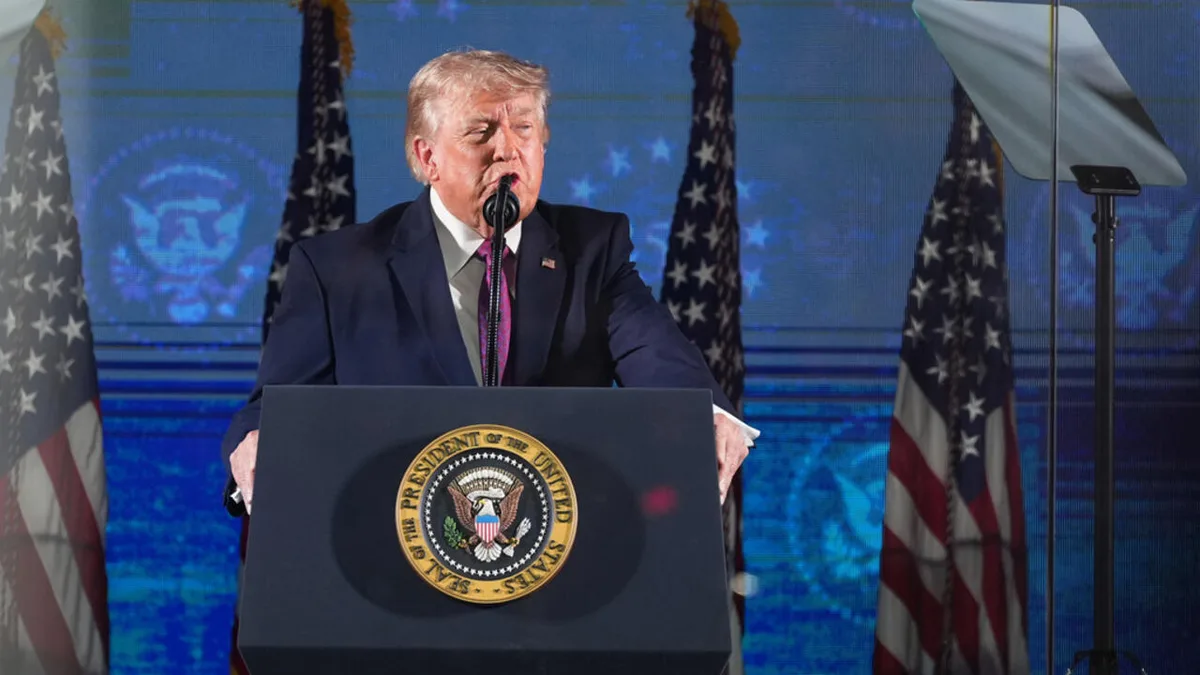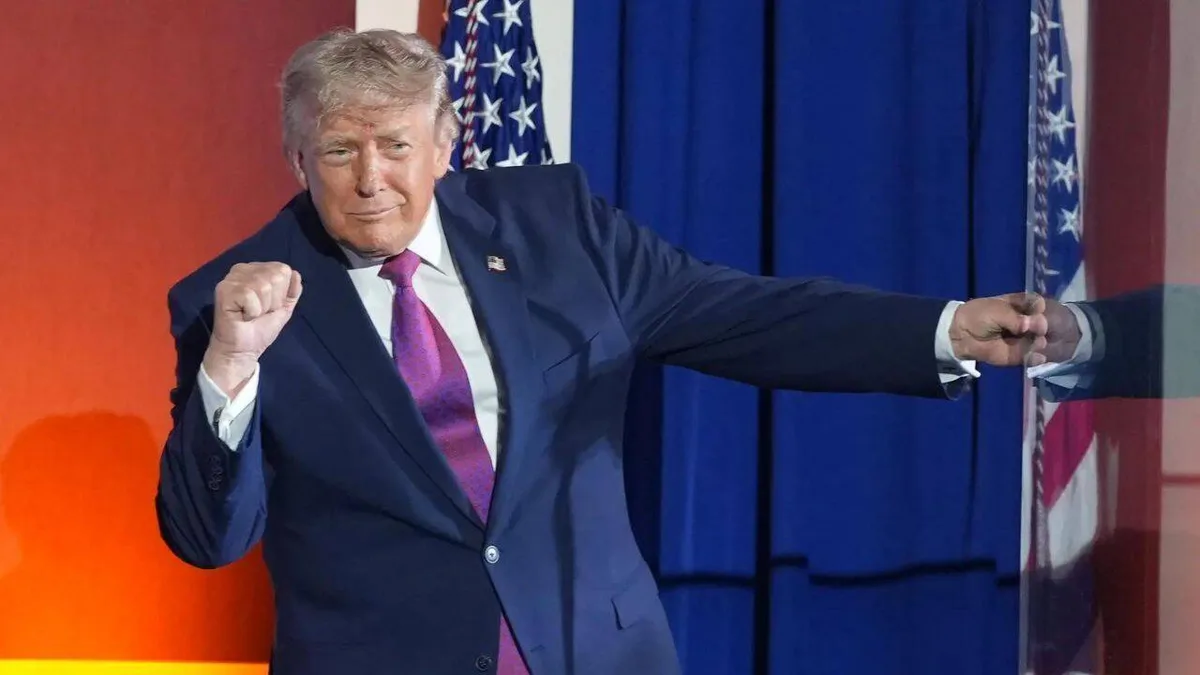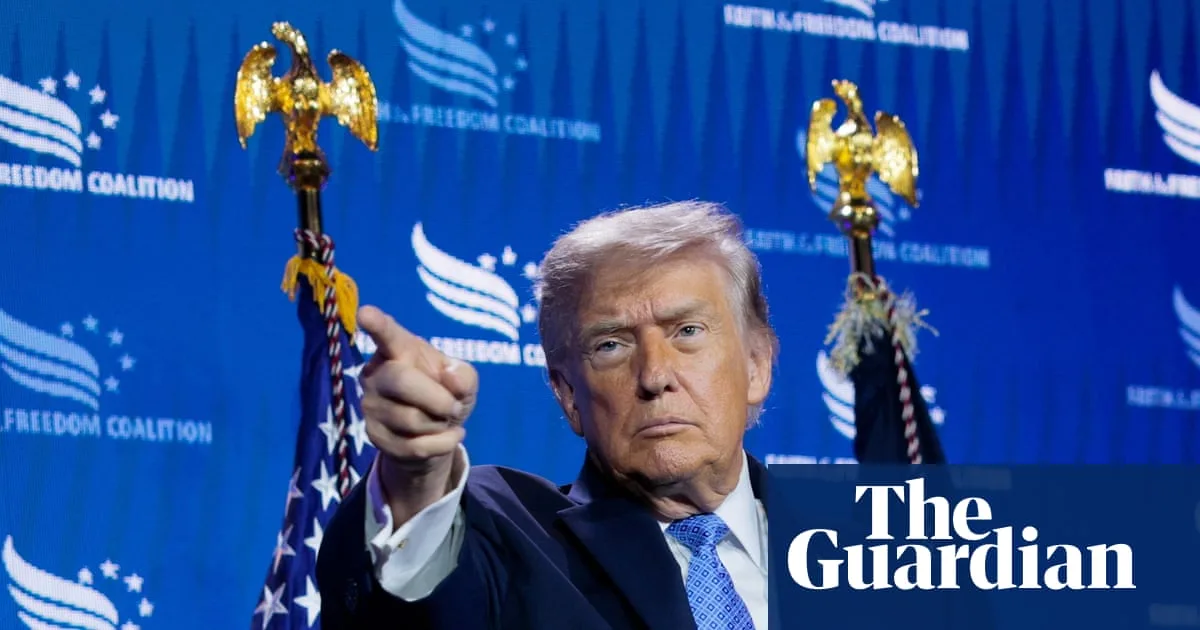
Donald Trump has escalated his rhetoric against Democrats, branding them as communists in an effort to energize Republican voters ahead of the November 2026 midterm elections [1, 2, 3]. Between June 23 and July 6, 2026, Trump publicly invoked "communism" 81 times, reacting to democratic socialist primary victories in New York and other states [3].
On July 4, Trump delivered a speech at Mount Rushmore during the United States' 250th anniversary celebration. He condemned communism as "death, tyranny, and the pursuit of evil," saying, "Communism is the exact opposite of life, liberty and the pursuit of happiness ... The godless communist morality states that anything is justified to bring about inhuman visions ... They don’t want good. They don’t love God and they don’t want God. They don’t love religion and they don’t want religion, and they won’t have it, but we will not let them win" [1, 3].
Trump has frequently used Cold War and McCarthy-era language. He calls Democrats a "red menace" and "hardcore, godless communists" who threaten the American way of life [1, 2, 3]. His messaging conflates democratic socialism with communism, despite democratic socialism functioning within elections and a market economy [1, 2, 3].
Republican strategists see the anti-communist theme as a way to shift attention from economic challenges. Amy Koch, a GOP strategist, noted generational differences, saying, "I just don't think that communism means the same for anybody under 55" [3]. Partisan analysts like Tufts University professor Daniel Drezner say Republicans are aiming "to paint the opposition party as even more extreme" ahead of the midterms [2].
Behind the scenes, Trump’s aides have tested the rhetoric with focus groups. They found it energizes the Republican base but resonates less with independents and younger voters [3].
On July 6, Trump marked his closeness to state power by opening the trading day with a bell-ringing ceremony from the Oval Office [1]. Despite his anti-communist stance, the Trump administration has increased government ownership stakes in private companies. The US government holds 9.9% of Intel Corporation, with additional warrants to raise this by 5%, and owns 15% of rare earth producer MP Materials and 5% of Lithium Americas [1].
The anti-communist rhetoric has become central in Republican messaging heading into the 2026 midterms as the party aims to frame the election as a battle against left-wing extremism.