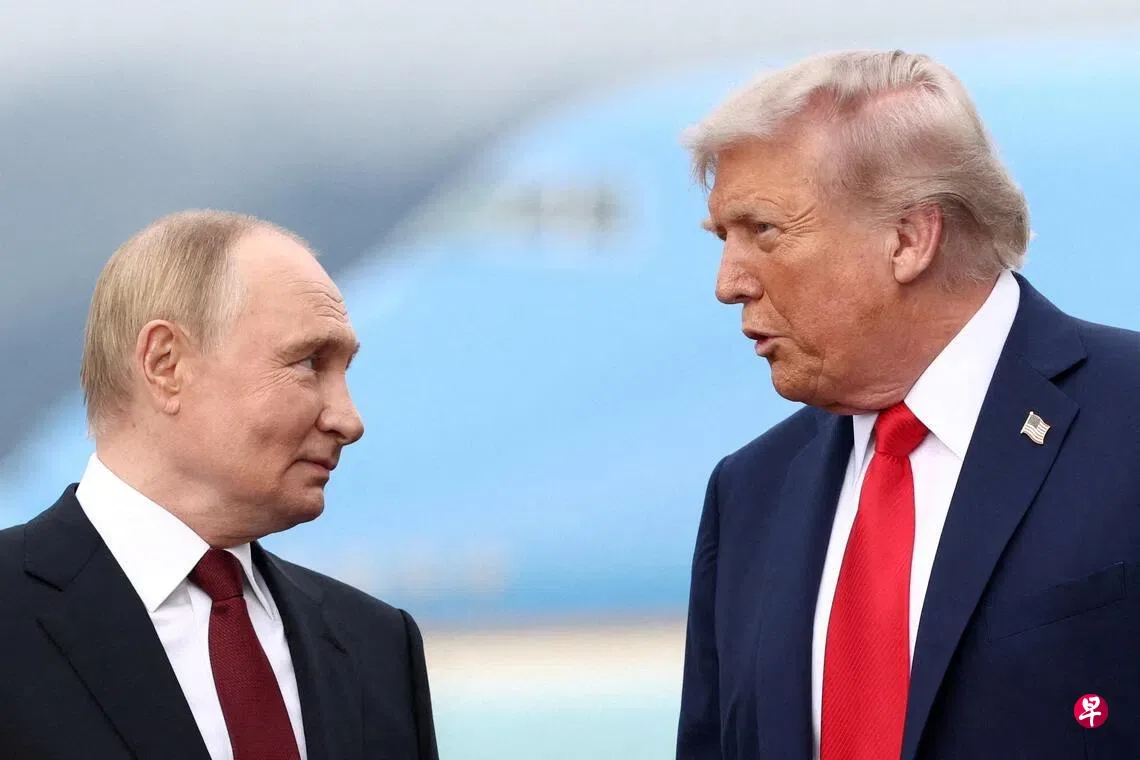
On June 14, Russian President Vladimir Putin and former US President Donald Trump held a 55-minute phone call to discuss the Russia-Ukraine war, a potential US-Iran agreement, and Ukrainian attacks on Russian civilian infrastructure [1, 2, 3, 4, 5, 6]. On the same day, Ukrainian President Volodymyr Zelensky spoke separately with Trump for 30 to 35 minutes, exchanging birthday wishes and covering war, peace, and diplomatic matters [2, 3, 4, 6].
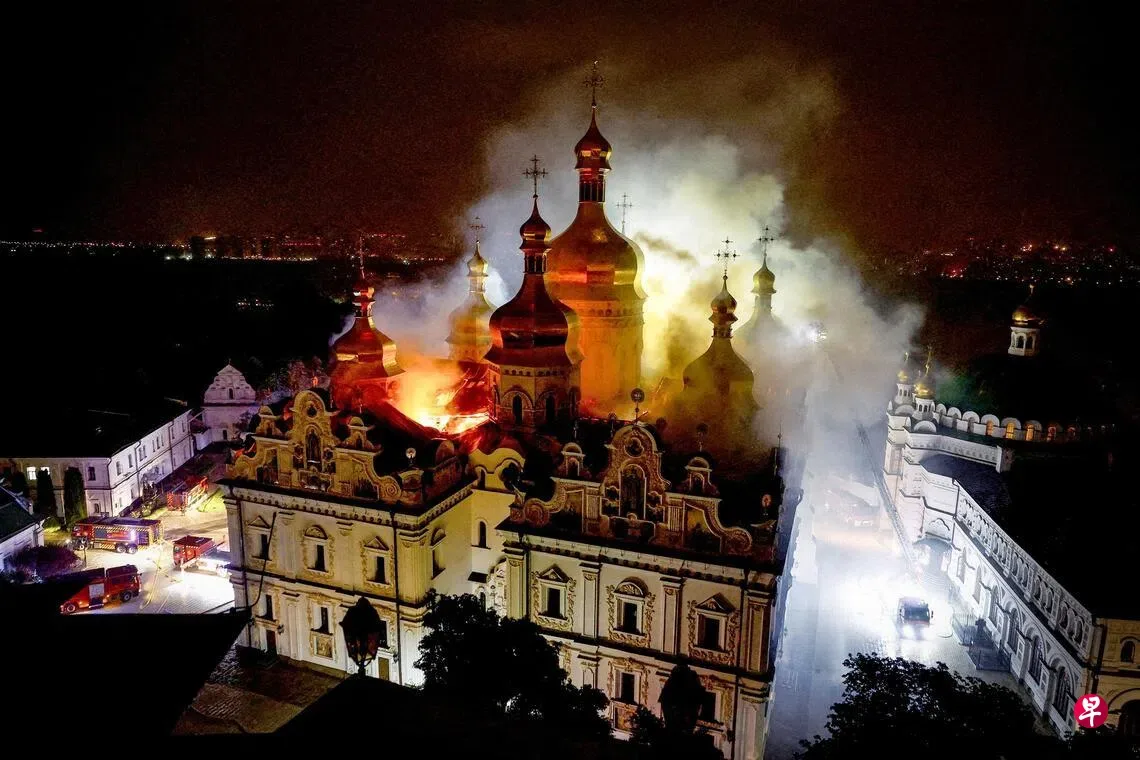
Over the nights of June 14 and 15, Russia launched missile and drone strikes on several Ukrainian cities including Kyiv and Kharkiv, damaging Kyiv-Pechersk Lavra monastery, a UNESCO World Heritage site. At least 11 people were killed in these attacks. Ukraine responded with strikes on a Russian city south of Moscow, causing three deaths [2, 7, 8, 9]. Russia denied targeting the monastery, blaming a malfunctioning US Patriot missile fired by Ukraine [2]. Zelensky called the monastery attack "one of the most serious crimes against Christian culture by Russia to date" [2].
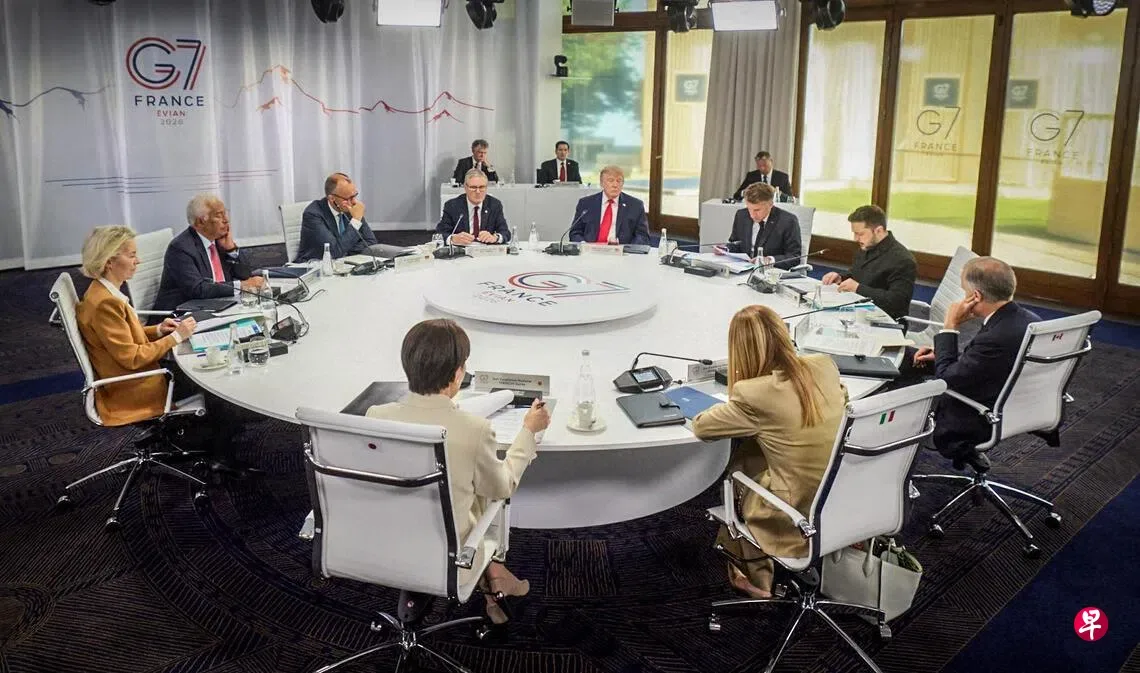
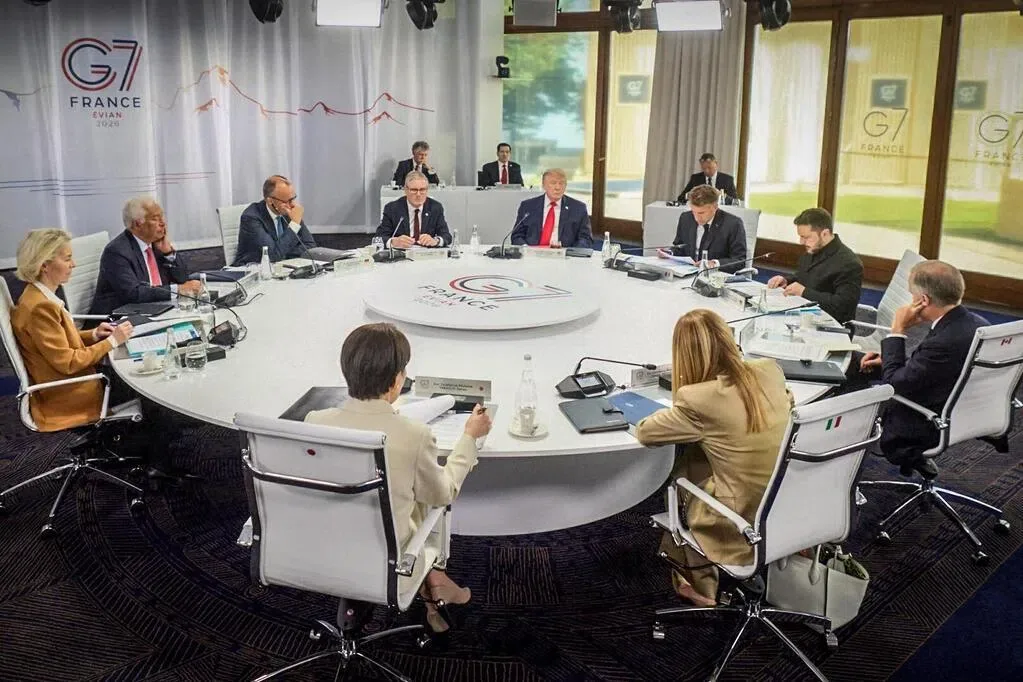
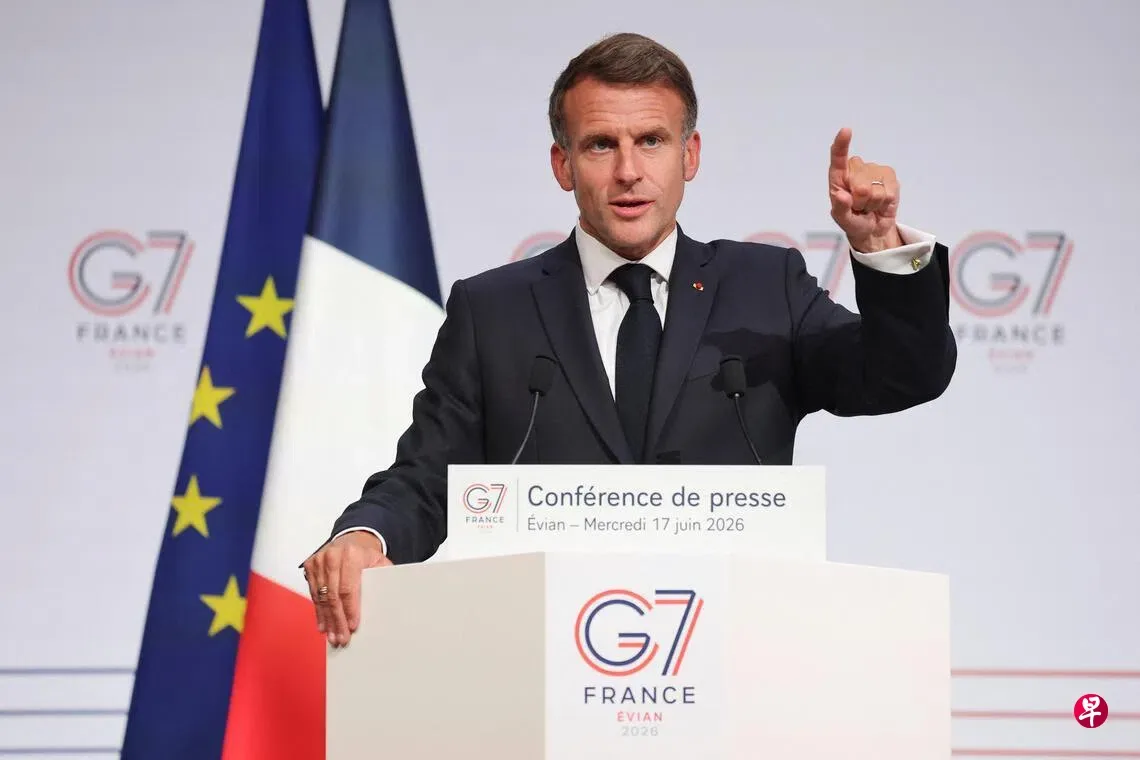
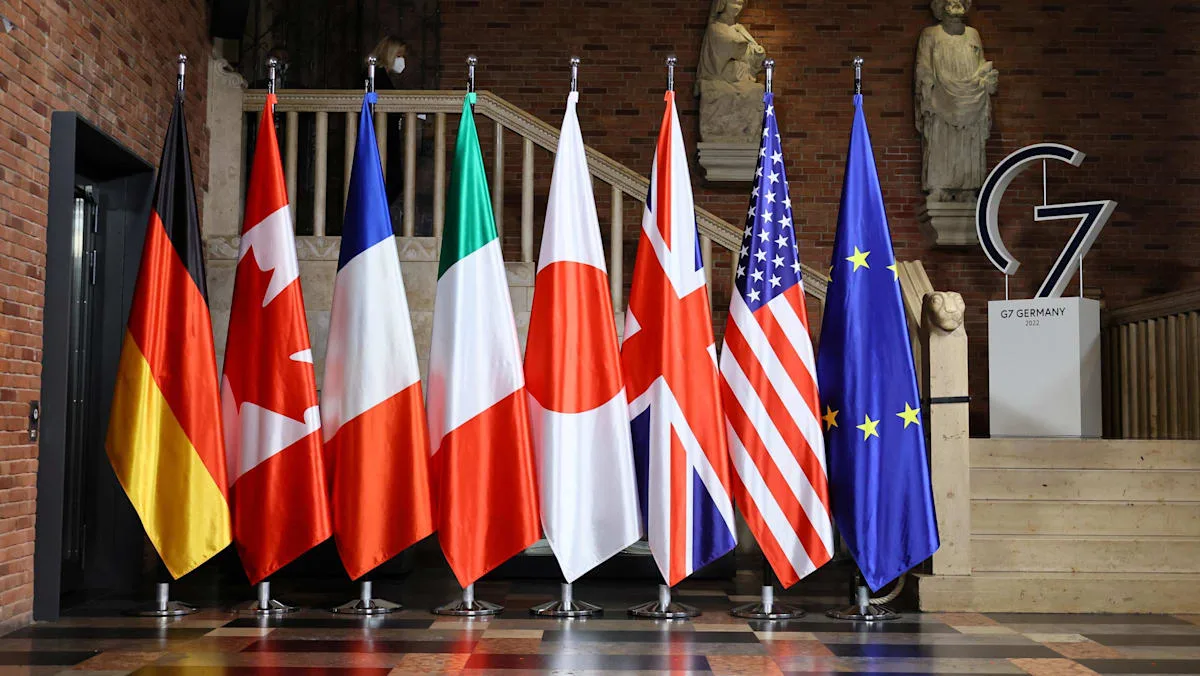
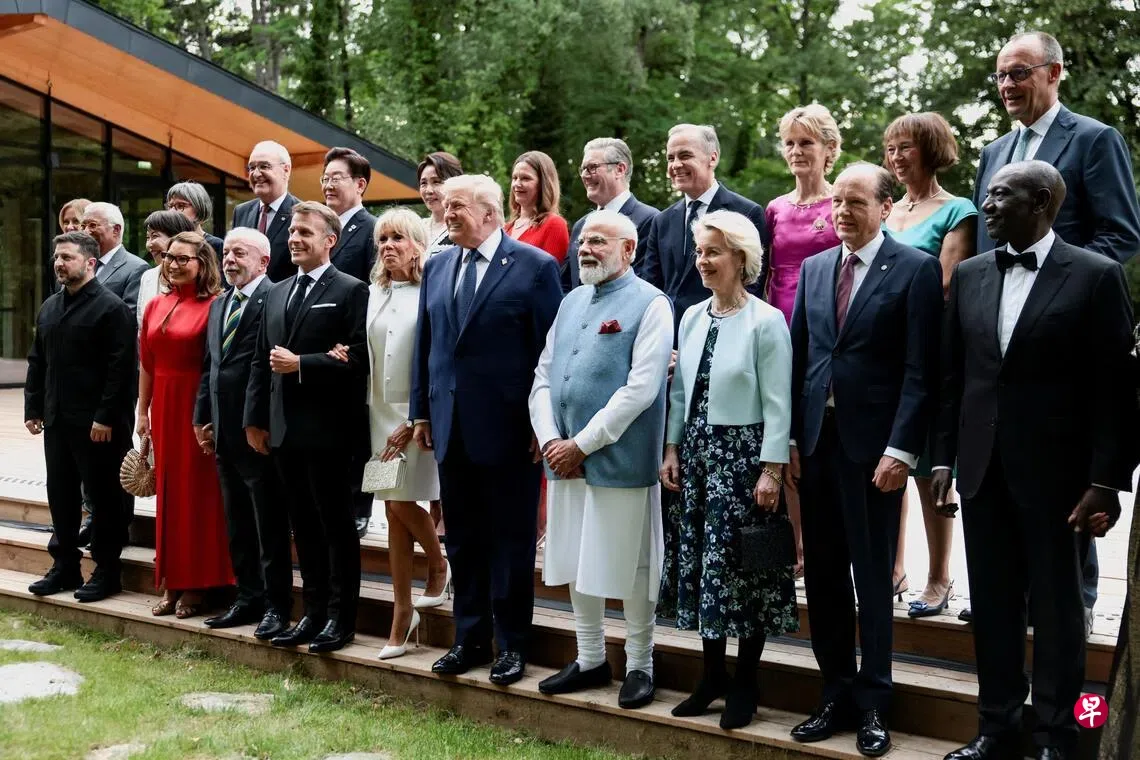
The G7 summit took place from June 15 to June 17 in Evian, France. It focused heavily on the Russia-Ukraine conflict, sanctions on Russia, and US-Iran talks [7, 10, 8, 9]. Trump expressed readiness to help end the war, emphasizing the need to stop hostilities and collaborate with European partners and Kyiv. He said, "Admit the whole thing is ridiculous. So, yeah, I’m going to do whatever I can. Russia should make a deal" [1, 2, 7, 9, 5].
On June 16 at the summit, Zelensky and Trump met to discuss deepening peace efforts. Zelensky proposed Trump coordinate a meeting between him and Putin in the US to advance peace talks. However, Putin either declined or was not ready for such a meeting [7, 11, 12]. Zelensky said, "We discussed measures to help achieve peace, and I informed the president of the latest developments on the battlefield and the consolidation of Ukrainian positions. We agreed to have deeper discussions during the G7 summit" [2].
G7 leaders agreed to increase sanctions and military aid to Ukraine, focusing on defense systems and restricting Russian economic activities in oil and gas sectors. They also welcomed a preliminary US-Iran deal and planned a multinational coalition to secure the Strait of Hormuz, expected to reopen by June 19 [8]. French President Emmanuel Macron said the summit was successful, noting "Ukraine is advancing and resisting, while Russia is retreating. The US President Trump and other leaders acknowledge that Russia does not want to end the war with Ukraine" [10].
On June 15, the EU began the first round of negotiations for Ukraine and Moldova's accession, focusing on judicial and democratic reforms, though accession is expected to be a long process [7].
Next steps include the multinational coalition securing the Strait of Hormuz aimed for June 19 and ongoing diplomatic discussions among leaders at the G7 for further peace efforts in the Russia-Ukraine conflict.