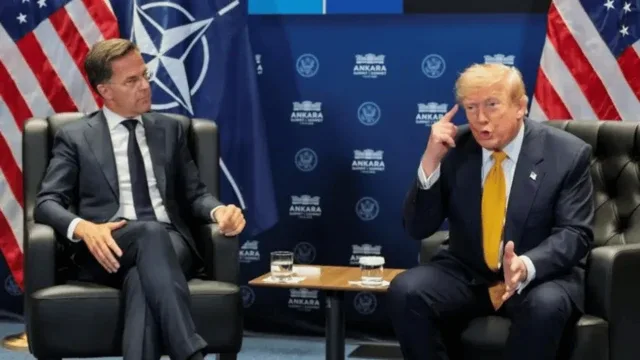
At the recent NATO summit in Turkey, former US President Donald Trump sharply criticized Iran, calling them "scum" and asserting they would use nuclear weapons if they had them. He said, "I don't want to deal with them anymore, they're scum. You know what scum is? They're scum. They're sick people. They're led by sick people. And they're vicious, violent people. And if they had a nuclear weapon, they'd use it. As far as I'm concerned, it's over" [1]. Trump also indicated continued military pressure, stating, "We'll probably hit them harder again tonight. I gave them a little warning. We're going to hit them hard again tonight" [1]. He described Iran’s leadership as "a bunch of lying guys" and expressed frustration with his chief negotiators Steve Witkoff and Jared Kushner, saying, "I don't care, they can talk. But I think they're wasting their time" [1].
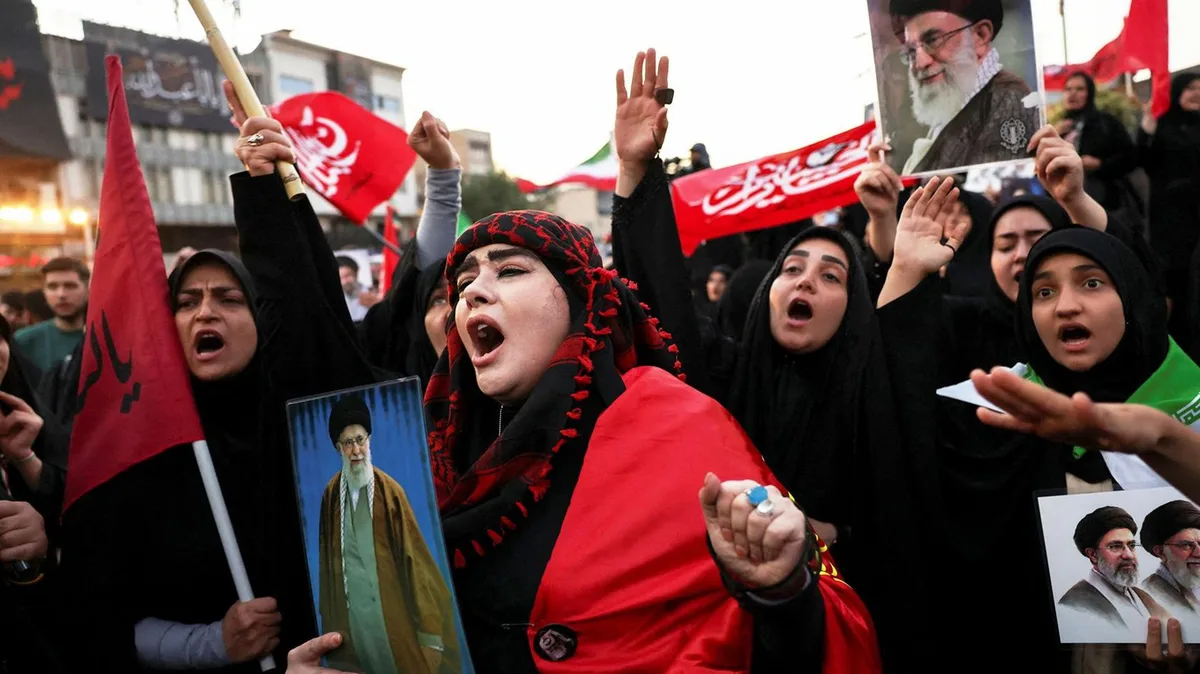
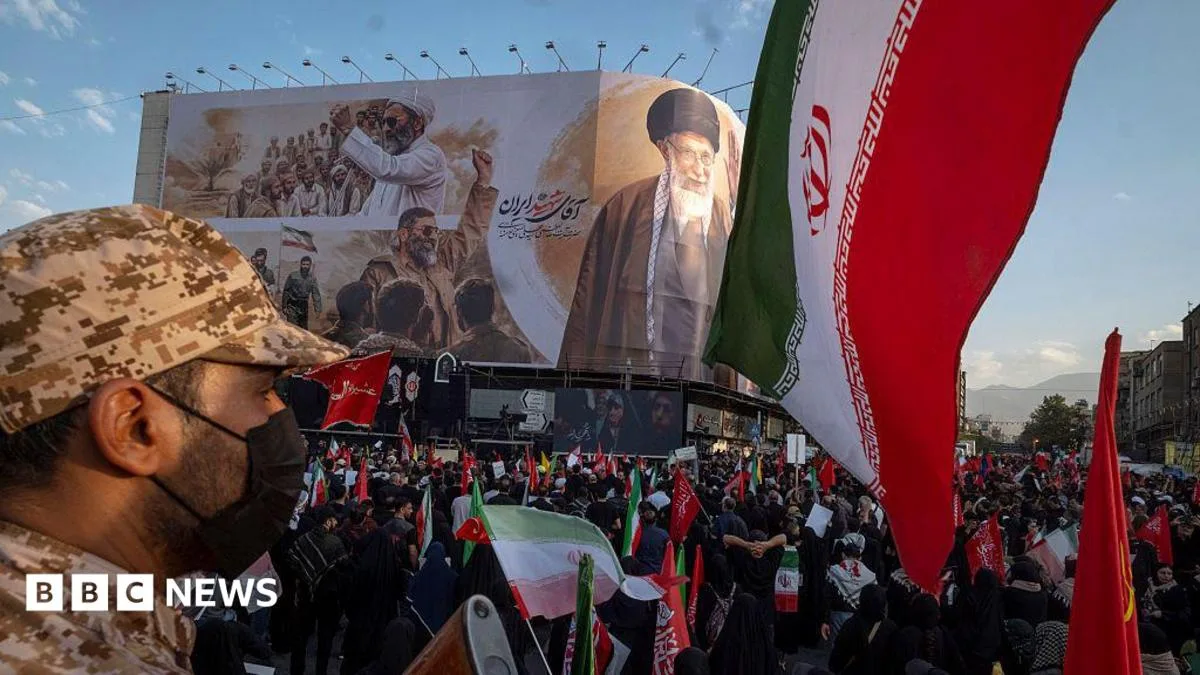
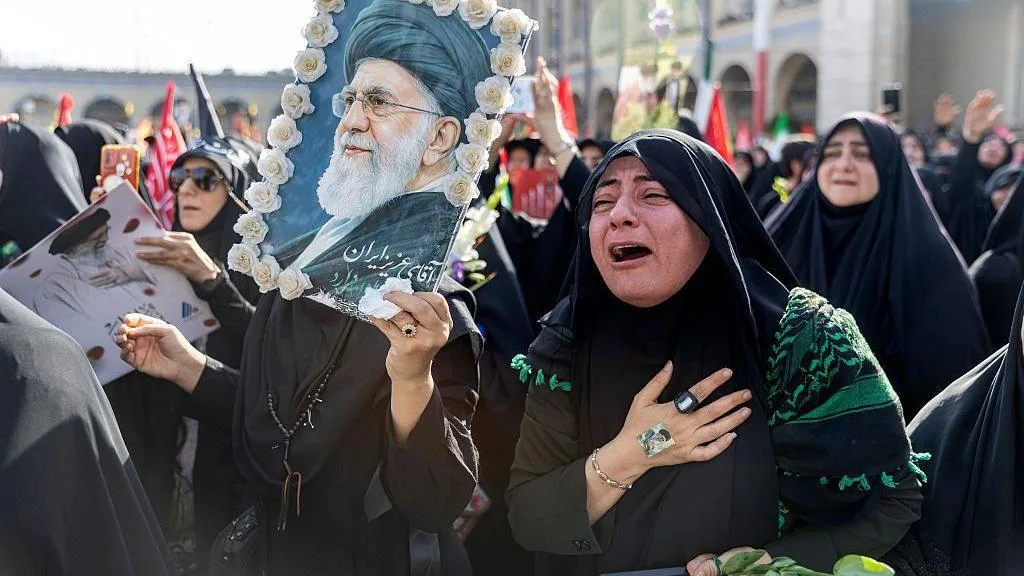
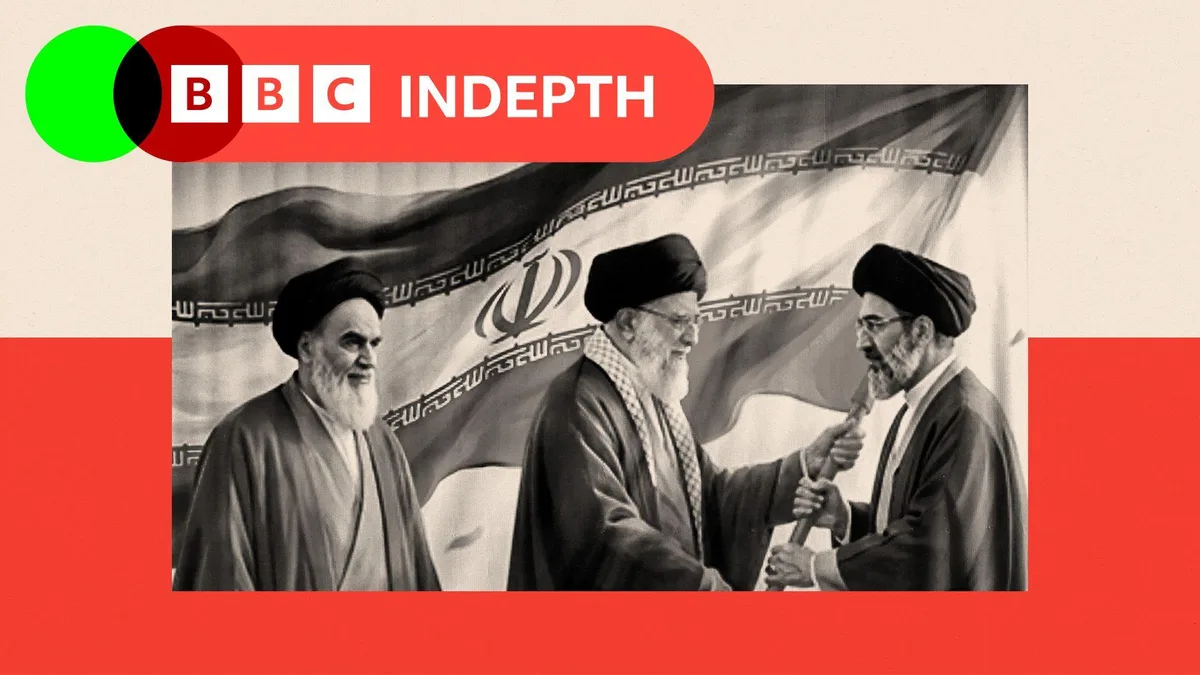
Despite his aggressive rhetoric, Trump acknowledged that the US currently has no better option than negotiations with Iran, which he described as fragile and temporarily paused. Talks were interrupted due to mourning for Iran’s former supreme leader Ali Khamenei, who was killed on February 28, the first day of the ongoing war, by Israeli and US forces [1, 2, 3].
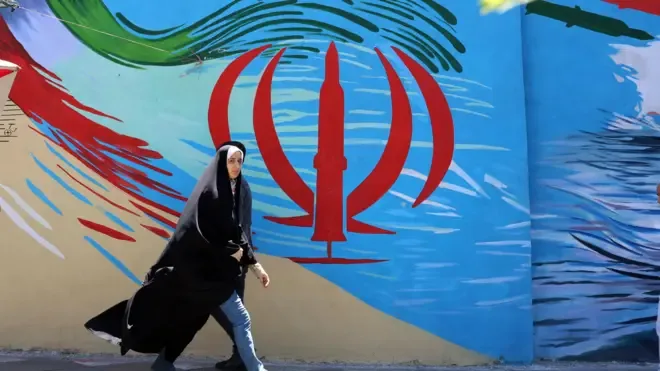
Iran has made clear it is determined to maintain control over navigation through the Strait of Hormuz, a key strategic chokepoint that handles approximately 20% of the world’s oil and gas supply [2, 3]. Tehran is willing to risk the memorandum of understanding (MOU) on the strait’s status to defend its control, signaling its unwillingness to revert to conditions before the conflict began [2, 3].
Negotiation mediators described the current atmosphere as "very tense" and called recent developments "a setback for sure" [1]. Trump’s comments underscore the high stakes and hostility amid an unstable negotiation framework.
The killing of Ali Khamenei on February 28 remains a critical event shaping the present crisis. The fragile talks and ongoing regional tensions continue to affect US-Iran relations and broader Middle East stability [1, 2, 3].