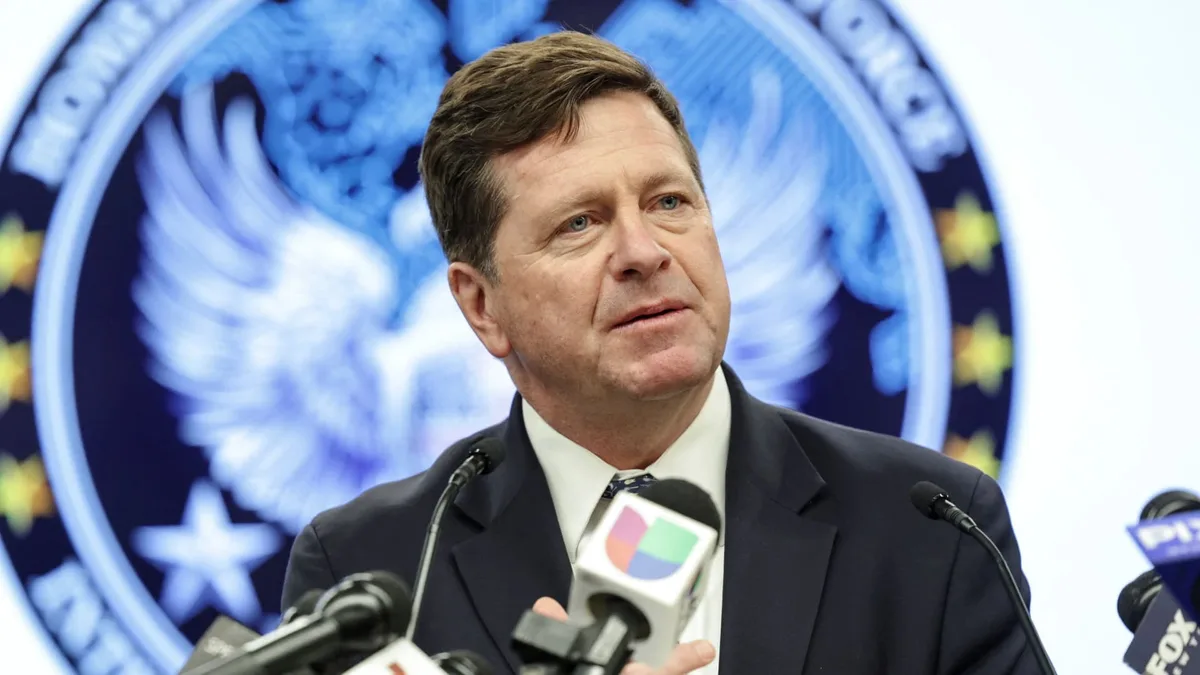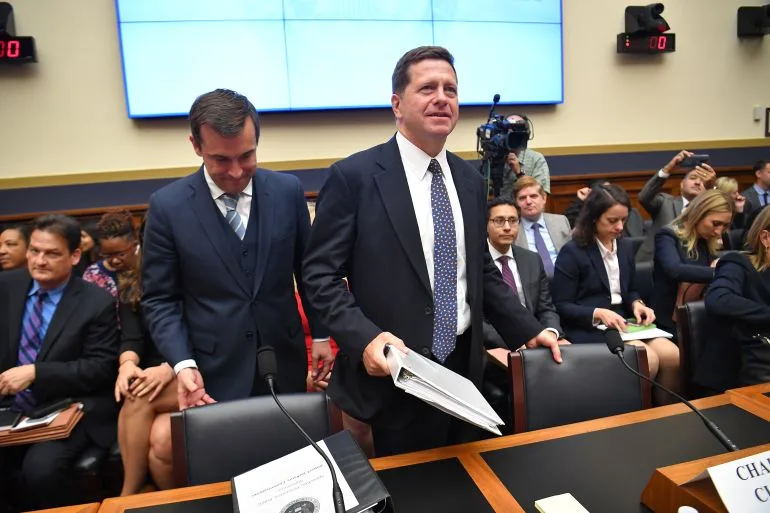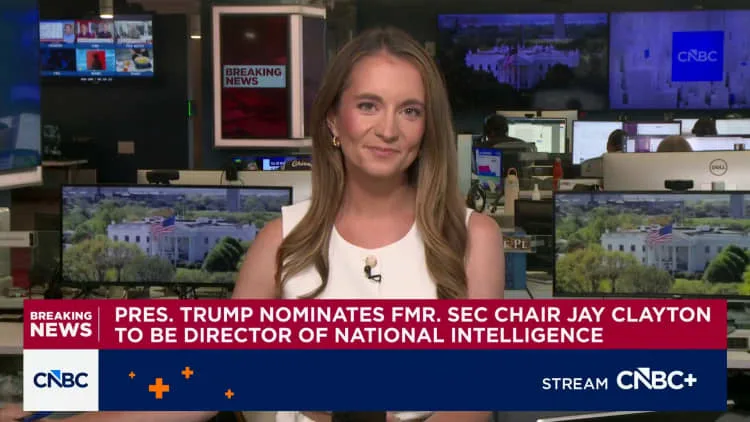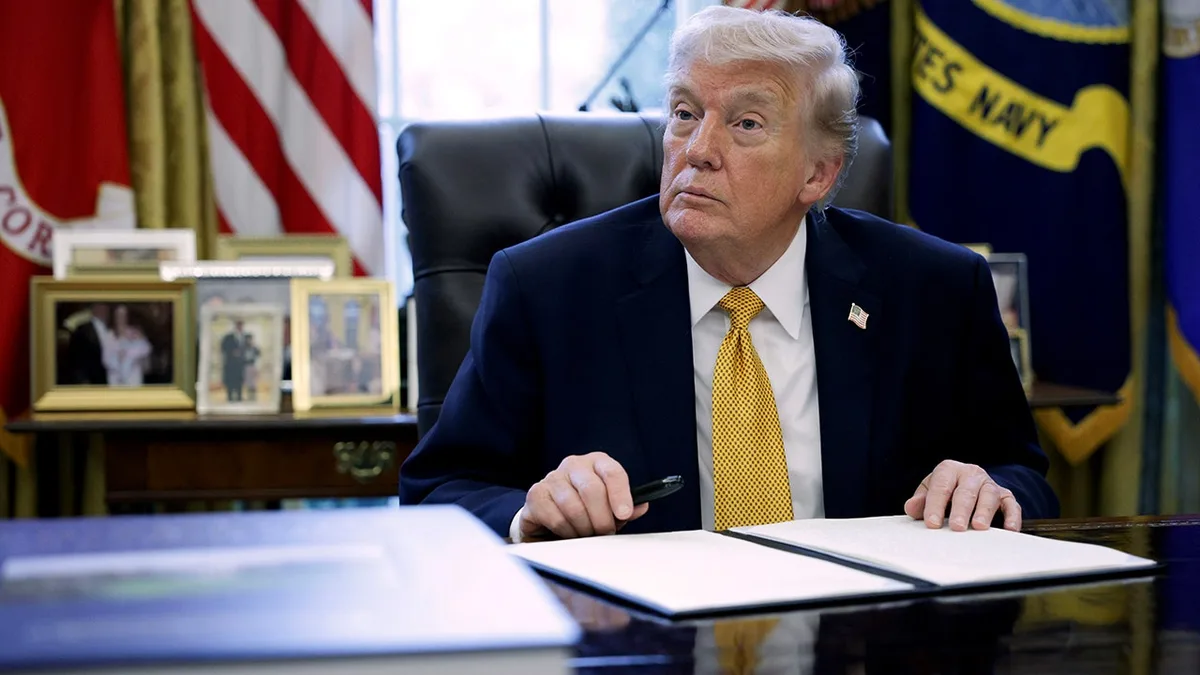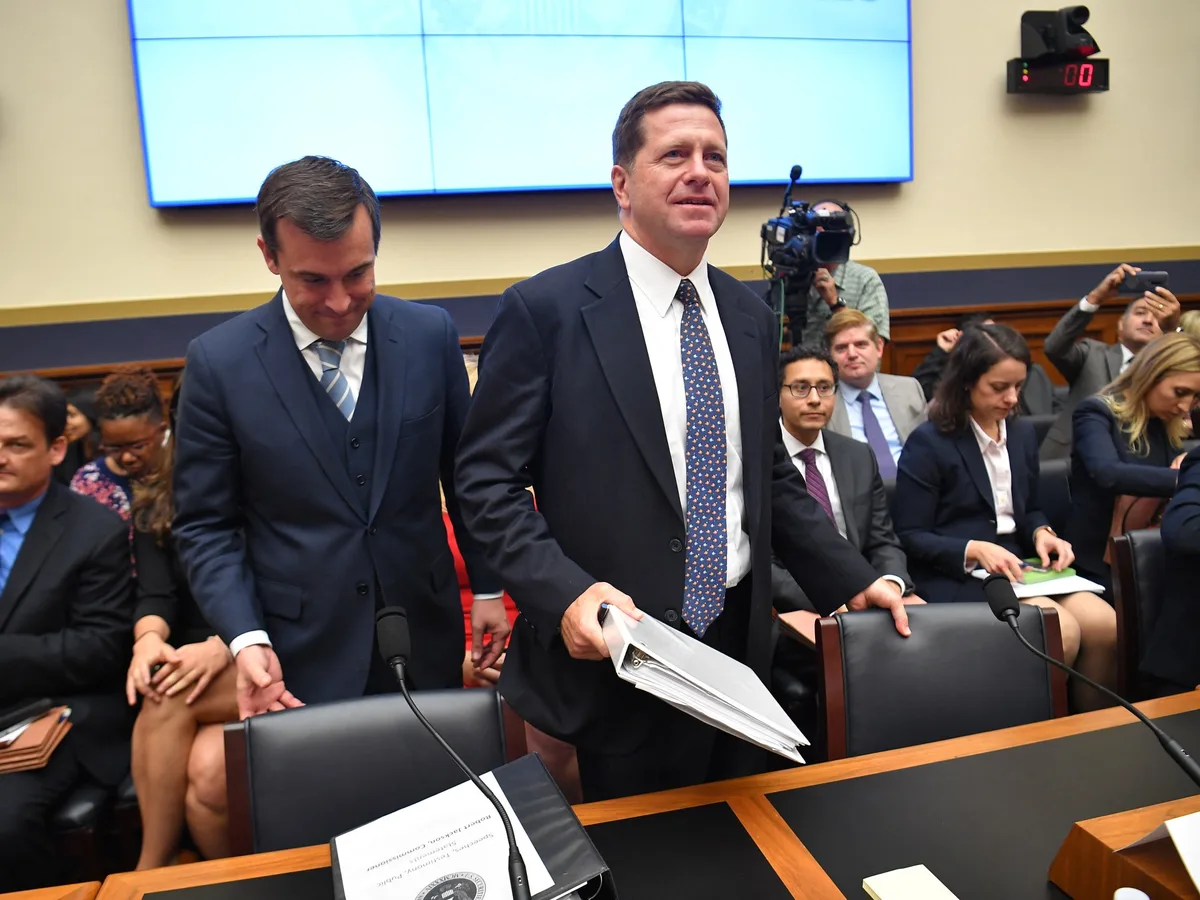
President Donald Trump announced today the nomination of Jay Clayton as the next permanent Director of National Intelligence (DNI). Clayton, a former chairman of the Securities and Exchange Commission and current U.S. Attorney for the Southern District of New York, now requires Senate confirmation to assume the post [1, 2, 3, 4, 5, 6, 7].
Trump praised Clayton, calling him "very Highly Respected" and noting his leadership of the prominent law firm Sullivan & Cromwell. The president urged the Senate to approve Clayton "as soon as possible," highlighting his stature in the legal community [2, 5].
Clayton will replace acting DNI Bill Pulte, who is scheduled to begin his tenure as acting director on June 19. Pulte, the former head of the Federal Housing Finance Agency, has no prior intelligence or military experience, and he will lead until Clayton is confirmed [1, 2, 3, 4, 5, 6, 7].
Tulsi Gabbard, the current DNI, is set to resign effective June 30, ending her tenure in the role. The transition timeline places Pulte as acting DNI for approximately 11 days before Clayton's potential confirmation [2, 6, 7].
Meanwhile, the House of Representatives failed to pass a short-term extension of Section 702 of the Foreign Intelligence Surveillance Act. The vote was defeated 198-218, with opposition from 199 Democrats and 19 Republicans. Speaker Mike Johnson criticized Democrats for using the voting process "as a political hostage," stating Republicans did "everything within our power" to prevent the expiration of Section 702 [1, 2, 5, 6].
Trump's nomination comes amid a narrowly divided Senate, where Republicans hold 53 of 100 seats. Clayton's confirmation will be considered by this body, with the administration pushing for a swift approval [2].
Bill Pulte can serve as acting DNI without Senate confirmation for up to 210 days, providing a temporary bridge before Clayton may be confirmed or an alternative selected [2].