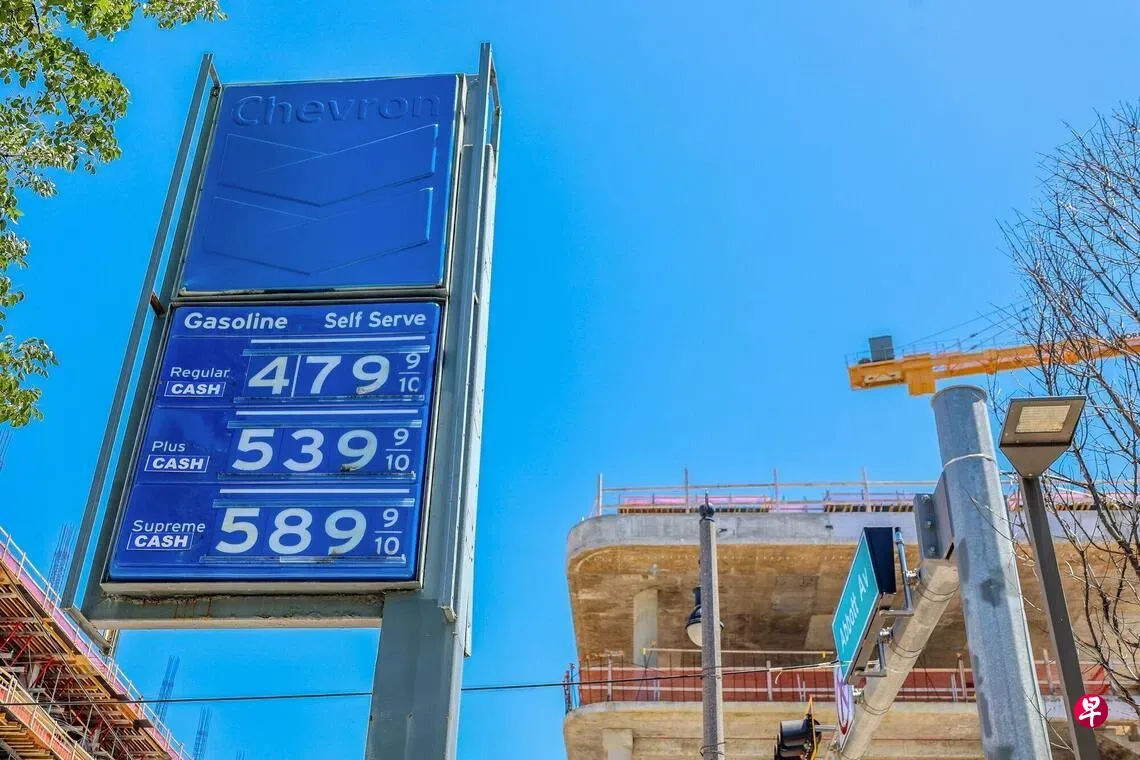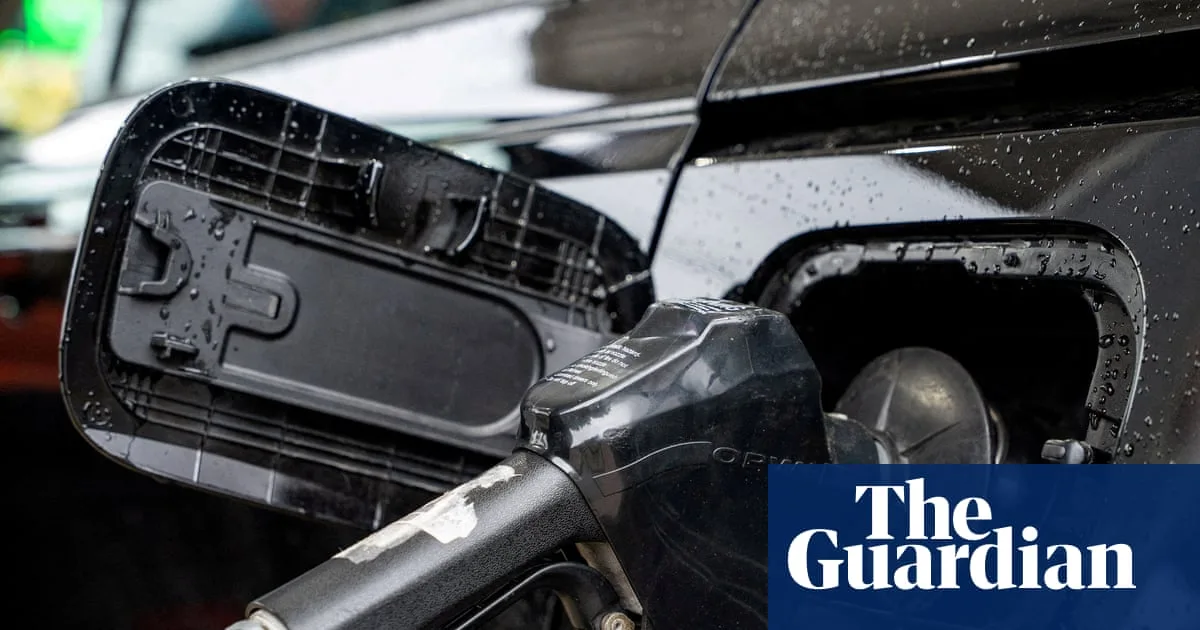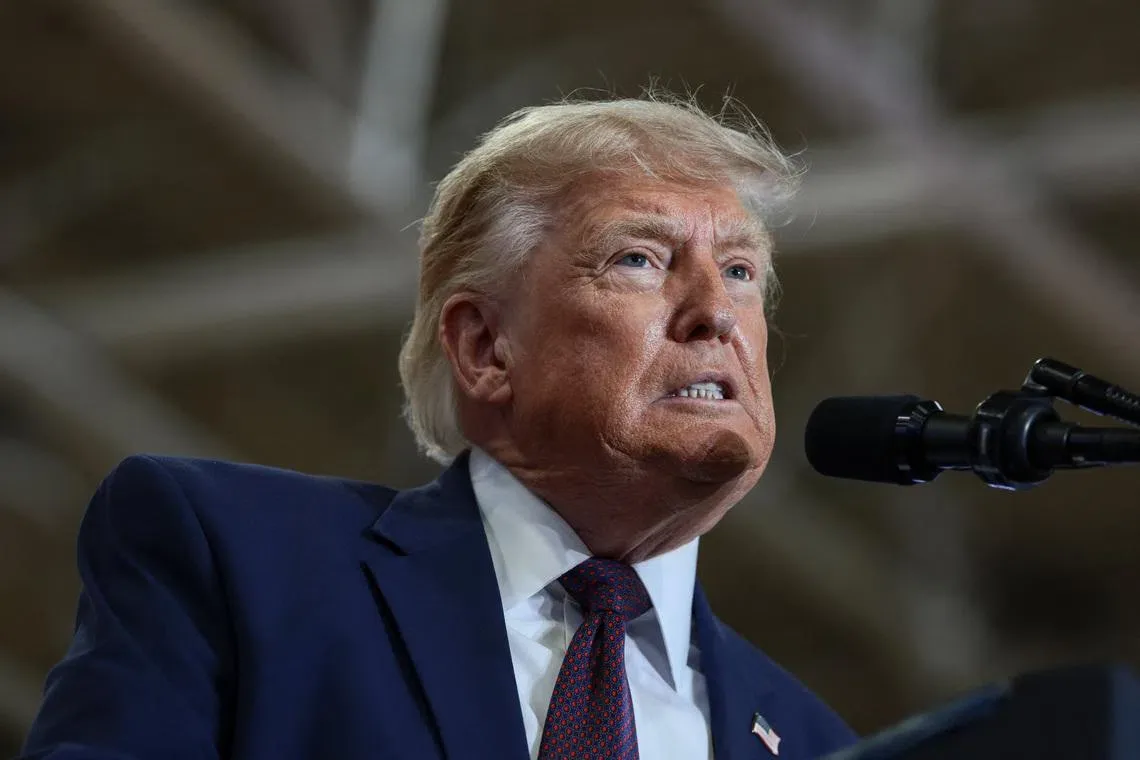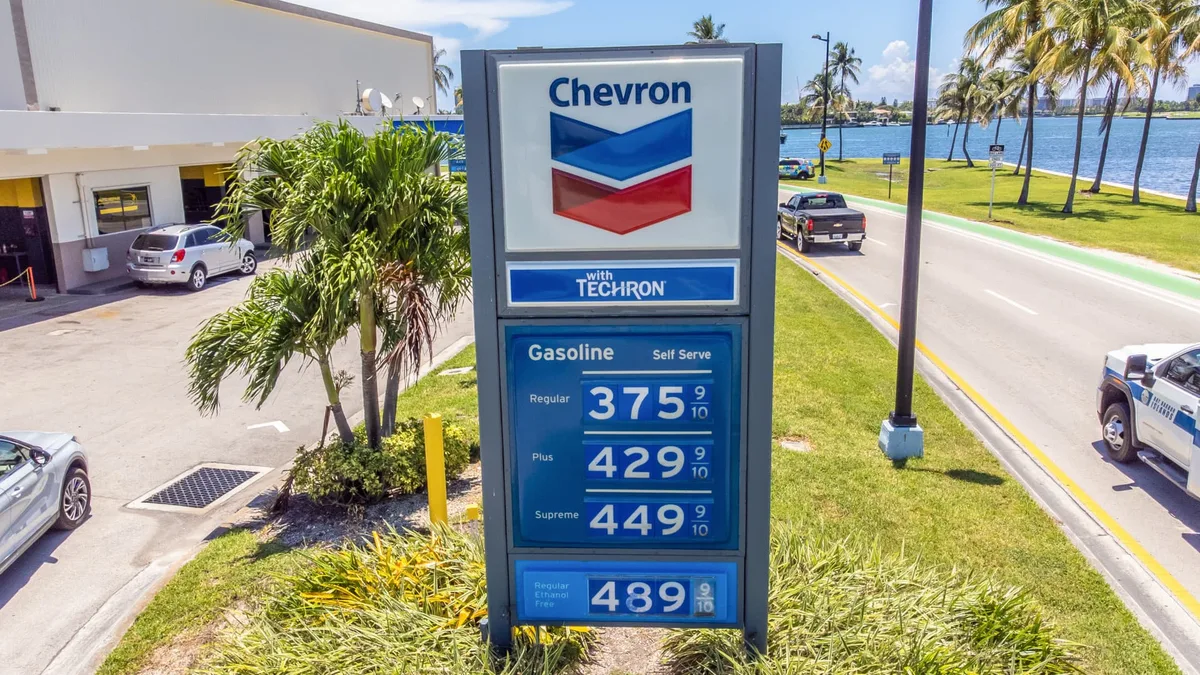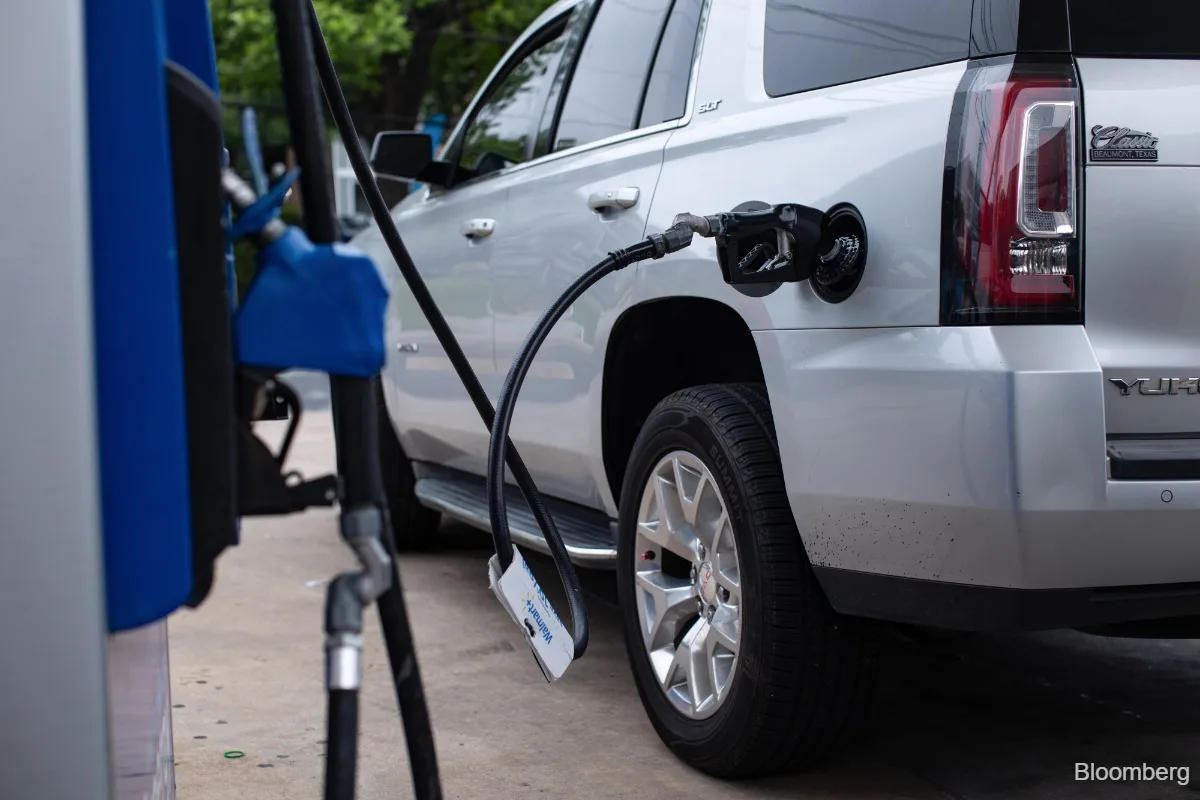
President Donald Trump ordered the Department of Justice to investigate whether major oil companies are failing to lower gasoline prices in line with recent sharp drops in crude oil prices. Trump accused oil firms of "price gouging" consumers by not passing on the declines at the pump, posting on Truth Social on June 23-24 that "customers are being ‘gouged’" as crude prices fall sharply but gas prices remain high [1, 2, 3, 4, 5, 6].
The DOJ probe targets big names including Chevron, ExxonMobil, Shell, and BP, which Trump named specifically in his criticism [7]. He warned, "Gasoline prices better start going down a lot faster than what I’m seeing!" [1, 3].
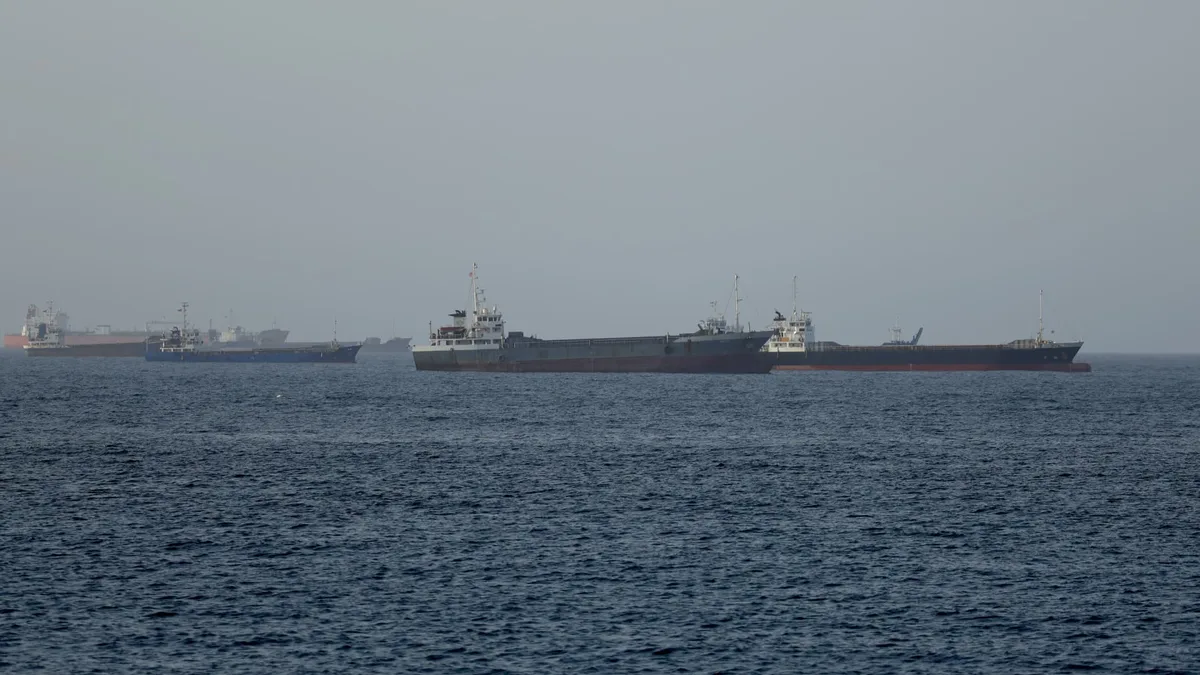
Oil prices have fallen below $75 per barrel following an interim peace deal between the US and Iran and the reopening of the Strait of Hormuz. This eased supply worries, contributing to the crude price drop [1, 3, 4, 5, 6]. On June 23-24, the US average gasoline price stood at about $3.93 per gallon, down from a May peak near $4.56 but still above pre-war levels [2, 3, 5, 8, 6].
Trump has predicted fuel prices would "come down like a rock" after the Middle East conflict ends, but economists say it could take months to return to pre-war prices [2, 3, 9, 10, 8]. Chevron's CFO Eimear Bonner responded June 24 that energy companies are working to lower prices but acknowledged a natural lag between crude price drops and pump price falls. Bonner told CNBC, "There is a lag between oil prices and reductions in oil prices and when that shows up at the pump, but we expect that prices will come down as things continue to normalize" [7].
Some analysts and experts say Trump’s price gouging claims oversimplify how gasoline prices are set amid taxes, refining times, and regional differences. Karen Young of Columbia University said, "That's not really how gasoline prices work in the U.S. There are state and local taxes... It really is up to refiners, and it takes a couple of weeks before crude prices drop, then prices at refineries, and then eventually consumers can respond" [4]. Some view Trump’s accusations as political theater ahead of the November midterms [4, 11].
Gasoline prices remain politically sensitive in the US as the midterm elections approach. The Justice Department investigation ordered by Trump began shortly after his Truth Social posts on June 23 [1, 12, 2, 3, 4, 9, 10, 5, 6]. On June 24, the US and Iran agreed to a 60-day ceasefire, reopening the Strait of Hormuz to oil tanker traffic, which helped ease crude supply concerns [3, 4, 5, 6].