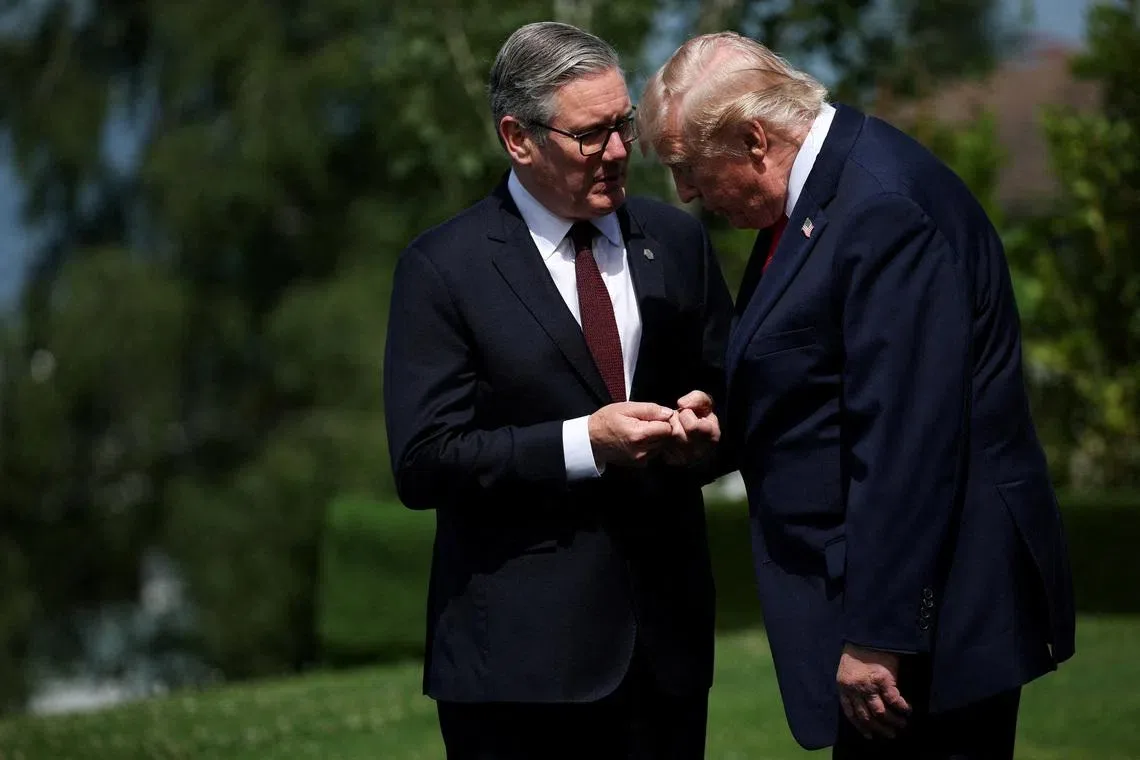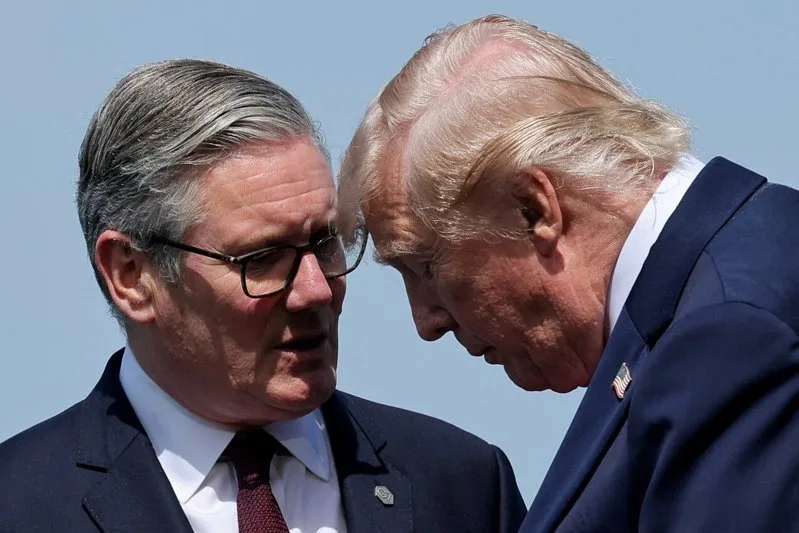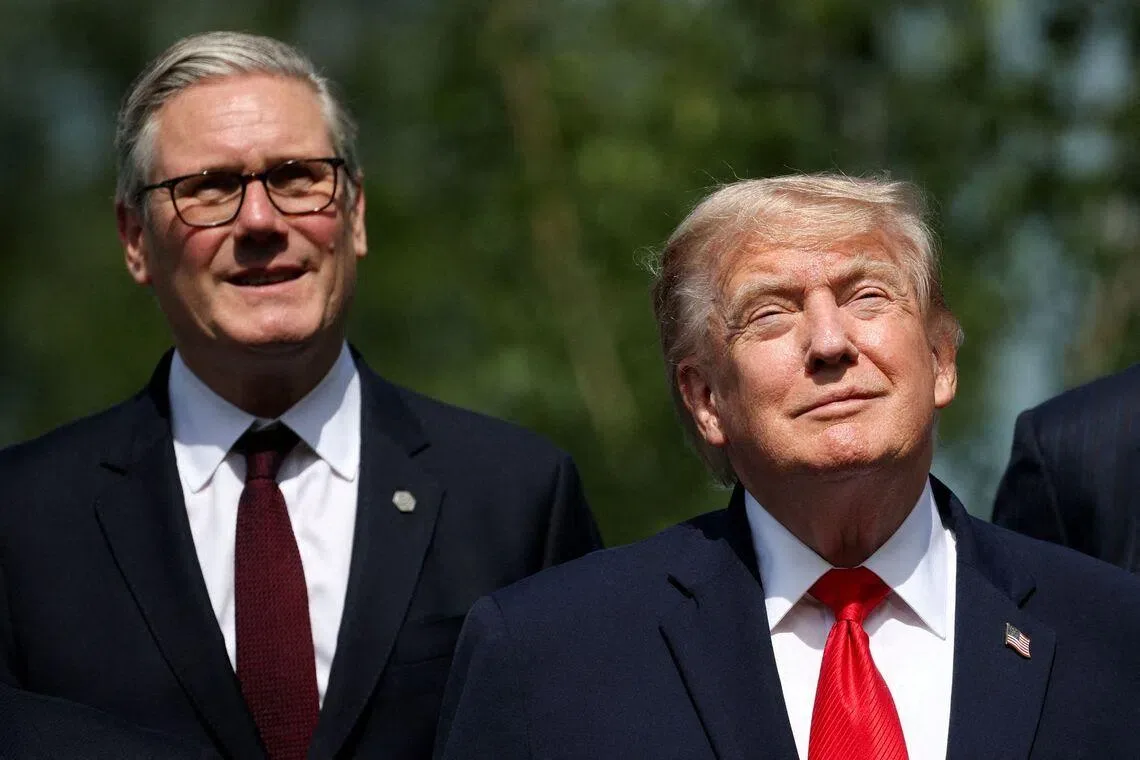
UK Prime Minister Keir Starmer announced on June 22, 2026, that he will resign as Labour Party leader but remain prime minister to ensure an orderly transition [1, 2]. The move came after growing pressure within his party following poor local election results, an economic slowdown, cost-of-living challenges, and internal disagreements [1, 3, 4].
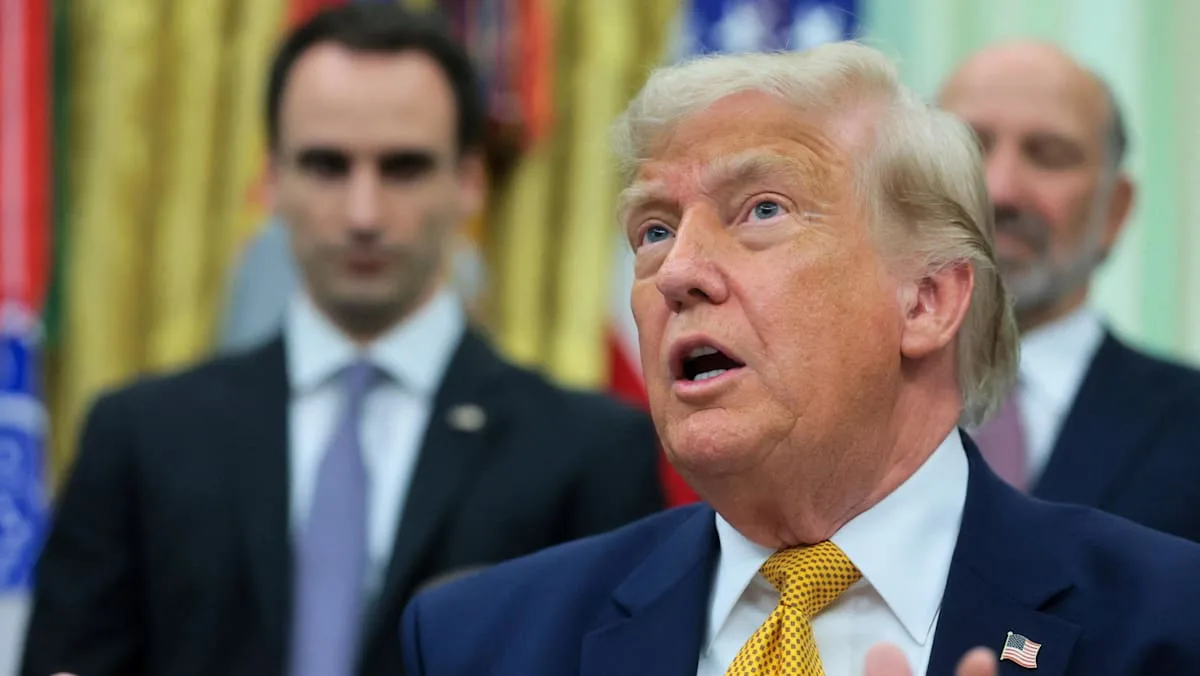
Starmer faces sharp criticism from former US President Donald Trump, who had predicted Starmer’s resignation on June 21, calling him out for failures on immigration and energy policies. Trump urged the UK to open North Sea oil fields, accusing Starmer of harming the country’s energy independence for environmental reasons [5, 6, 4, 7, 8, 9, 3, 10]. Trump said, "Keir Starmer will resign as Prime Minister of The United Kingdom. He failed badly on two very important subjects- IMMIGRATION AND ENERGY (OPEN NORTH SEA OIL!). I wish him well!" [5].
Trump also faulted Starmer’s handling of UK-US relations, specifically delays in approving US military use of the RAF Akrotiri base in Cyprus for strikes against Iran. "He said we can't use the island to land. That was a first. That was a bad move that hurt him badly," Trump said [1, 10, 2]. Despite the attacks, Trump added he thinks Starmer is a "lovely man" but stressed his weaknesses on energy, immigration, and crime [1].
The UK government and Downing Street have not formally confirmed Starmer's resignation, citing his statement just days earlier on June 19 that he "will continue to serve the country and have much work to do" [3]. Starmer’s announcement appears to reconcile these statements by stepping down as party leader while remaining in office for a transitional period.
Veteran Labour politician Andy Burnham, 56, is widely expected to succeed Starmer as prime minister if the transition proceeds. If Burnham becomes leader, he would be the seventh UK prime minister in the last decade, underscoring the political instability within the ruling party [1, 3, 2].
The transition timeline and Burnham’s formal ascension remain to be confirmed by Labour and Downing Street.
Starmer’s resignation and party leadership handover mark a significant turning point for UK politics amid domestic challenges and international scrutiny.