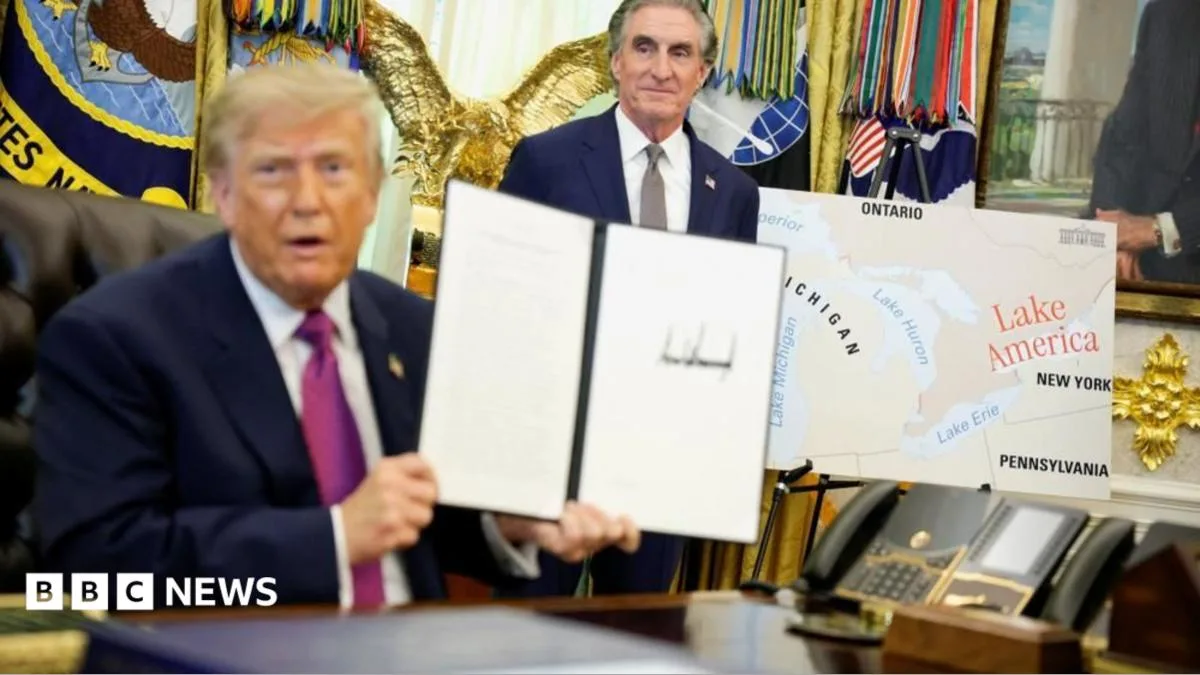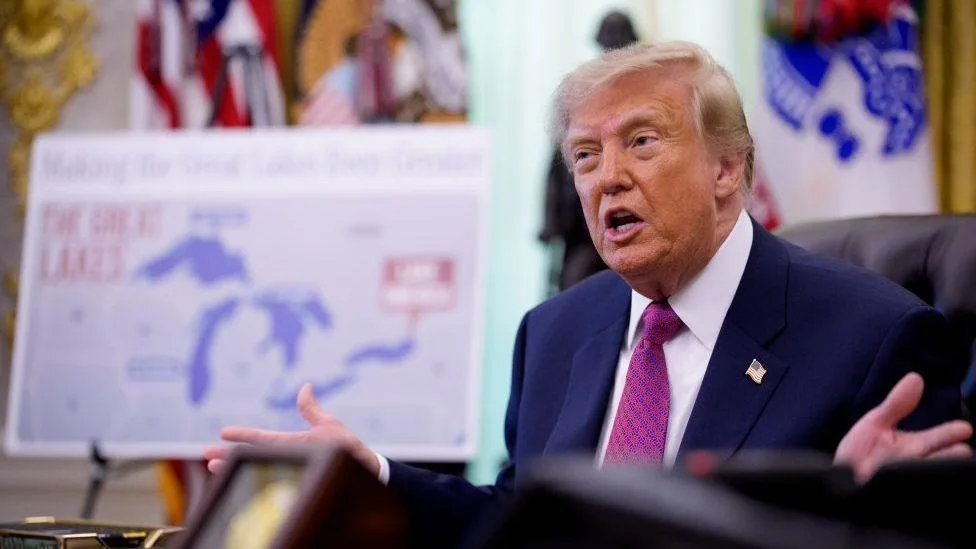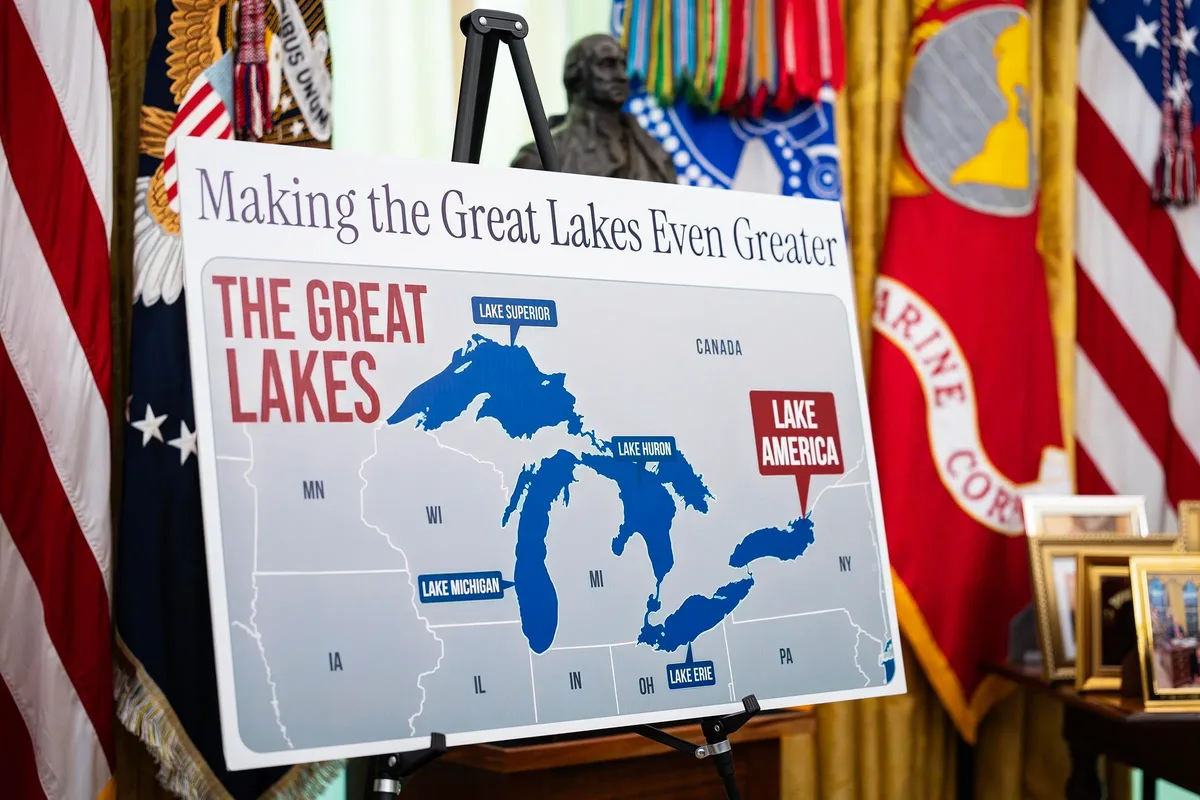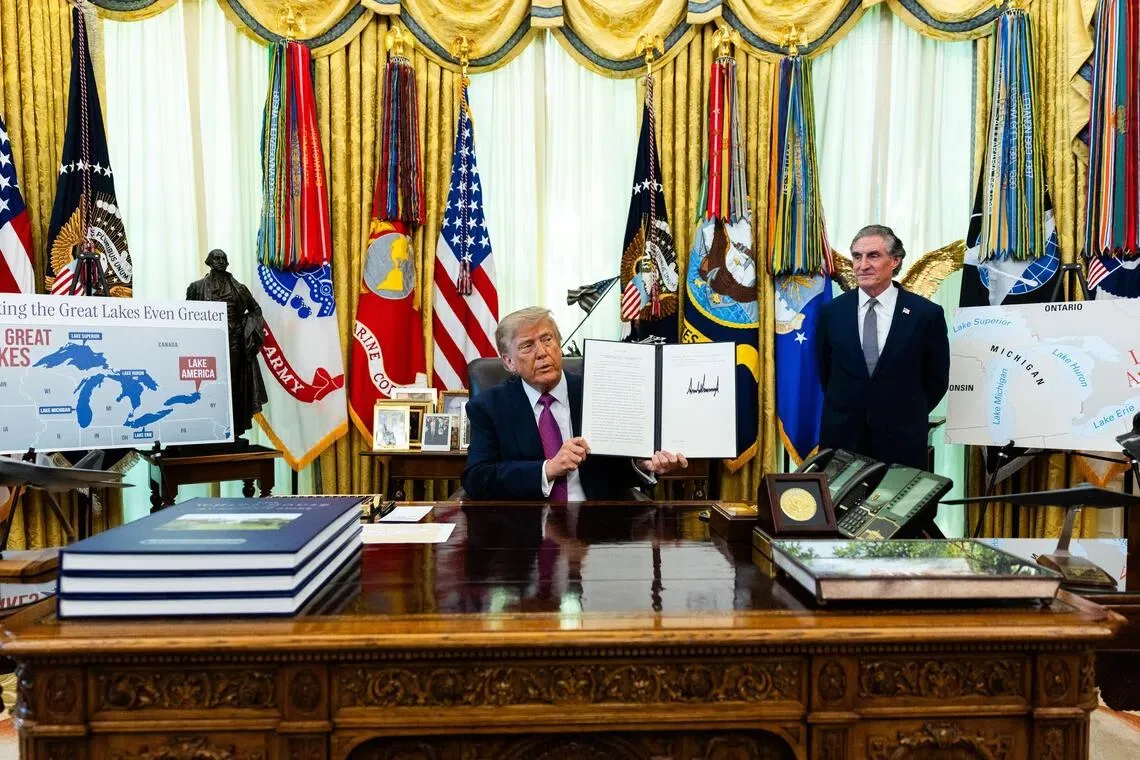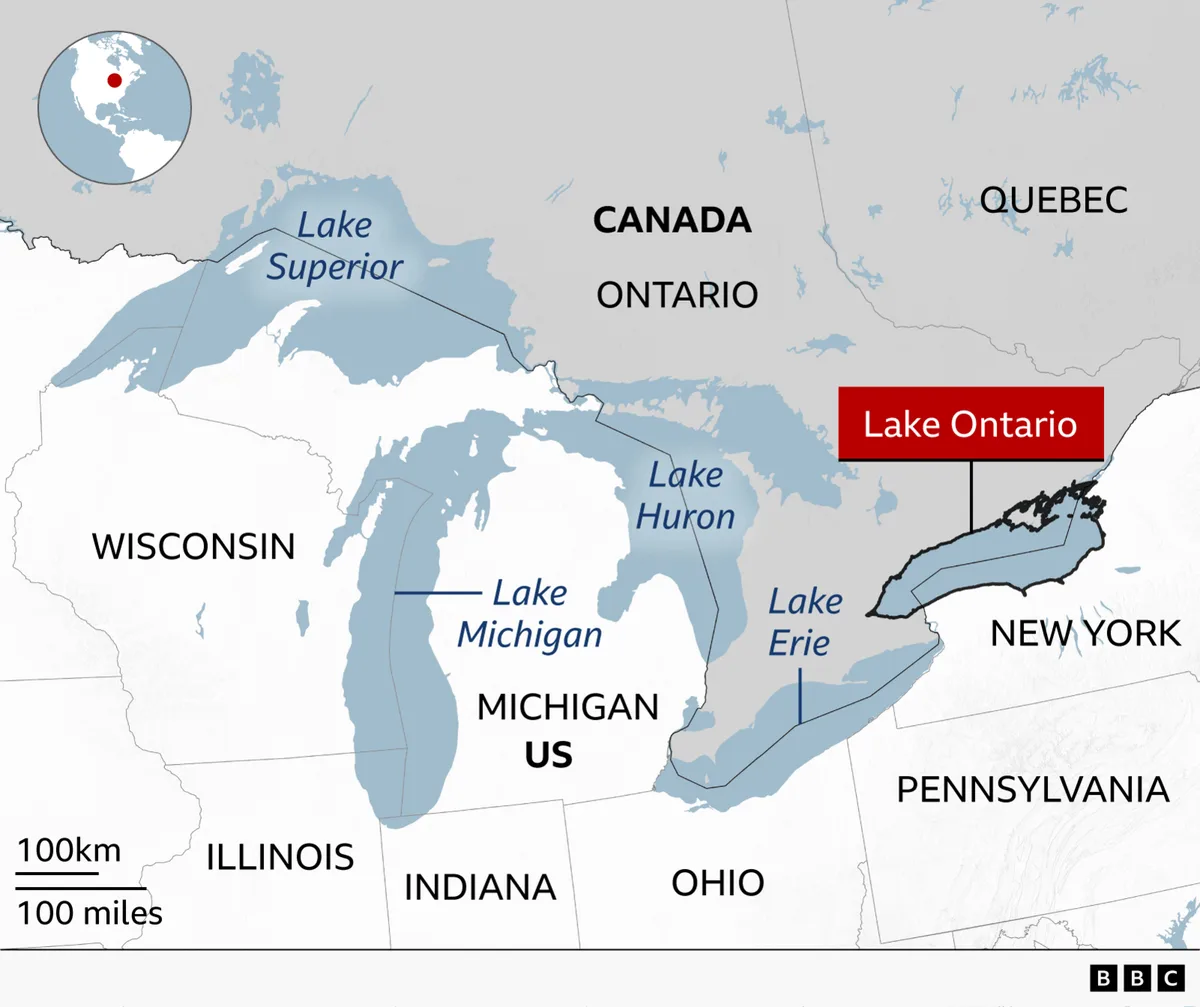
US President Donald Trump signed an executive order on August 27, 2026, renaming Lake Ontario within the United States as Lake America, effective immediately [1, 2, 3]. The order updates official US geographic names records in the Department of the Interior's database (GNIS), confirming the new designation for the Great Lake that borders New York and the Canadian province of Ontario [1, 4, 3]. Trump told reporters, "We’re going to be changing the name of Lake Ontario effective immediately to Lake America" [3].
Lake Ontario covers a surface area where roughly 52% lies in Canada, making the name change largely symbolic from the Canadian perspective [3, 5, 6]. The renaming follows the collapse of US-Canada trade talks in August 2026 and the subsequent imposition of 50% US tariffs on $20 billion CAD of Canadian goods, with Canada planning reciprocal tariffs [1, 3, 6]. Trump has accused Canada of "ripping us off for a long time on trade" and called Canada "the worst" trade partner to deal with [2, 7, 8].
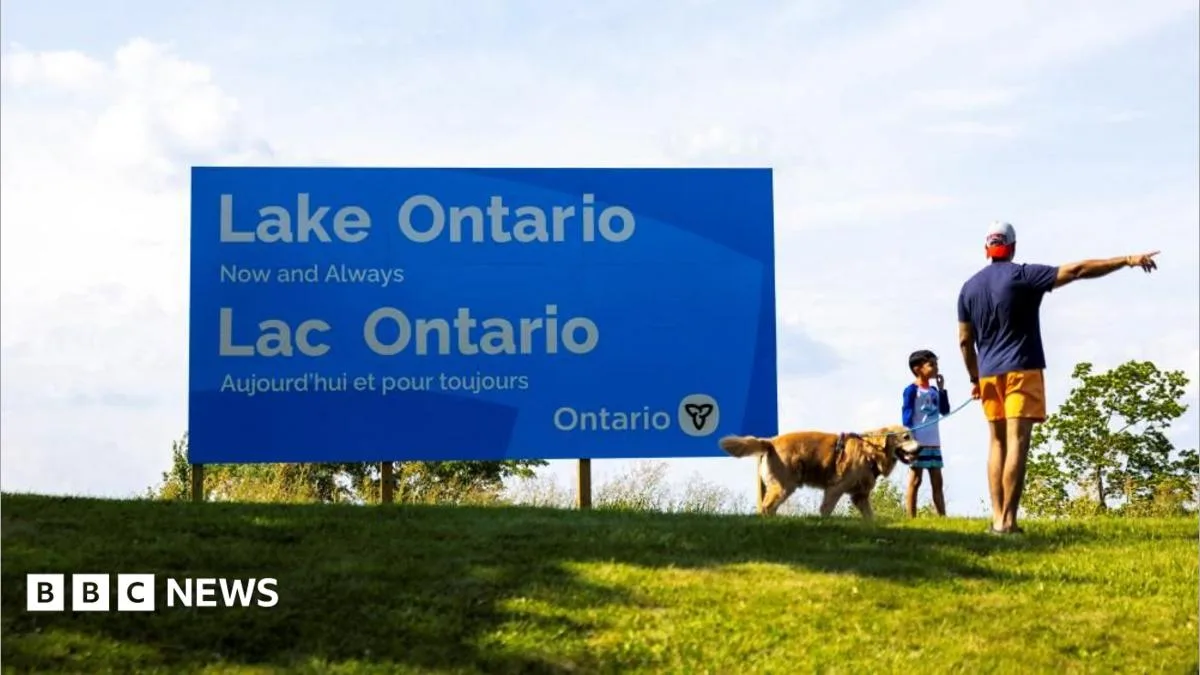
Canada's federal and provincial officials firmly reject the US renaming. Prime Minister Mark Carney stated, "this lake is called Lake Ontario – today and forever," while Ontario Premier Doug Ford installed a large sign on the Canadian shore reading, "Lake Ontario. Now and Always," and said the lake "will still be called Lake Ontario" long after Trump leaves office [1, 4]. Canadian businesses have sold more than 50,000 "Canada is not for sale" hats to capitalize on the dispute [9].
The renaming echoes Trump's 2025 unilateral renaming of the Gulf of Mexico to the Gulf of America, which Mexico rejected and triggered diplomatic disputes, including with Google Maps [1, 6]. Following that precedent, US Google Maps now display the lake as "Lake America," while Canadian users see "Lake Ontario," and international users see both names [10].
Some US Democratic lawmakers have criticized the executive order as divisive. Michigan Representative Debbie Dingell called it "absolutely foolish," emphasizing the Great Lakes' shared value to both nations and proposed legislation to overturn the renaming [6]. North Dakota Governor Doug Burgum expressed support, saying "the regions and waters adjacent to and supporting our nation should reflect the greatness of America" [6].
The trade dispute ignited when talks between the US and Canada collapsed on August 25, 2026, leading to the US tariff imposition that day [3, 6]. On the same day as the renaming order, August 27, Ontario's government responded with the roadside signage reaffirming the traditional name [4]. The US administration continues processing the geographic name change domestically [1].