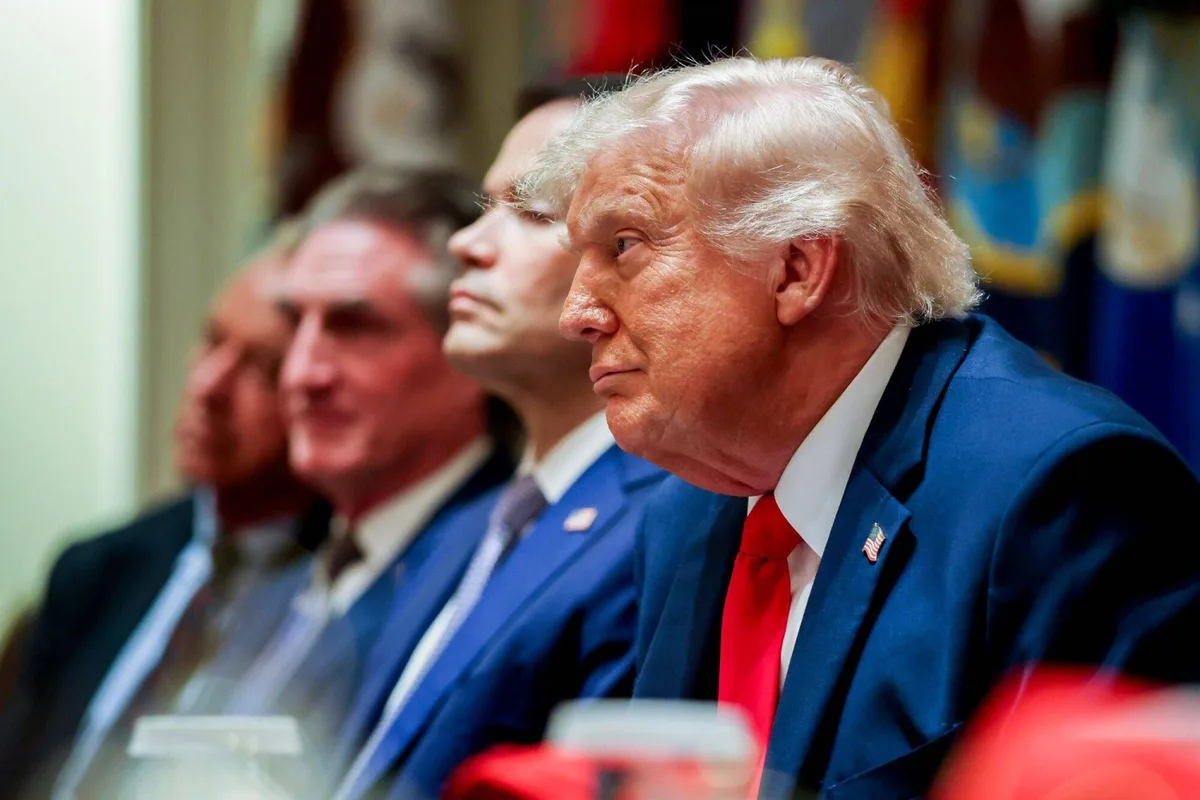
U.S. President Donald Trump is actively promoting swift development of artificial intelligence to compete with China, while opposing strong regulatory controls on the technology [1, 2]. He recently signed an executive order establishing a voluntary framework requiring AI developers to share information with the government 30 days before releasing advanced models [2].
The move aims to accelerate AI innovation but has sparked unease among some supporters in the Make America Great Again (MAGA) movement. They worry AI could displace large numbers of human workers [1, 2]. Amy Kremer, president of the conservative group Humans First, has warned that U.S. conservatives must wake up to the dangers posed by AI and called for stronger oversight. She criticized current regulations as being "less than what you’d see at a street vendor’s sandwich stand" [1, 2].
Steve Bannon and other prominent conservative activists have called artificial intelligence "the most dangerous technology in human history," urging mandatory AI testing before public release to prevent harm [2].
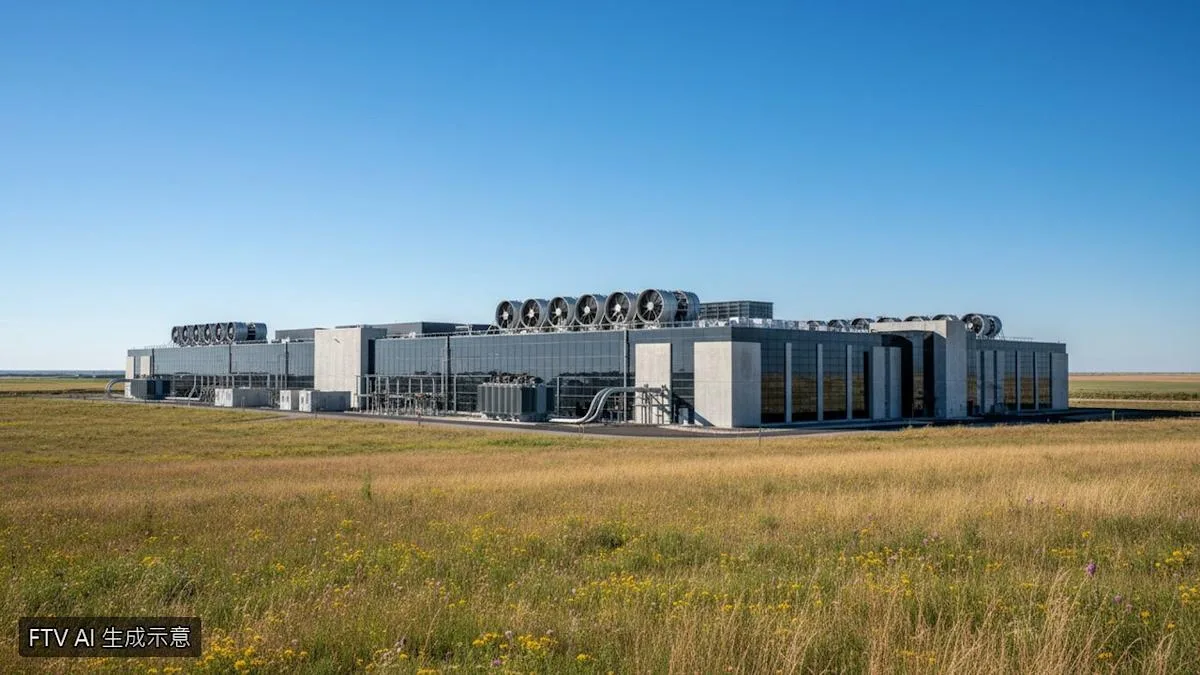
The expansion of AI data centers has hit a nerve in rural counties that strongly support Trump. These facilities demand large amounts of local resources but create few jobs, fuelling resentment among residents [2]. UCLA professor Megan Mullin said rural communities feel "besieged," and that this sentiment is driving anger and testing the loyalty of Trump’s core supporters [2].
In recent weeks before June 2, 2026, Trump signed his executive order on AI developer notifications, formalizing voluntary sharing of plans for advanced AI systems with government agencies [2]. On June 2, a report highlighted the tensions his AI push is causing within the grassroots MAGA movement [1].
The administration’s focus remains on scaling AI technologies rapidly to maintain a U.S. edge over China, while navigating growing concerns at the base over job security and regulatory gaps.