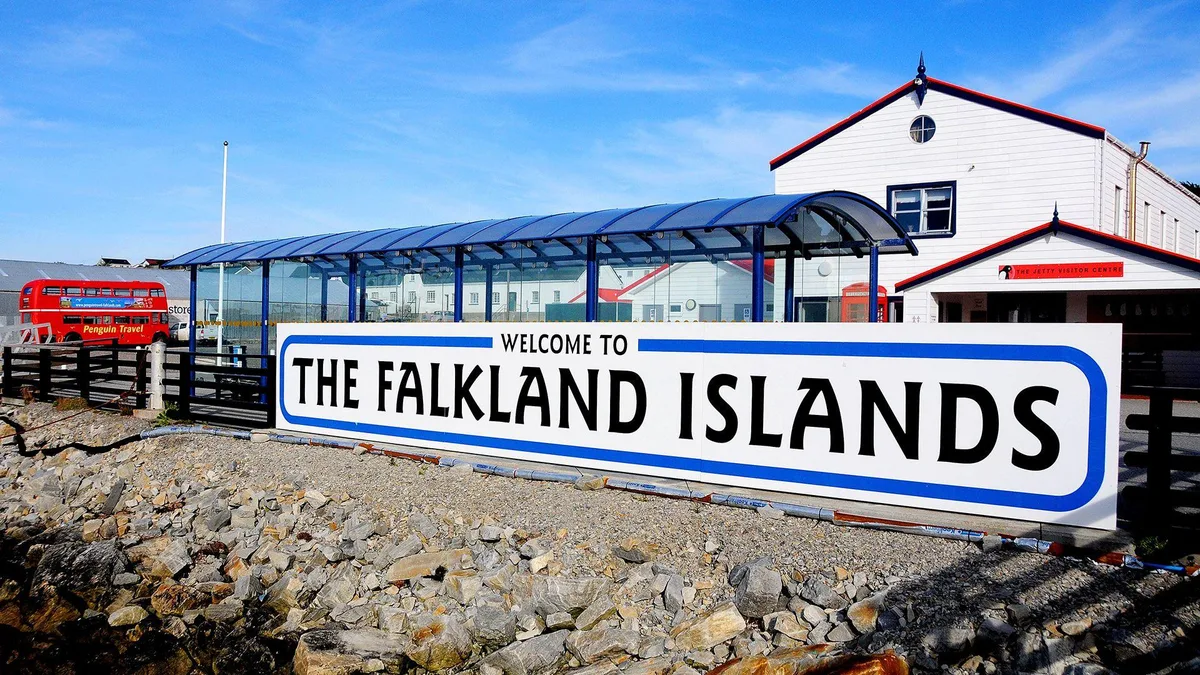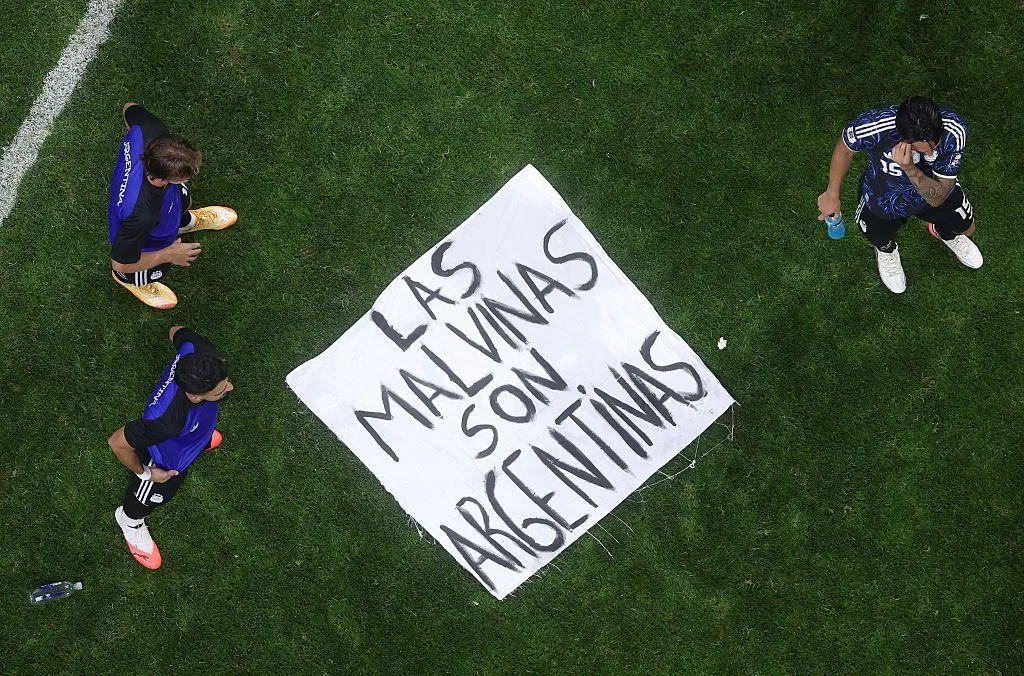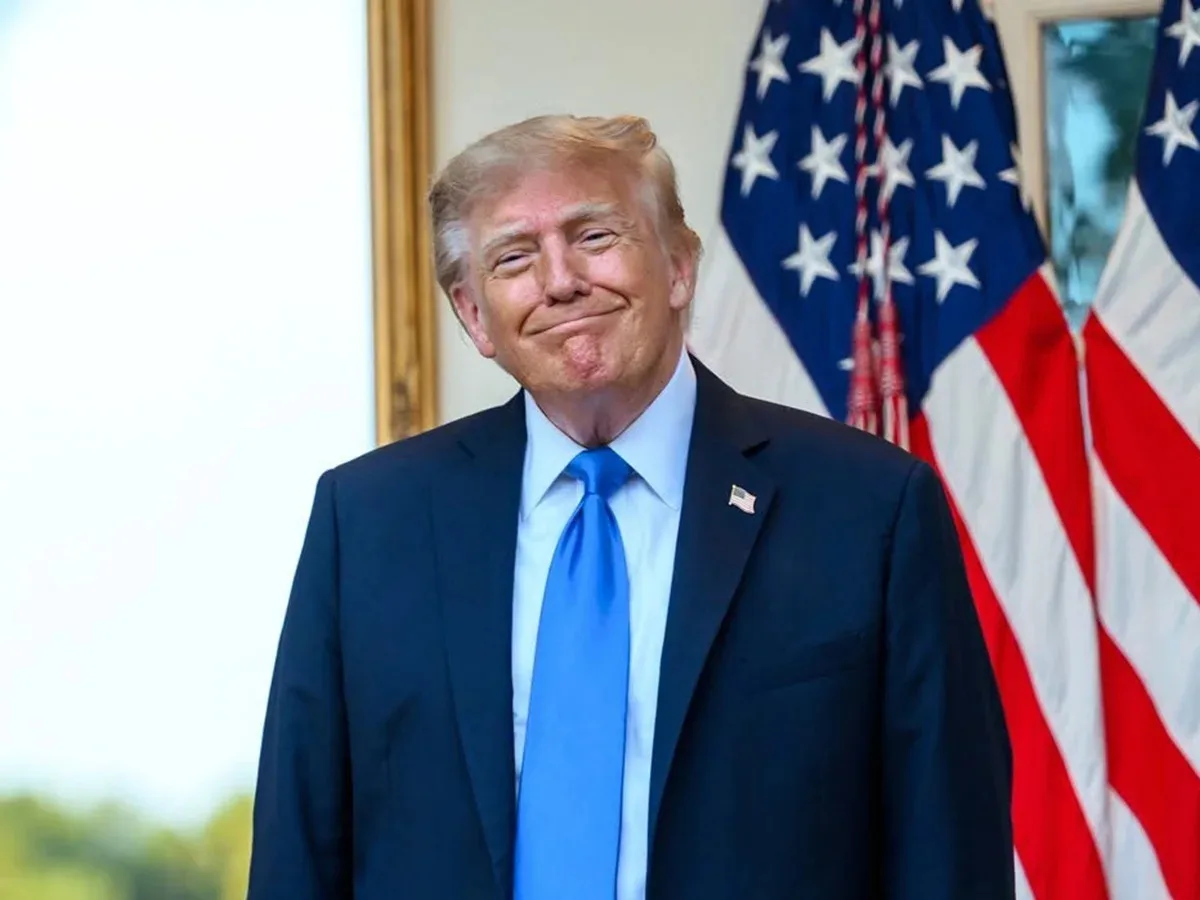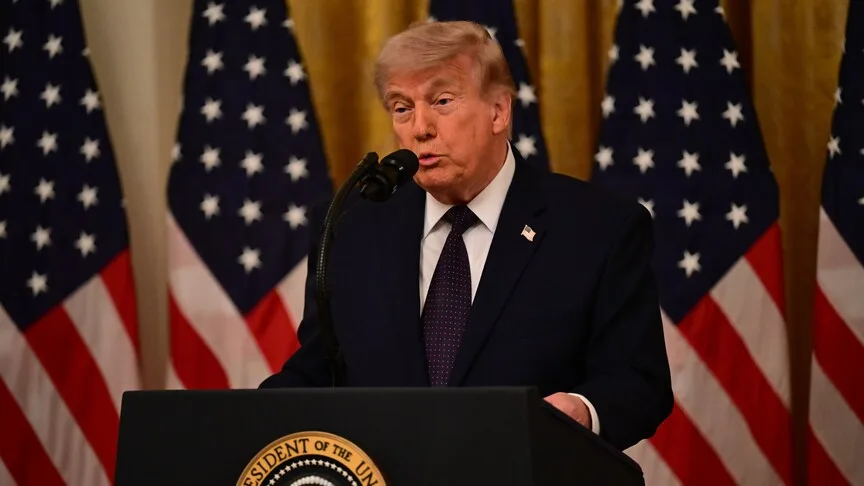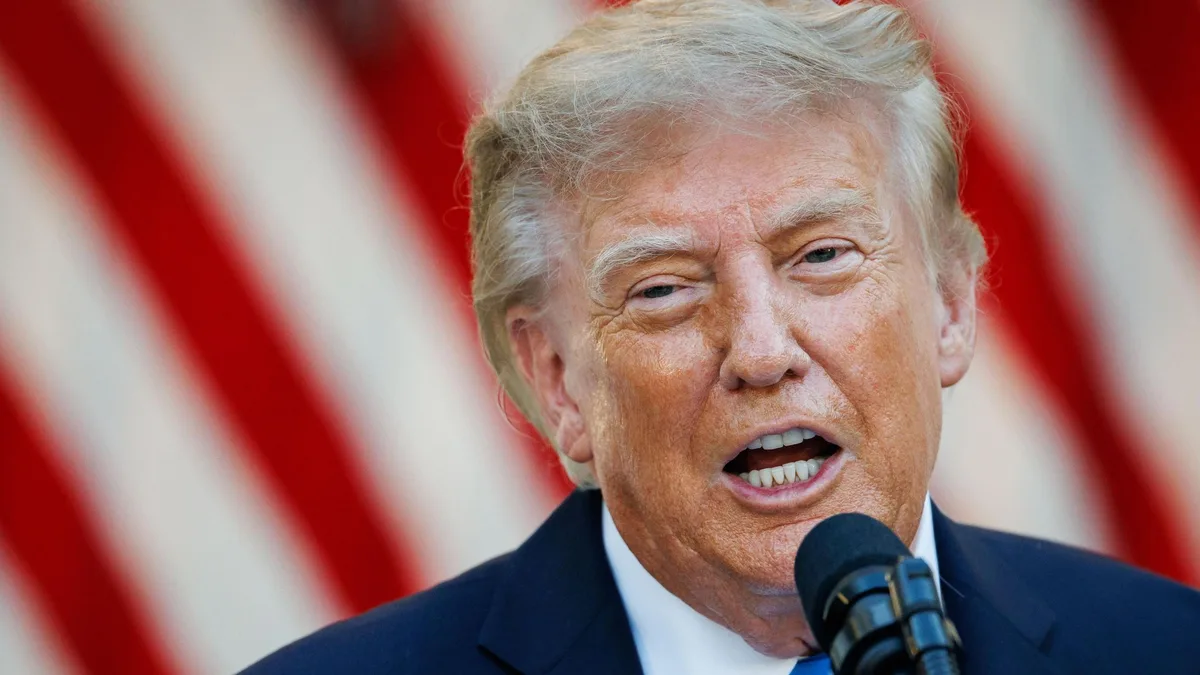
US President Donald Trump suggested in a September 3 interview that the United States might not aid the United Kingdom if it becomes involved in another conflict with Argentina over the Falkland Islands. He linked the potential shift in US support to what he described as the UK's failure to assist the US during its recent conflict with Iran [1, 2, 3].
Trump criticized the UK sharply, saying, "Your country was not there to help me. We didn't need help, but I did ask Nato, and I asked your former leader, 'why didn't you send a couple of ships?'" He added that NATO also failed to provide support during the tense US operations in the Strait of Hormuz [1].
He recalled speaking with then British Prime Minister Keir Starmer, who told him no ships were available to send to back US forces, a response Trump described as "sad" [1, 2, 3].
The former president also expressed doubt about the UK's current military capacity to defend the Falklands. "Your country is not the same country it was 20 years ago, 25 years ago. I just don't know if you have the capacity to do it. It's a big difference," Trump said. He referenced the 1982 Falklands War, praising the UK's strong military response at the time but emphasizing the time elapsed since then [2].
The Falklands War in 1982 lasted 74 days and resulted in 255 British military deaths, 649 Argentine military deaths, and 3 islanders killed. That conflict ended with the UK regaining control of the islands after fighting Argentina [1, 3]. Previous US administrations have recognized the UK's de facto administration over the Falklands but have not officially taken a position on sovereignty [1, 3].
Meanwhile, Argentinian President Javier Milei, a political ally of Trump, is scheduled to make a televised national address about Argentina's claim to the Falkland Islands tonight, September 3 [1, 2].