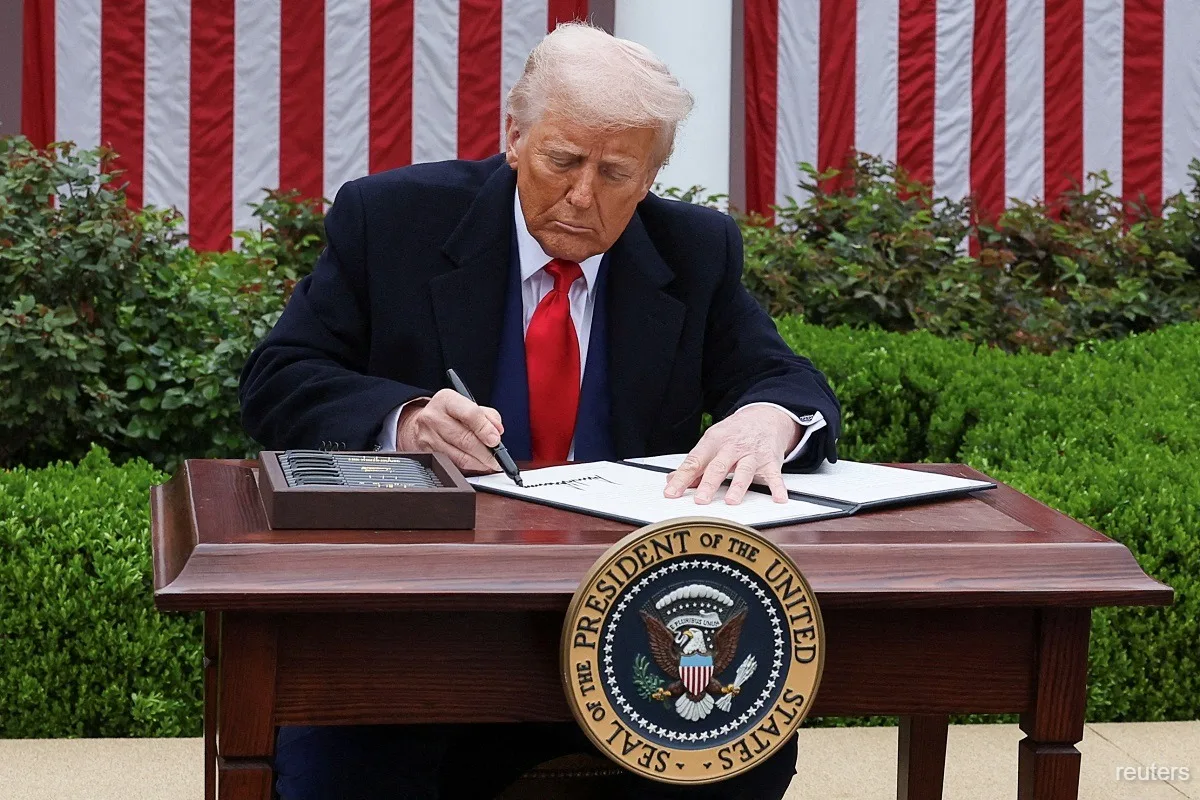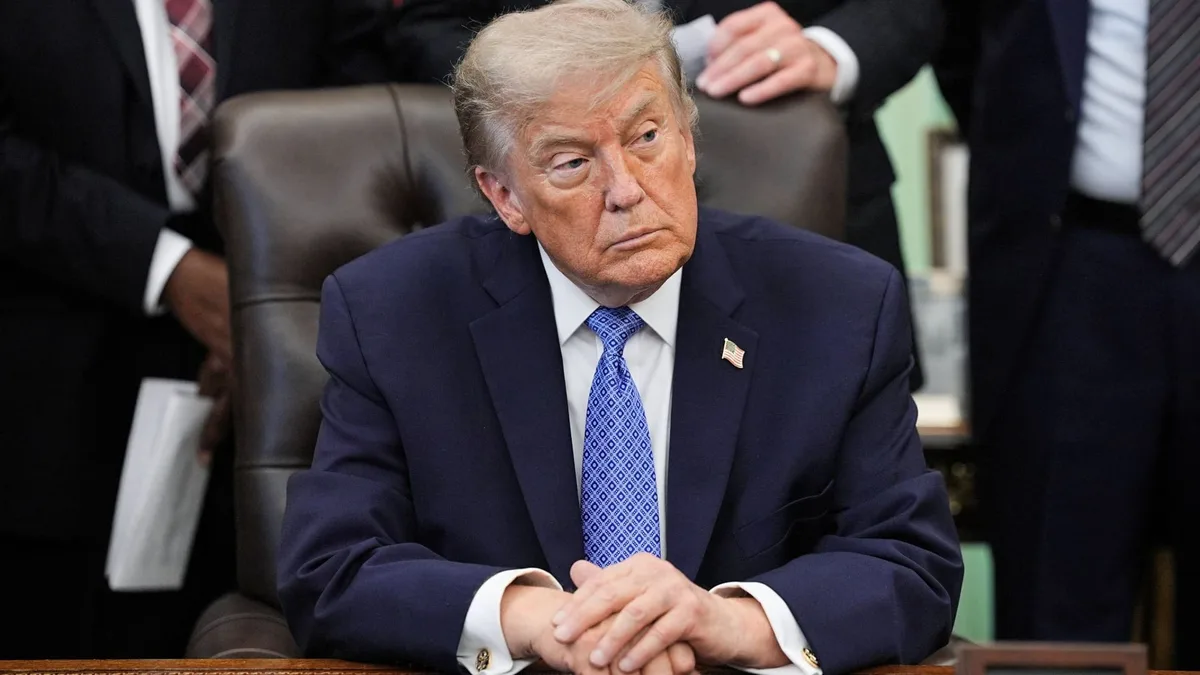
President Donald Trump announced on July 10, 2026, that he would not sign the bipartisan 21st Century Road to Housing Act, calling it "a big yawn" and withholding his signature "in PROTEST over the fact that the United States Senate is not capable of passing THE SAVE AMERICA ACT" [1, 2, 3]. The bill is set to become law automatically on July 11, 2026, without Trump's signature or veto [1, 3].
The bipartisan housing bill aims to increase housing affordability by waiving or speeding environmental reviews for home building and capping the number of single-family homes that Wall Street investors can own [1, 2]. It represents a rare instance of agreement between Republicans and Democrats in a deeply divided Congress [1, 2].
Trump canceled a planned signing ceremony for the bill on June 24 to pressure Republicans to pass the SAVE America Act, which requires proof of citizenship to register to vote and would create a national voter database from state records [1, 2, 3]. The SAVE America Act has drawn criticism due to accusations by Trump and other Republicans of widespread election fraud, claims deemed false by multiple sources [1, 2, 3].
House Democratic Leader Hakeem Jeffries sharply criticized Republicans, saying they "would rather make it harder to vote than easier to afford a home" [1].
Trump's refusal to sign the housing legislation comes amid continued partisan battles over voting laws and housing policy. With the bill becoming law without the president's signature on July 11, all provisions in the 21st Century Road to Housing Act will take effect as planned [1, 3].