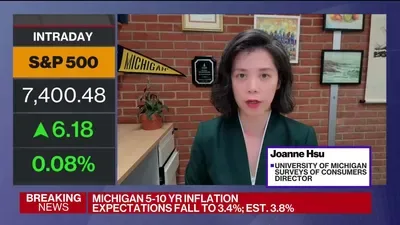
US consumer prices rose 4.2% year-on-year in May 2026, marking the fastest inflation pace in three years amid rising energy costs linked to the Iran war, according to government data [1, 2, 3]. The inflation surge is driven by the US-Israel conflict on Iran and disruptions to shipping through the Strait of Hormuz, a key oil transit route [1, 2, 3].
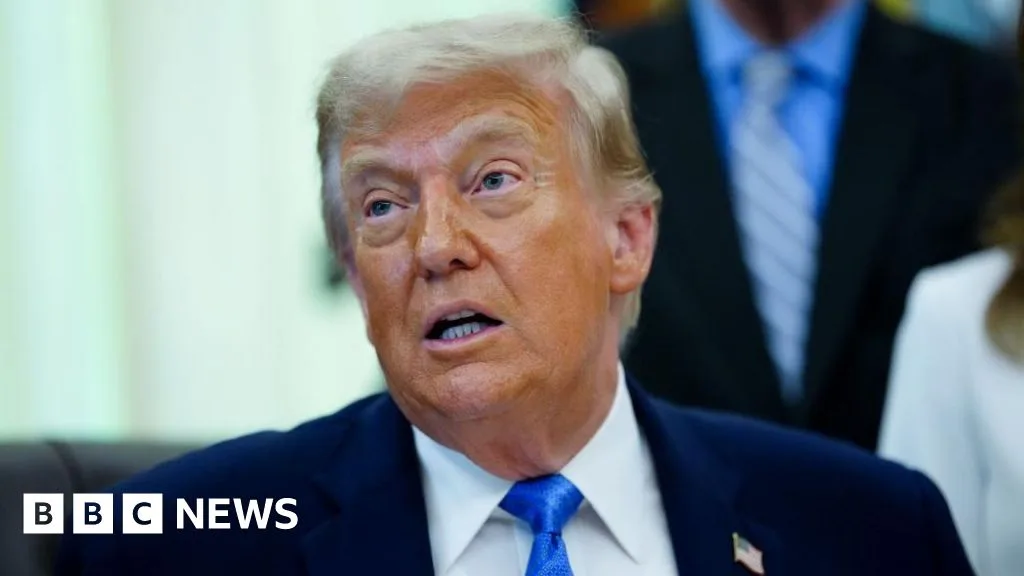
President Donald Trump has publicly endorsed the rising inflation, saying on June 10, "I love it. The numbers were great. You know what I really love? I love the inflation," framing it as a temporary effect of the ongoing conflict [1]. He predicted prices would fall once the war ends, stating, "When this conflict is over… you will see oil drop to where it was before," and "Once the war is over, inflation is going to come down like a rock" [1, 4]. Trump claimed recent secret operations against Iranian oil targets at sea have "slightly reduced oil prices," saying, "We took out the other night, 22 ships, late at night, with no lights, because they don't have any radar, because we blasted the crap out of it. That's why oil is at $85 a barrel" [1, 3].
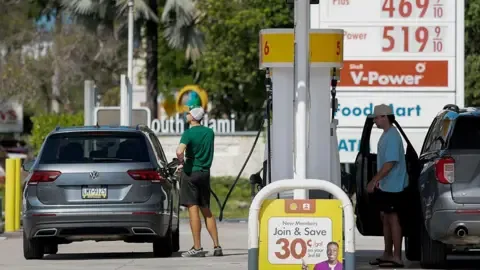
The average retail price for gasoline in the US rose sharply, from $2.98 per gallon at the end of February 2026 to about $4.15 per gallon in early June [1, 2]. With energy costs pushing overall prices higher, core inflation excluding food and energy remained lower, around 2.9% annually [3, 5].
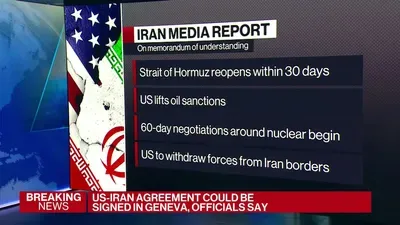
Many US households are experiencing financial stress as wage growth lags behind inflation, shrinking their real earnings and savings [4]. The US Congress Minority estimated the combined costs of the Iran war and tariffs have amounted to more than $3,100 per household from 2025 through May 2026 [4]. Efforts to reopen the Strait of Hormuz and restore oil tanker movements have stalled, and disruptions are expected to continue through the year [2, 6].
Republican lawmakers express concern that rising prices and cost-of-living pressures could hurt their chances in the November 2026 midterm elections despite Trump’s optimistic rhetoric [2, 6, 4].
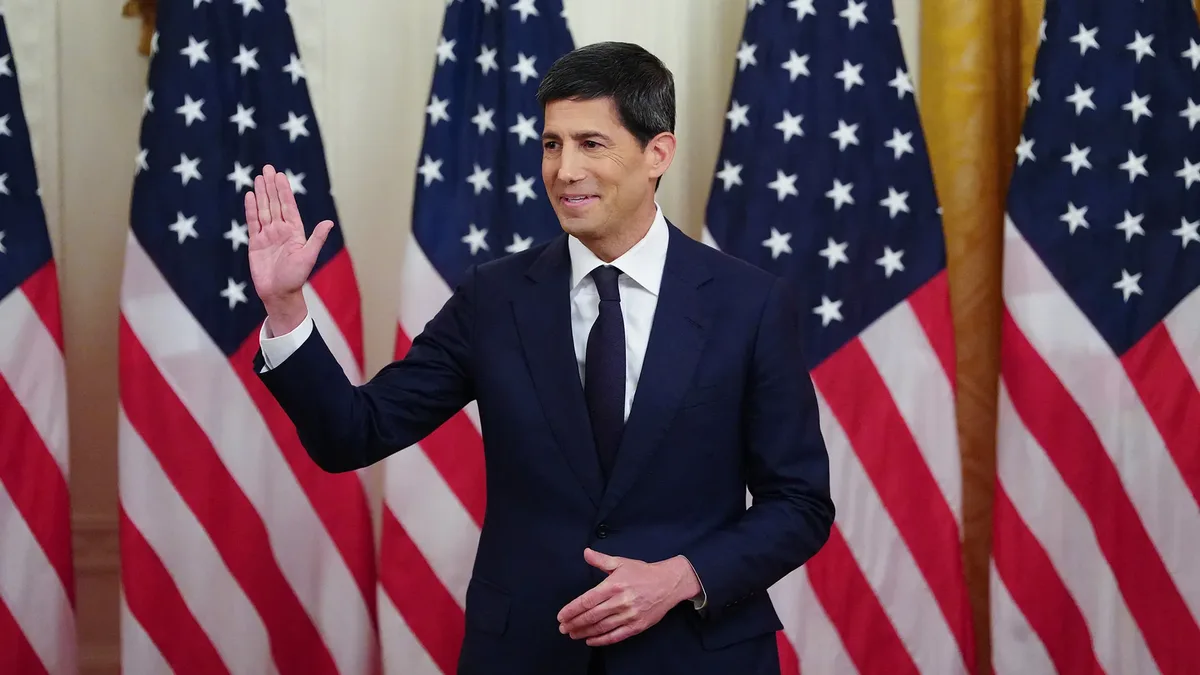
Federal Reserve Chair Kevin Warsh began his tenure amid this inflation surge. He emphasized careful communication, saying, "truth-seeking is more important than repetition" in delivering key policy news [7]. Warsh faces internal Fed disagreement on interest rates, with some officials opposing cuts due to persistent inflation and energy price shocks from the Iran conflict [5, 7]. The Fed’s short-term interest rate range stands at 3.5%–3.75% as of June 2026 [5].
Warsh also indicated a reversal of recent terminology trends by preferring the title "chairman" rather than the gender-neutral "chair" [8].
Fresh US airstrikes on Iran resumed on June 11 after stalled peace talks, with Trump threatening further actions, potentially escalating conflict [9]. Warsh addressed Fed communications and policy direction shortly after his appointment on June 12 [7, 8].