President Donald Trump said negotiations with Iran are proceeding in an orderly and constructive manner and emphasized patience to avoid mistakes. "The negotiations are proceeding in an orderly and constructive manner, and I have informed my representatives not to rush into a deal in that time is on our side. Both sides must take their time and get it right. There can be no mistakes!" he said on May 24 [1, 2].
Trump insisted the U.S. naval blockade of Iranian ports and the Strait of Hormuz will remain in full force until an agreement is reached, certified, and signed. "The Blockade will remain in full force and effect until an agreement is reached, certified, and signed," he said [1, 2].
The proposed deal would include reopening the Strait of Hormuz, ending hostilities, unfreezing certain Iranian assets, and continuing talks on nuclear restrictions [1]. Trump also warned Iran must not develop or acquire nuclear weapons or bombs [1, 2].
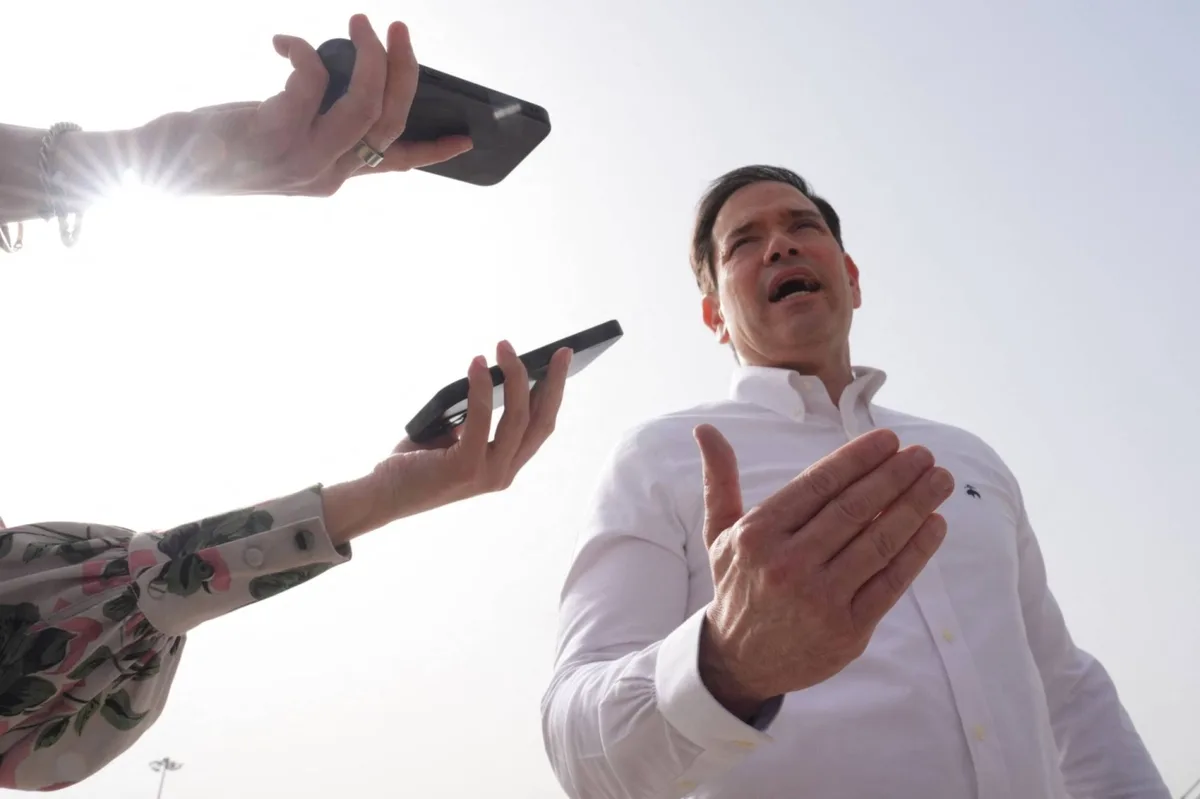
U.S. Secretary of State Marco Rubio spoke on May 25 in New Delhi, saying the U.S. will give diplomacy every chance before considering other options. "There will either be a good agreement or Washington would deal with the country in 'another way,'" Rubio said [3]. He described a "pretty solid thing on the table in terms of their ability to open up the strait, get the strait open, enter into a very real, significant, time-limited negotiation on the nuclear matter" [3].
Trump described U.S.-Iran relations as becoming more professional and expressed hope Iran could join the Abraham Accords in the future [2]. He criticized the 2015 Iran nuclear deal as flawed and called the current negotiations far better, saying they will prevent Iran from obtaining nuclear arms [2].