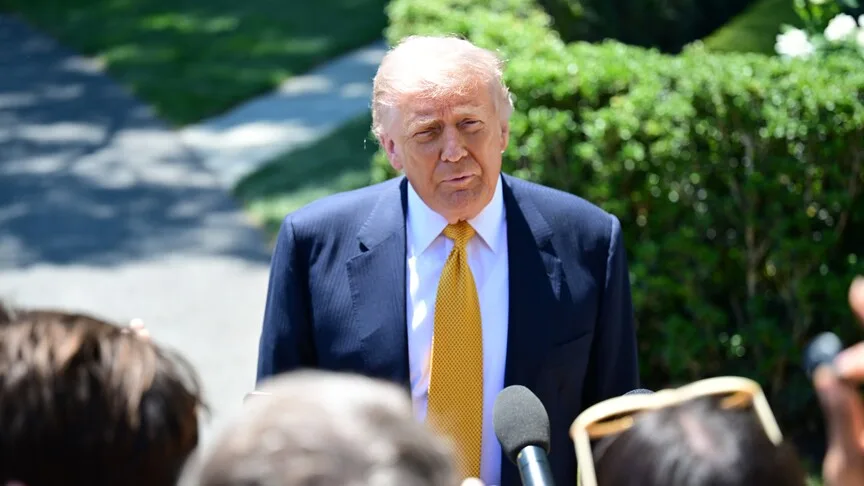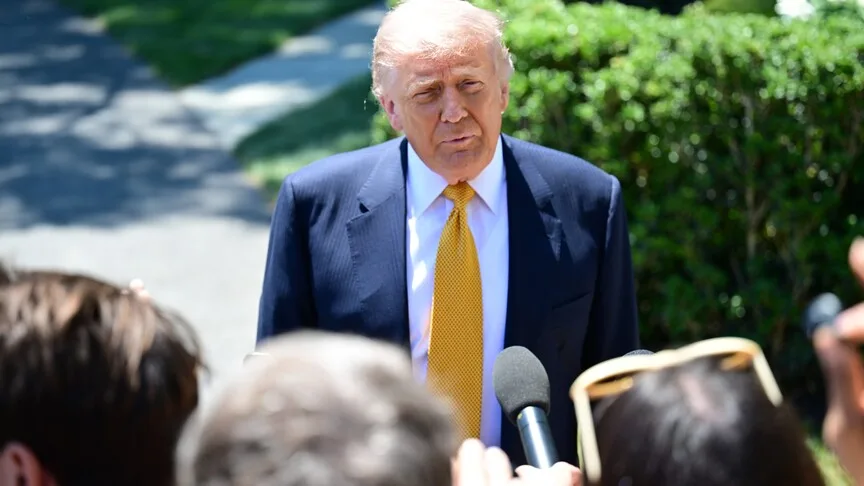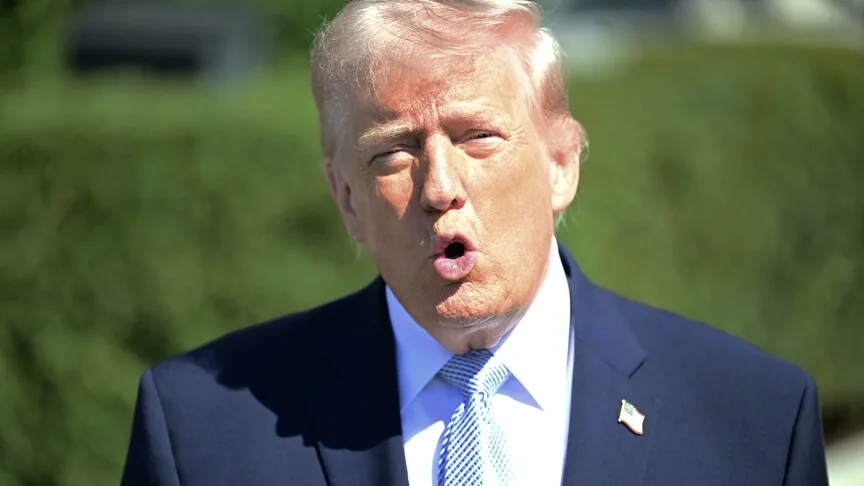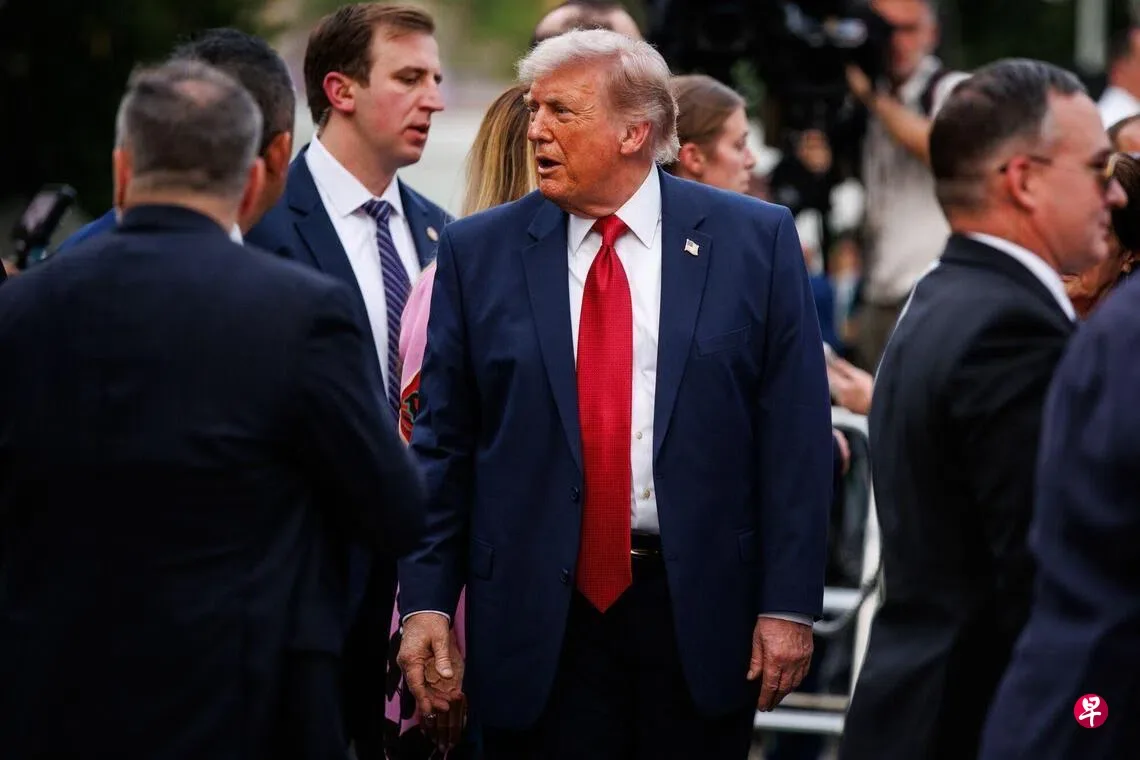
US President Donald Trump said the war with Iran will end very quickly because Iran wants to make a deal badly, signaling optimism about diplomatic efforts to end the conflict [1, 2, 3, 4]. He told a White House event on May 19 that "We will end that war very quickly. They want to make a deal so badly, they're tired of this" [3]. Trump also emphasized Iran will not obtain nuclear weapons, saying, "They (Iran) won't have a nuclear weapon. Hopefully we're going to get it done in a very nice manner" [1, 3].
Trump added on May 20 that he is "giving this one shot" at diplomacy, prioritizing minimizing casualties and saying, "I'm in no hurry. I just, ideally, I'd like to see few people killed, as opposed to a lot" [4]. This contrasted with his statement on May 18 when he said he was "not open to anything right now" regarding nuclear talks, reflecting a recent shift in tone [5].
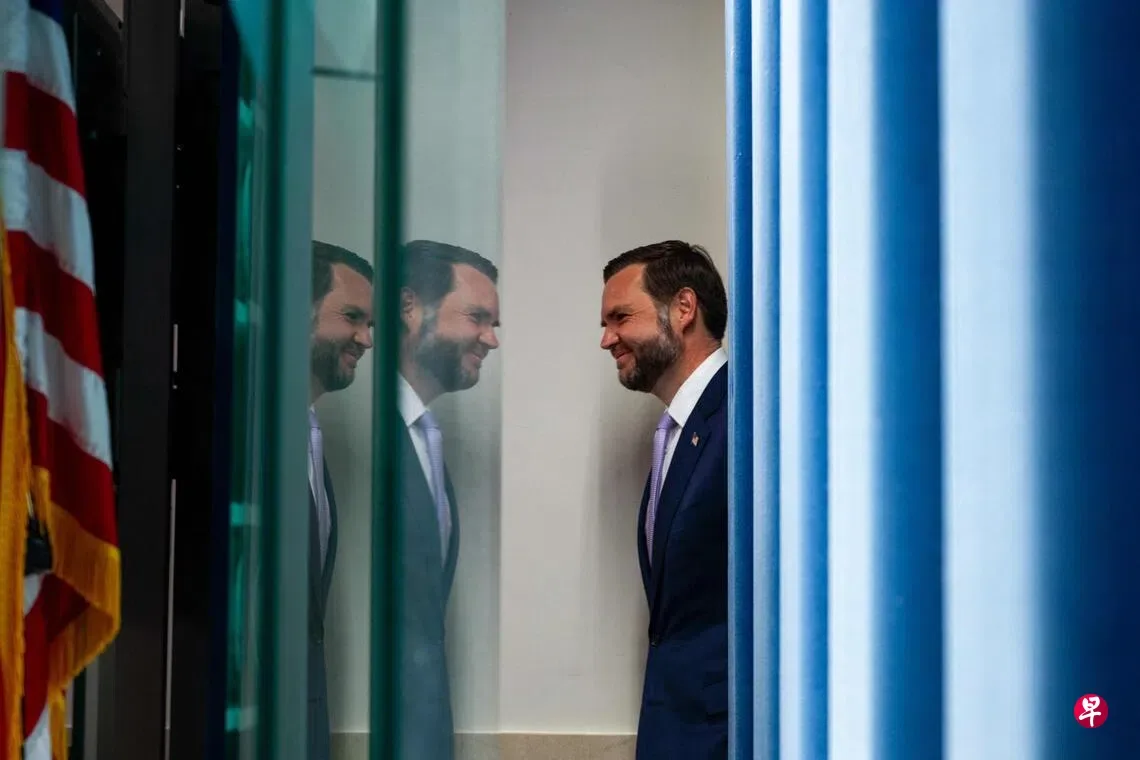
US Vice President Mike Pence said talks with Iran have made significant progress but warned the US is ready to restart military action if diplomacy fails. He stated, "We now have a very favorable position — but we also have Plan B, which is restarting military operations. We are ready to do so if necessary" [2].
Iran’s Islamic Revolutionary Guard issued a stern warning that renewed US or Israeli attacks would expand the war beyond the Middle East. It said that any new attacks would face a "devastating strike" and could escalate the conflict globally [2].
On May 19, the US Treasury imposed sanctions on more than 50 Iranian entities, including exchange houses and shipping companies, to cut financial resources feeding the Iranian regime [2]. The same day, the Senate voted 50-47 to advance a bill limiting President Trump's military action powers on Iran, requiring congressional approval before future strikes [2].
A ceasefire brokered by Pakistan took effect on April 8 but talks in Islamabad failed to produce a lasting agreement. Pakistan’s interior minister has visited Tehran multiple times in May to mediate between Washington and Tehran [5, 4].
Trump said Israeli Prime Minister Benjamin Netanyahu is aligned with his stance and "He'll do whatever I want him to do. He's a very, very good man" [4].
The 60-day US authorization for military action against Iran expired May 1, with the Trump administration pausing operations due to the ceasefire [2]. As of now, Trump’s statements indicate a final push to resolve the conflict diplomatically while holding military options open.
The next key event will be how Iran and the US respond to ongoing Pakistani mediation efforts this month and whether sanctions and congressional limits shift the negotiating landscape further.