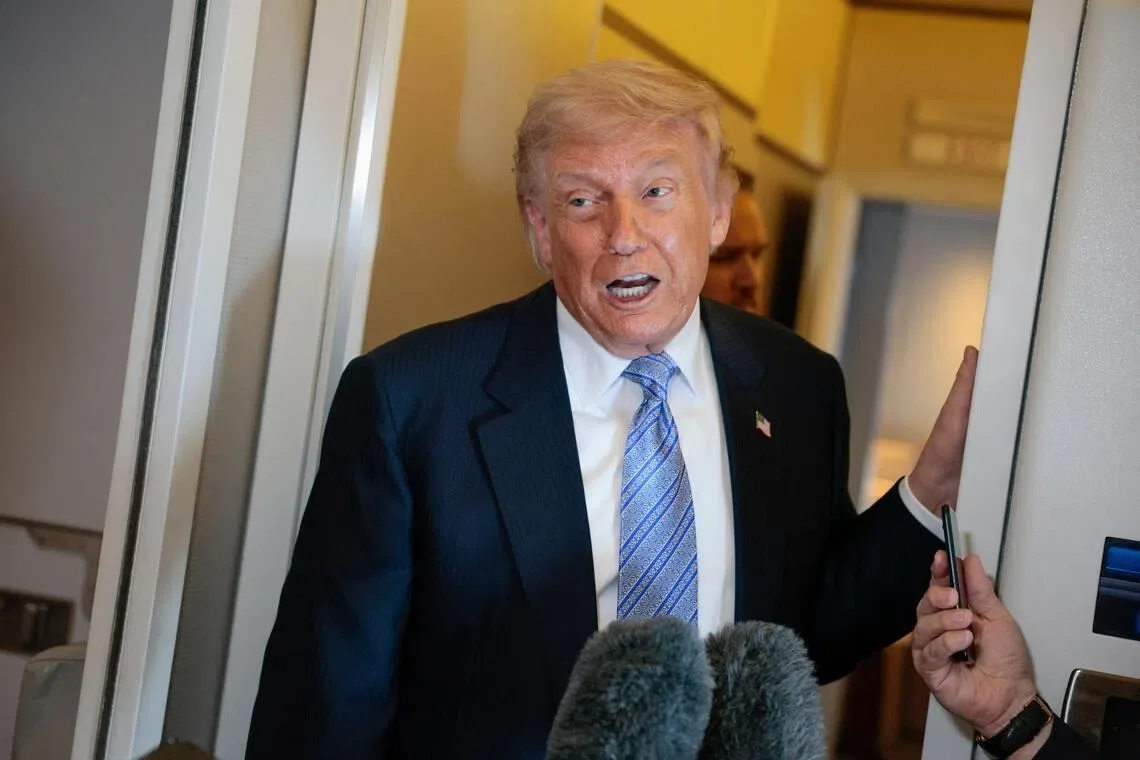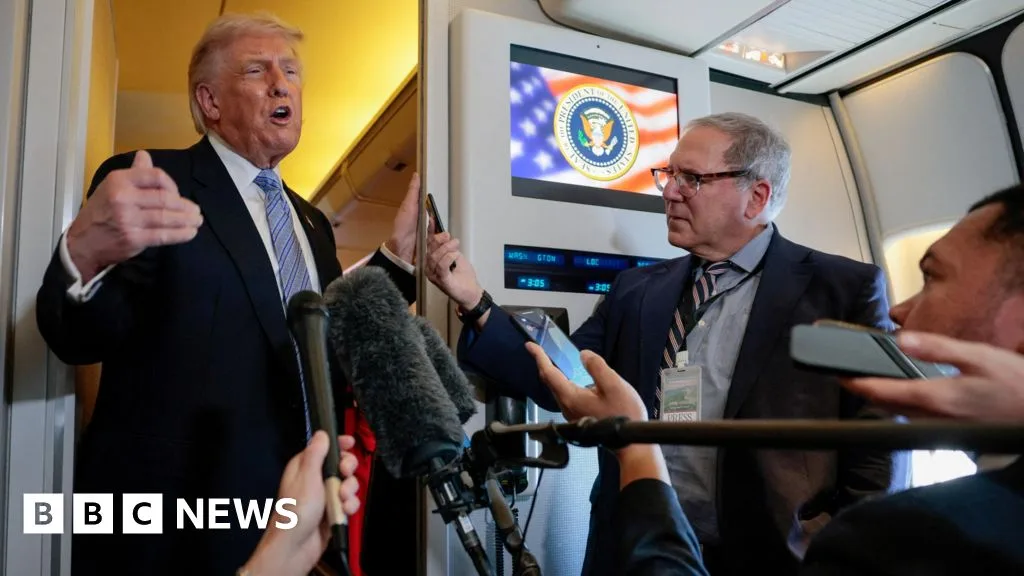
US President Donald Trump said on May 14 he would accept a 20-year suspension by Iran of its nuclear program, a shift from previous demands for a permanent halt. He stressed the suspension must be a "real 20 years" with sufficient guarantees from Iran. Trump said, "Twenty years is enough, but the level of guarantee from them, in other words it's got to be a real 20 years" [1].
Trump also expressed skepticism about the US effort to recover Iran's stockpile of highly enriched uranium, estimated at about 434 kilograms and believed buried under bombed nuclear sites. He said the recovery effort is "more for public relations than it is for anything else," though he would prefer to have the material removed from Iran [2, 3, 4].
The conflict between the US and Iran intensified after US and Israeli airstrikes began on February 28, resulting in thousands killed and millions displaced. A fragile ceasefire has been in place since April but both sides have accused each other of violations [1, 3, 4, 5].
Trump has repeatedly threatened renewed military action if Iran does not reach a deal, posting on social media on May 17: "For Iran, the Clock is Ticking, and they better get moving, FAST, or there won't be anything left of them. TIME IS OF THE ESSENCE!" [5]. He declared, "I am not going to be much more patient. They should make a deal" [3].
Iranian parliamentary spokesman Ebrahim Rezaei said on May 12 Iran could enrich uranium to 90% purity, a weapons-grade level, if attacked again. He stated, "The country could enrich uranium up to 90 per cent purity, a level considered weapons-grade, if Iran was attacked again" [3, 4]. Iran denies seeking nuclear weapons but insists on its right to peaceful nuclear technology under the Nuclear Non-Proliferation Treaty [3, 4].
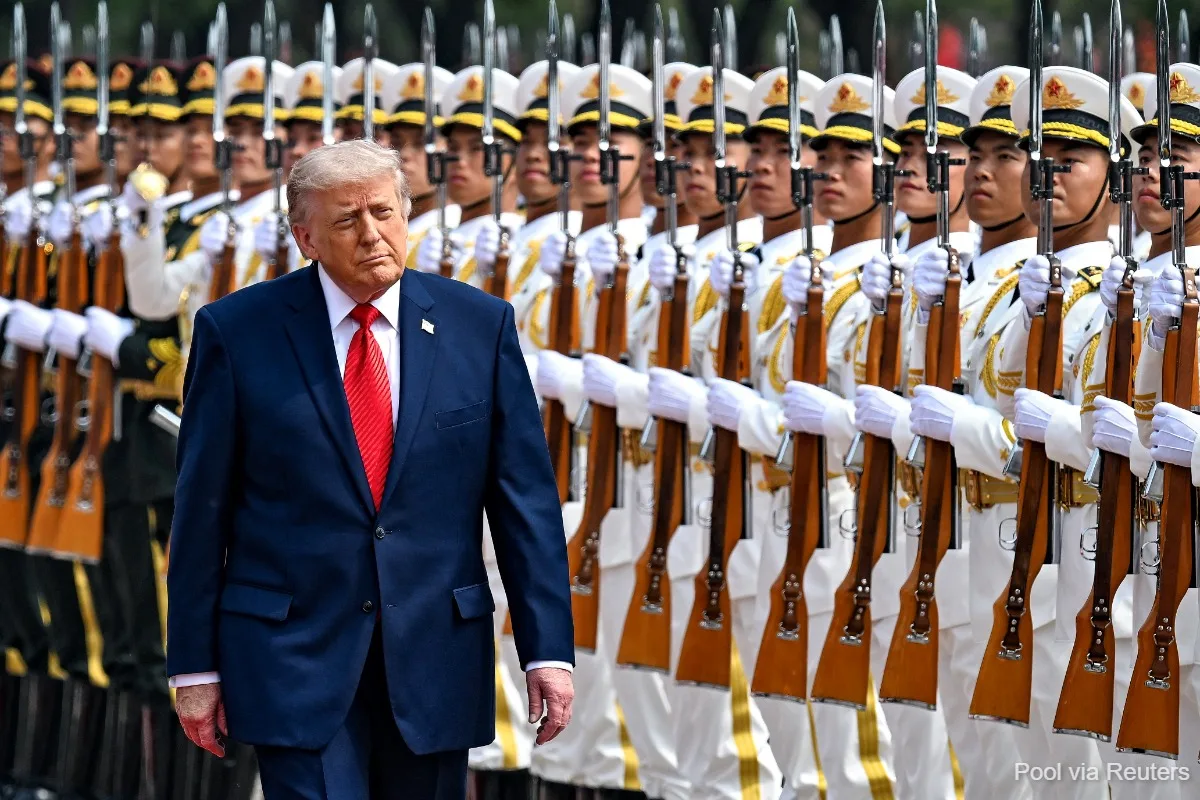
Trump and Chinese President Xi Jinping met on May 15 in Beijing. They agreed Iran must reopen the Strait of Hormuz, which Iran has blocked amid the conflict. Trump said, "We don’t want them to have a nuclear weapon, we want the straits open". China expressed frustration but gave no indication it would intervene or pressure Iran concretely [1, 6, 7, 8]. Iran has said it will not unblock the strait until the US ends its naval blockade of Iranian ports [1, 6, 7, 8].
Trump acknowledged he was not seeking favors in talks, saying, "I’m not asking for any favours because, when you ask for favours, you have to do favours in return" [6]. Iranian officials said the US has offered no tangible concessions in recent talks and seeks only to reimpose failed past demands [5].
The ceasefire remains fragile as talks continue. The US and allies await Iran's response to the 20-year suspension offer and the reopening of the Strait of Hormuz. The situation remains volatile amid ongoing threats and stalled negotiations.
Timeline
February 28, 2026: US and Israel launched massive air strikes on Iran, starting current conflict [1, 3, 4, 5].
April 2026: Fragile ceasefire took effect between US and Iran, with accusations of violations [1, 3, 4, 5].
May 12, 2026: Iranian spokesman Ebrahim Rezaei stated Iran could enrich uranium to 90% purity if attacked again [3, 4].
May 14, 2026: Trump gave interviews stating 20-year nuclear suspension acceptable; uranium recovery effort more for public relations [1, 2, 3, 4].
May 15, 2026: Trump met Xi Jinping; Xi agreed Iran must reopen Strait of Hormuz but gave no intervention commitment [6, 7, 8].
May 17, 2026: Trump posted warning that time is running out for Iran, threatening further US military action [5].