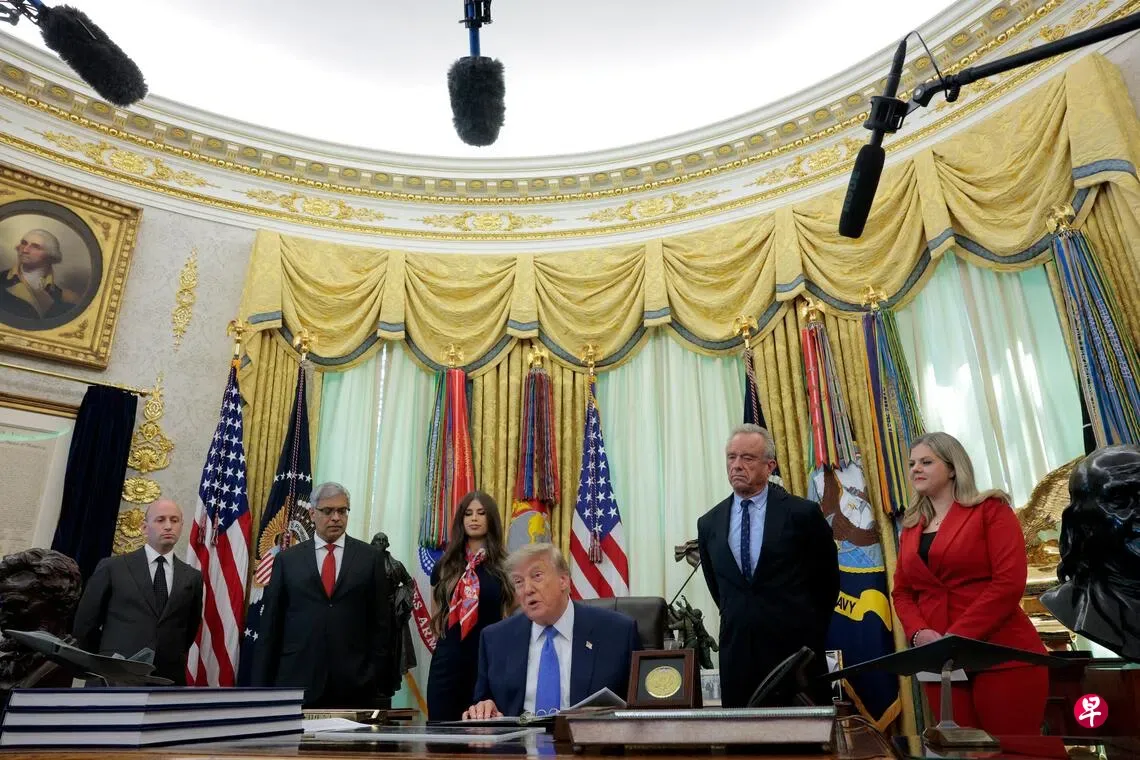
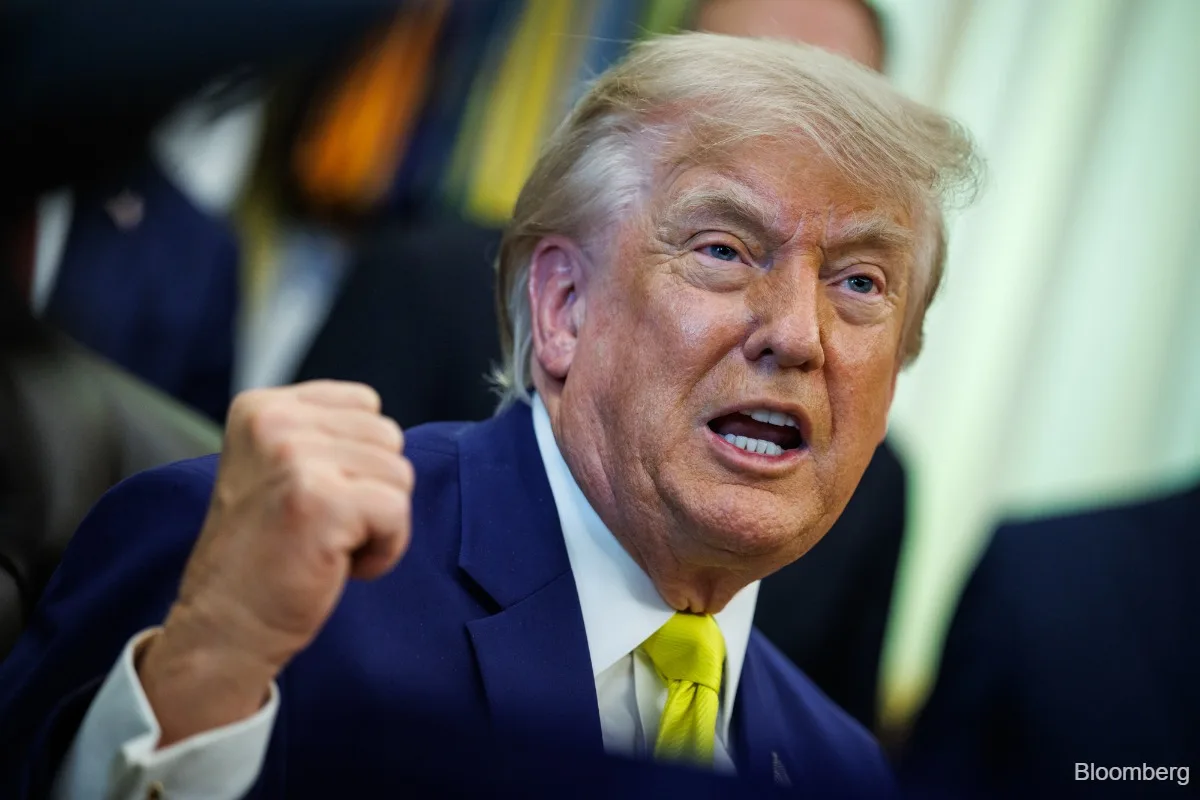
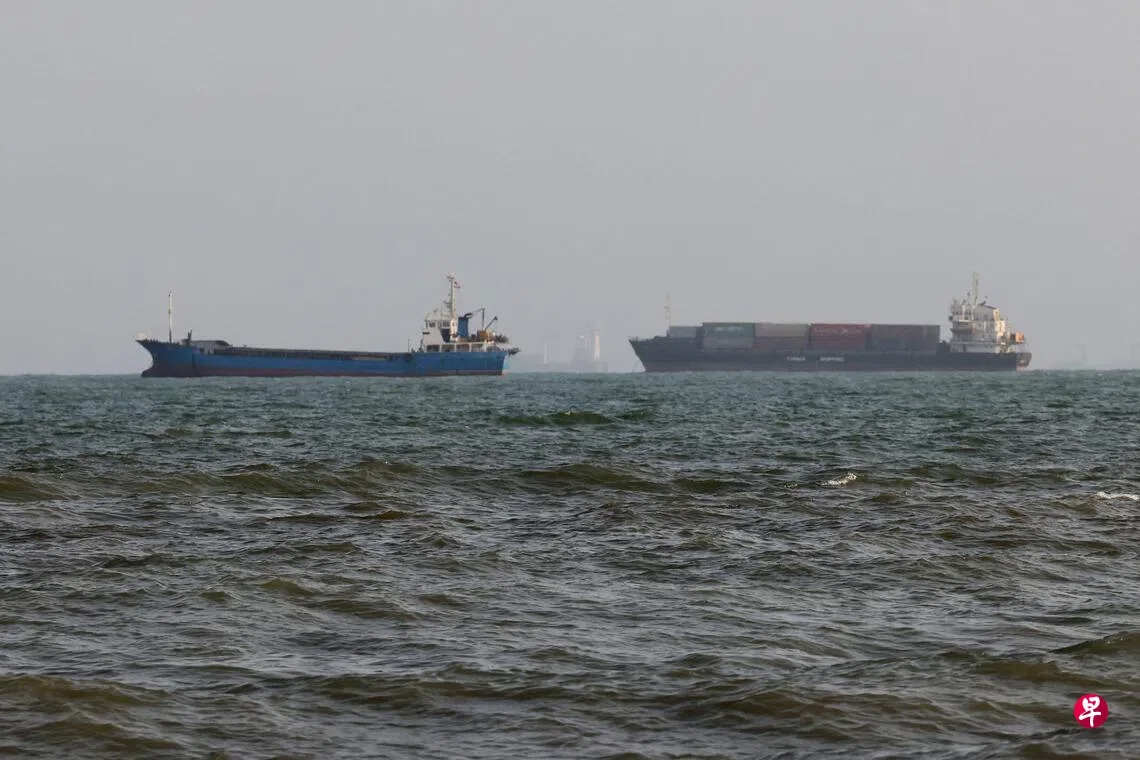
US President Donald Trump stated on August 9 that the US is "low-keying it" with Iran, signaling a move away from ordering more military strikes toward relying on economic pressure to handle tensions between the two countries [1, 2, 3, 4]. Trump described the US approach as "only semi-negotiating with them" while watching Iran's economy weaken under sanctions and a naval blockade, causing huge inflation and lack of funds [1, 4]. He said, "We control their money, what they had, which is a lot. They had a lot, and we have total control of it. I'm their banker" [5].
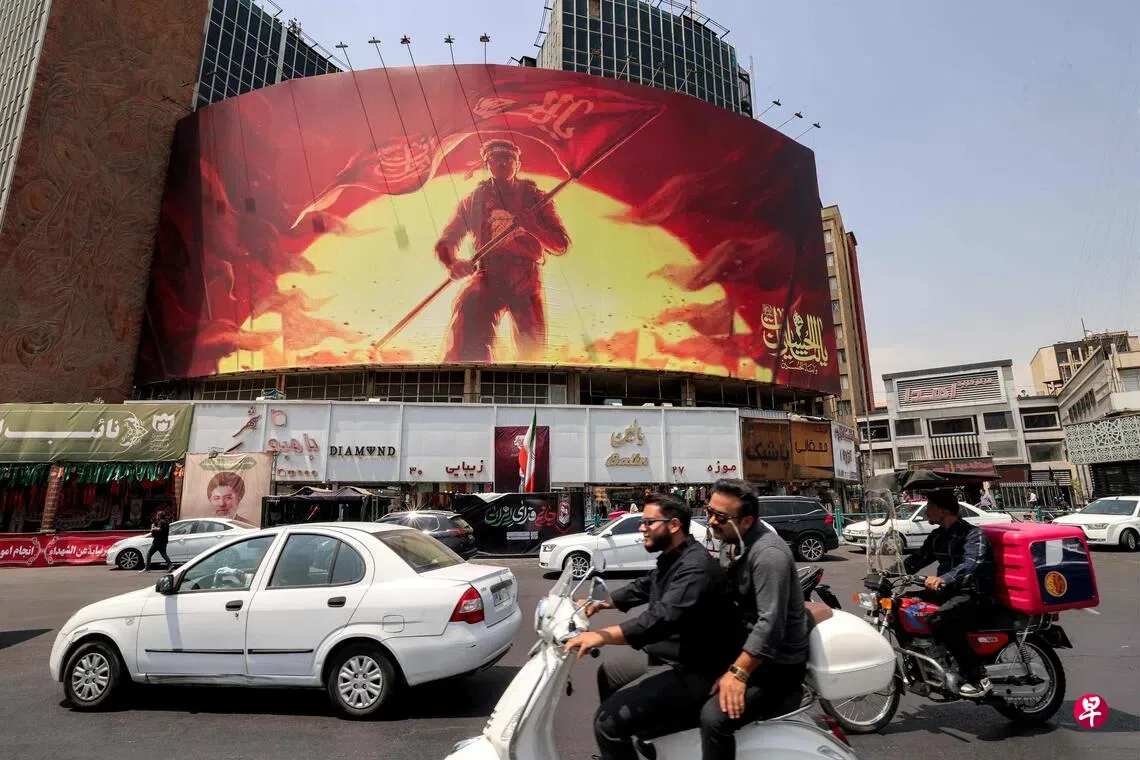
Iran demands the US end military actions against Iran and its allies, lift sanctions, remove the naval blockade, return frozen assets, and pay war damages before reopening the Strait of Hormuz, according to statements from Iran's Supreme National Security Council [2, 6, 7, 4, 8]. The Strait has remained mostly closed since the war began in late February, sharply reducing shipping volumes. On August 7, only 15 ships transited the Strait, dropping to 6 on August 9, reflecting the blockade’s impact [6]. Iran is also facing an inflation rate over 80%, with rationing of scarce goods and limited foreign currency access under U.S. sanctions [9].
On August 10, Trump asserted the US "100% controls" the Strait of Hormuz and claimed the US Navy allows passage only for vessels it permits, describing the blockade as a "steel wall" [6, 8, 10]. He added that Iran might cause troubles in the waterway but noted the country is economically weak. Iran disputes the US control, stating the Strait is not secure under the blockade and asserting control over much of the waterway itself [2, 11].
Trump also demanded that Iran pay compensation for war damages, including roadside bomb attacks and deaths over the past 50 years, which he said will be included firmly in negotiations [7, 8]. He described his strategic options as letting Iran fail economically and "just bop along" or hitting them "really, really hard," denying concerns over depleted US munitions stocks [5, 12]. Iran’s foreign ministry spokesman responded to Trump’s chess game analogy by calling Iranians "professional chess players" [11, 4].
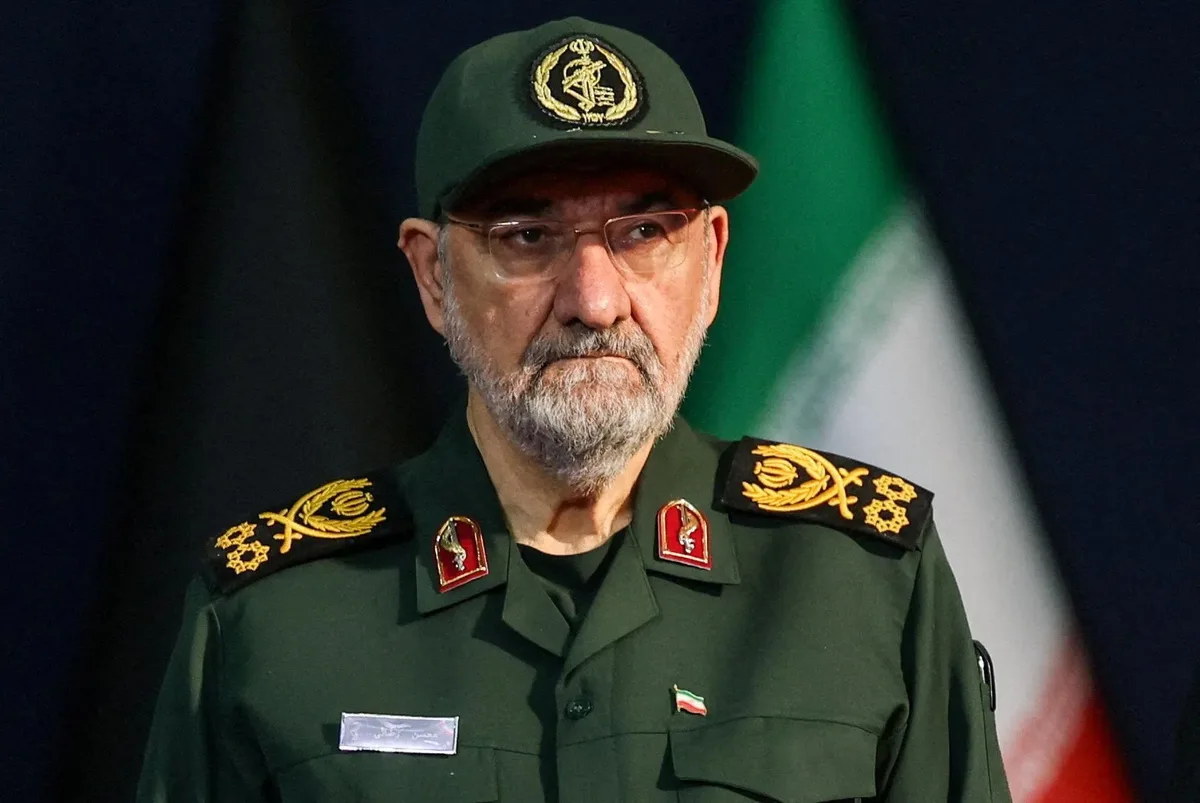
Iran appointed former IRGC commander Mohsen Rezaee as secretary of its Supreme National Security Council on August 9, cementing hardliner influence over security decisions [3, 4].
On August 11, Pakistan's defense minister said the US and Iran are close to some form of deal on the Strait of Hormuz, though details remain unclear [5, 8]. However, Iran's hardline conditions and economic challenges suggest the Strait’s reopening is unlikely soon [2, 7, 9].
The US continues its naval blockade with over 20 ships deployed in the Middle East to enforce control of the Strait [6]. The next scheduled date for further negotiations or developments has not been announced publicly.