President Donald Trump signed an executive order on June 3, 2026, that makes it easier to fire approximately 8,000 senior and highly paid federal employees [1, 2, 3, 4]. Most affected workers earn up to $200,000 annually and hold senior roles involved in shaping government policy [1, 2, 3, 4].
The order removes existing job protections for these employees, allowing quick termination if their political views or actions interfere with carrying out lawful administration policies [1, 2, 3, 4]. Scott Kupor, director of the Office of Personnel Management, said the order "provides a mechanism for people in those agencies to be able to be removed effectively at will" if they fail to carry out lawful orders, but called it "not a loyalty test" [1, 3]. Kupor added the mechanism is designed to allow agencies to employ people willing and able to carry out government policy [3].
About 97% of the affected employees are at the GS-15 level or above, near the top federal pay grades [3]. The number impacted—around 8,000—is far below an earlier estimate ceiling of up to 50,000 workers [1, 2, 3, 4].
The order is part of Trump’s broader effort to overhaul the federal workforce, reduce government spending, and remove what he sees as "deep state" resistance to his agenda [1, 2, 3, 4]. Since October 2024, over 348,000 federal employees—about 11% of the workforce—have left government service [1].
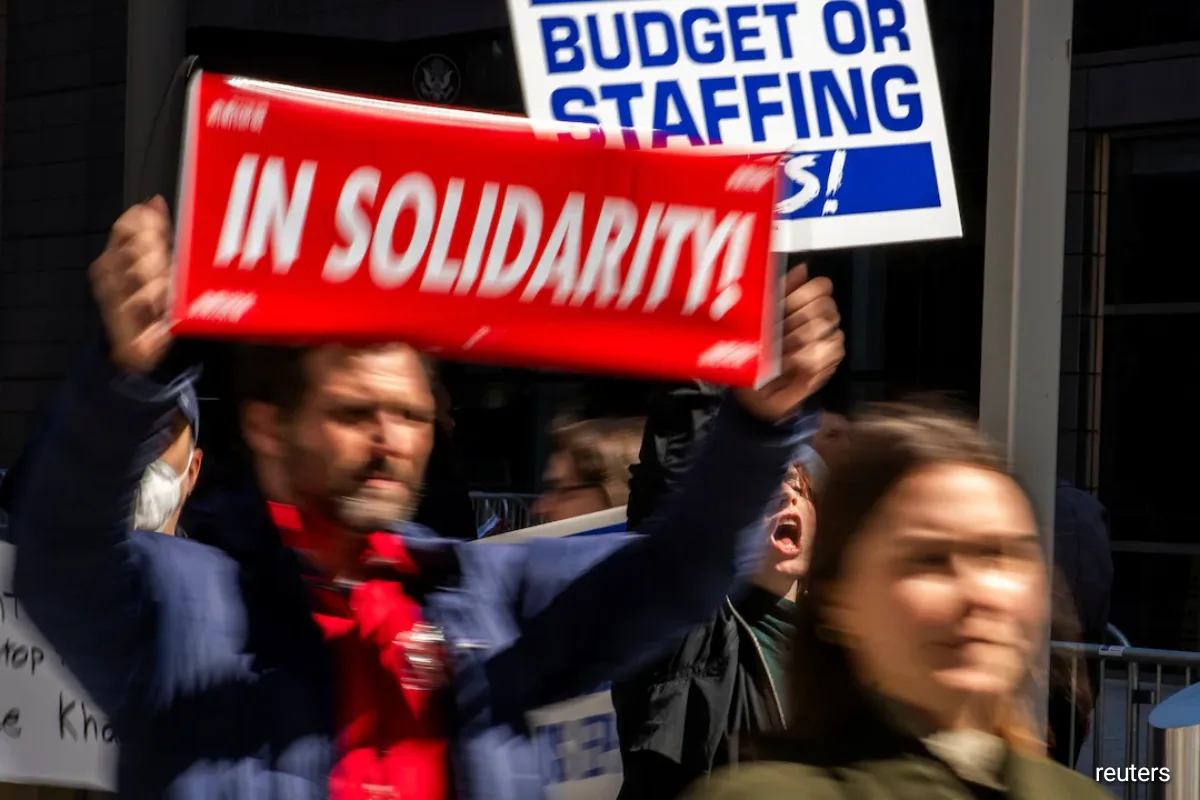
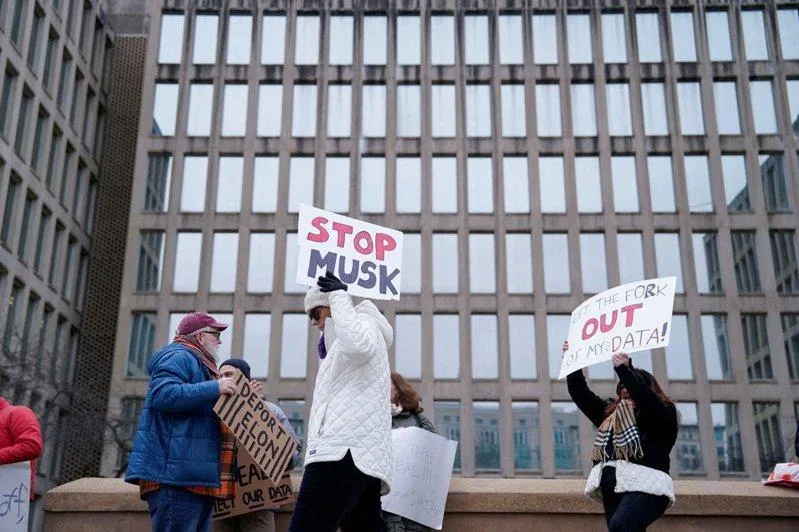
Labor unions and Democratic lawmakers sharply criticized the order, calling it a weakening of civil service protections that could lead to political firing and arbitrary dismissals. Skye Perryman, CEO of Democracy Forward, said the administration "is trying to dismantle civil service protections, making it easier to purge senior federal employees" and predicted ongoing legal challenges [1, 3]. Everett Kelley, president of the American Federation of Government Employees, noted it changes employment categories leading to different personnel procedures under the new system [3].
Federal employee unions filed lawsuits to block the policy in January 2026, but litigation was paused while the administration finalized rules [2, 3, 4].
The Trump administration’s next step involves implementing the executive order and handling pending union lawsuits, setting the stage for further legal and personnel changes in the federal workforce.