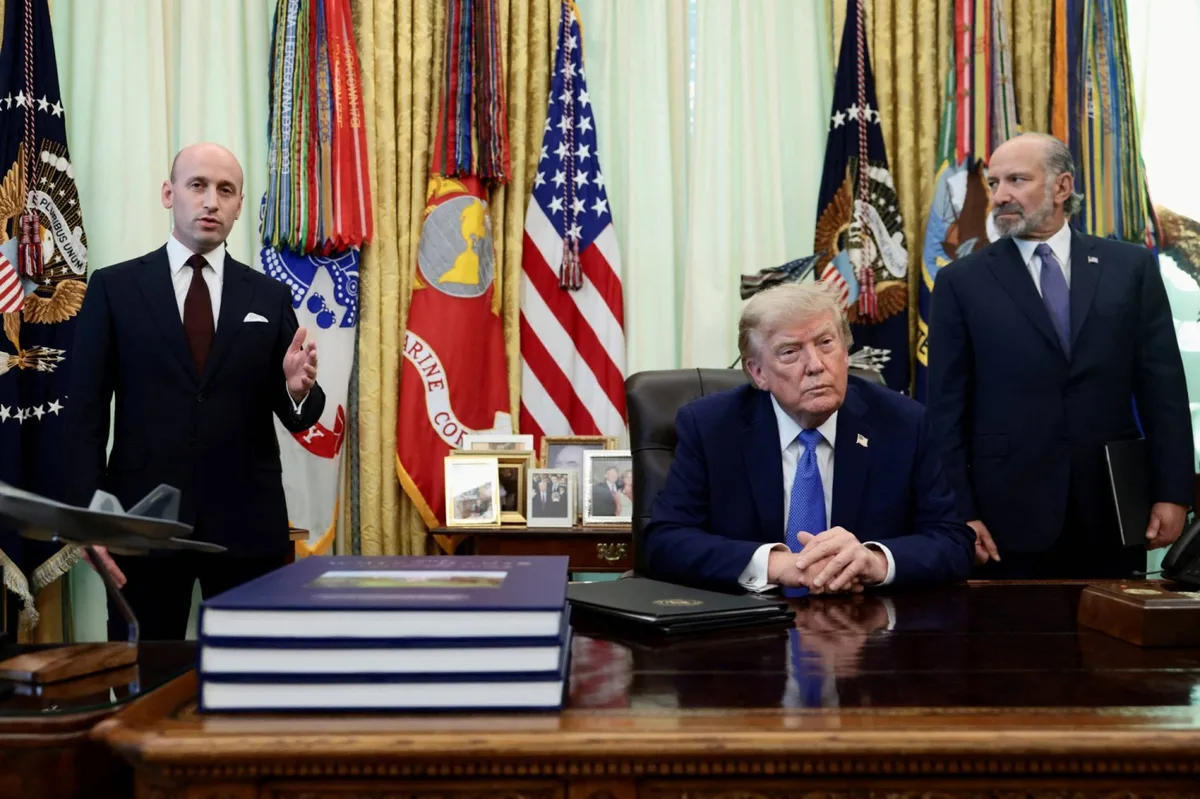
Donald Trump signed two new executive orders on August 6 and 7, 2026, designed to restrict birthright citizenship in the United States by focusing on birth tourism and certain categories of foreign nationals giving birth on U.S. soil [1, 2, 3]. The orders come two months after the U.S. Supreme Court ruled 6-3 in June 2026 to uphold broad birthright citizenship, including for children of so-called birth tourists born in the country [1]. Justice Samuel Alito dissented from the court’s decision, expressing concern that "women who come here solely for the purpose of giving birth" would gain automatic citizenship rights for their children [1].
Trump’s new executive orders are narrower than his first 2025 birthright citizenship order, which attempted to strip citizenship from many Americans born to undocumented or temporary-status mothers, including prominent figures like Vice President Kamala Harris [3]. That initial order was struck down by the Supreme Court in the case Trump v. Barbara earlier this year [3]. Legal experts say the latest orders are likely to face court challenges and doubt they can override the Supreme Court’s existing ruling on citizenship rights [1].
Observers view the August 2026 executive orders as a political test to see if the current Supreme Court justices might reconsider or narrow their broad interpretation of birthright citizenship [3]. The orders specifically target birth tourism, a practice where foreign nationals visit the U.S. to give birth, enabling automatic citizenship for their children under the 14th Amendment [1, 2].
The Trump administration aims to use these orders to limit automatic citizenship to a smaller group than the June Supreme Court majority allowed. However, experts warn the orders face significant legal hurdles due to the court’s recent decisions.
The birthright citizenship debate has been a recurring issue since Trump first issued an order on the matter in 2025. The Supreme Court’s June 2026 ruling maintained the longstanding precedent but left dissenters concerned about potential immigration loopholes [1].
No immediate legal challenges to the new orders have been filed, but court battles are expected given the controversial nature and past judicial setbacks. The next key date will be a likely early court hearing if opponents swiftly move to block enforcement of the August orders.