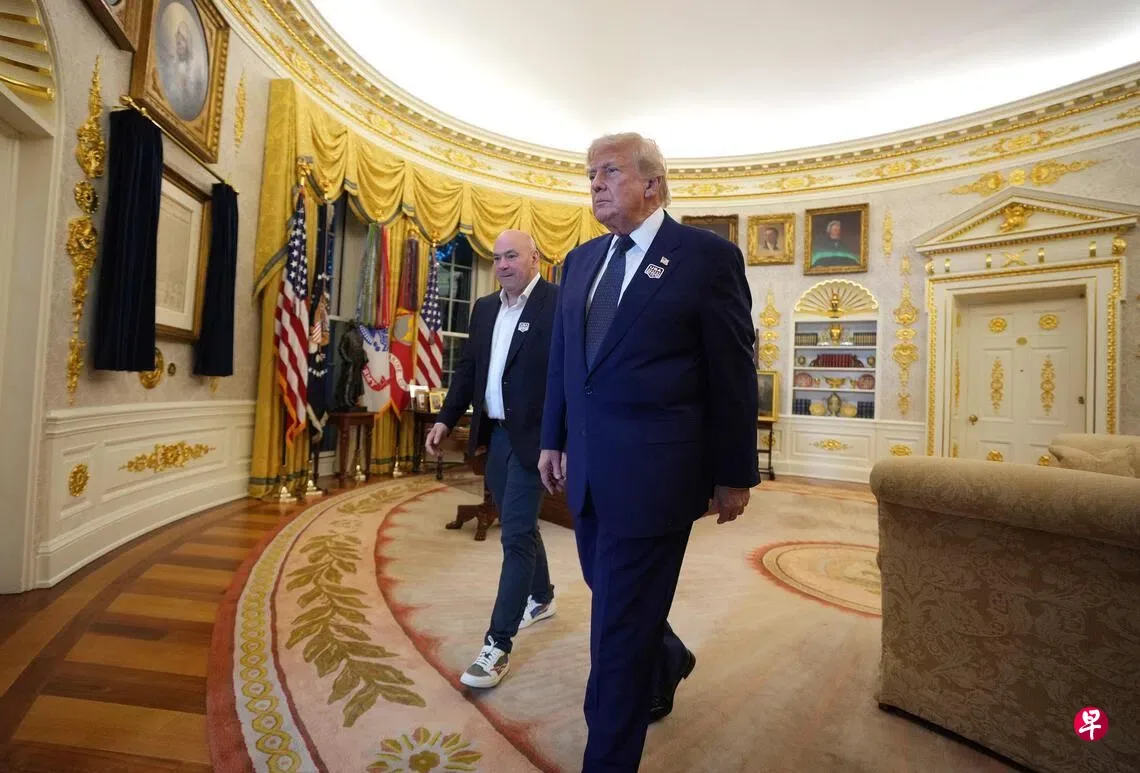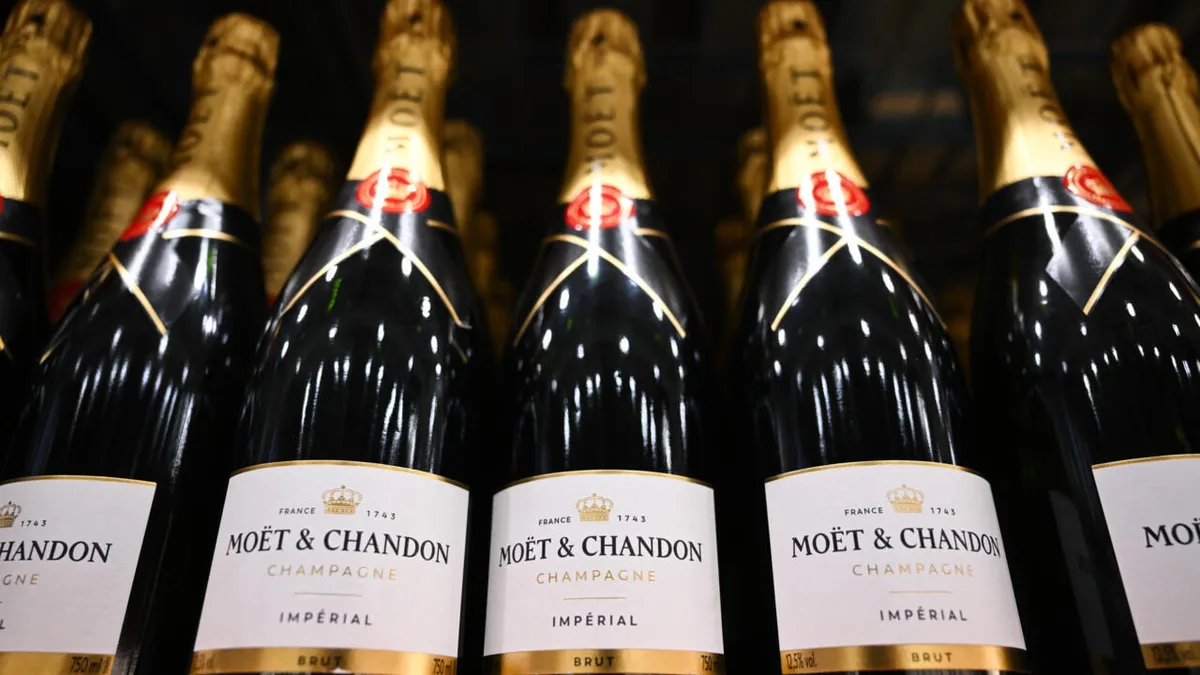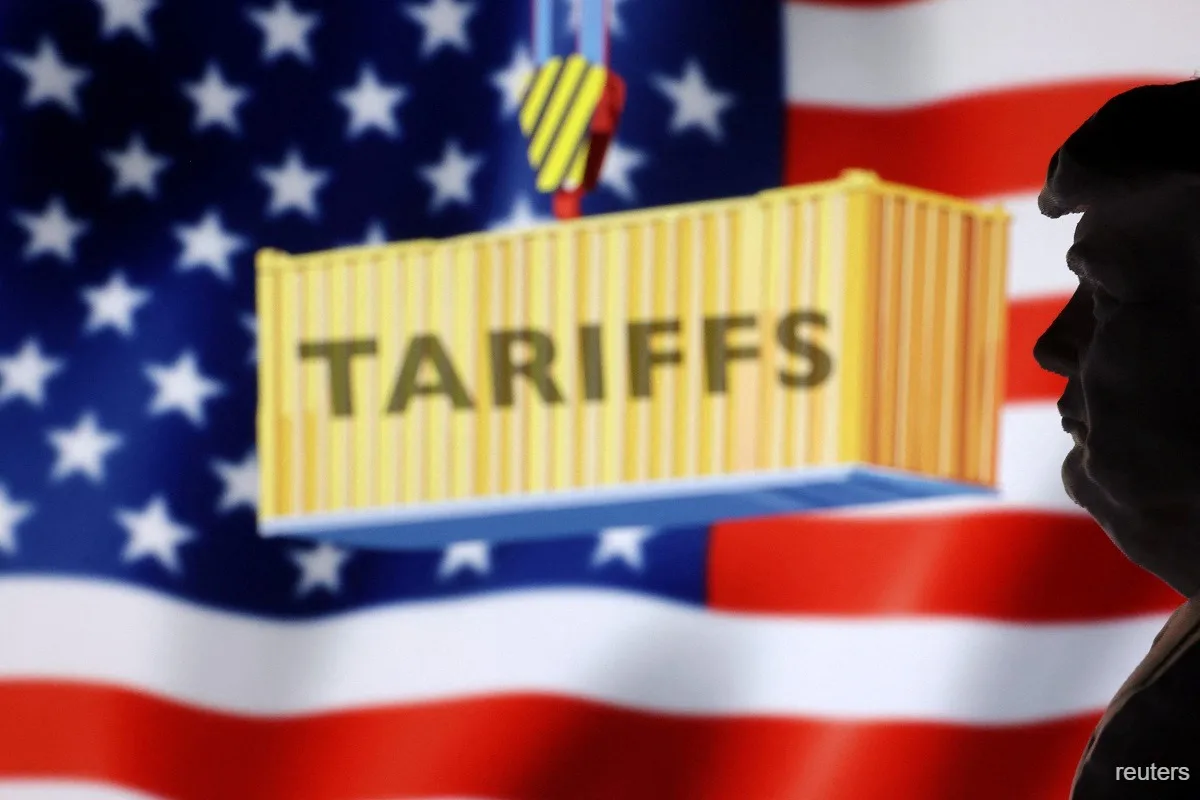
US President Donald Trump warned French President Emmanuel Macron on June 15 that the US will impose a 100% tariff on all French wines and champagne if France does not repeal its 3% digital services tax on American technology companies [1, 2, 3, 4, 5, 6, 7, 8, 9]. Trump demanded the tax removal directly in a call, saying, "If they do, I have no choice but to charge a 100 per cent tariff on all champagnes and all wines coming out of France" [2, 6].
France imposed the 3% digital services tax in 2019, targeting large tech firms with revenue over €25 million in France and €750 million globally. The tax mainly affects US companies including Facebook (Meta), Amazon, Apple, and Google (Alphabet) [1, 2, 3, 4, 5, 6, 7, 8].
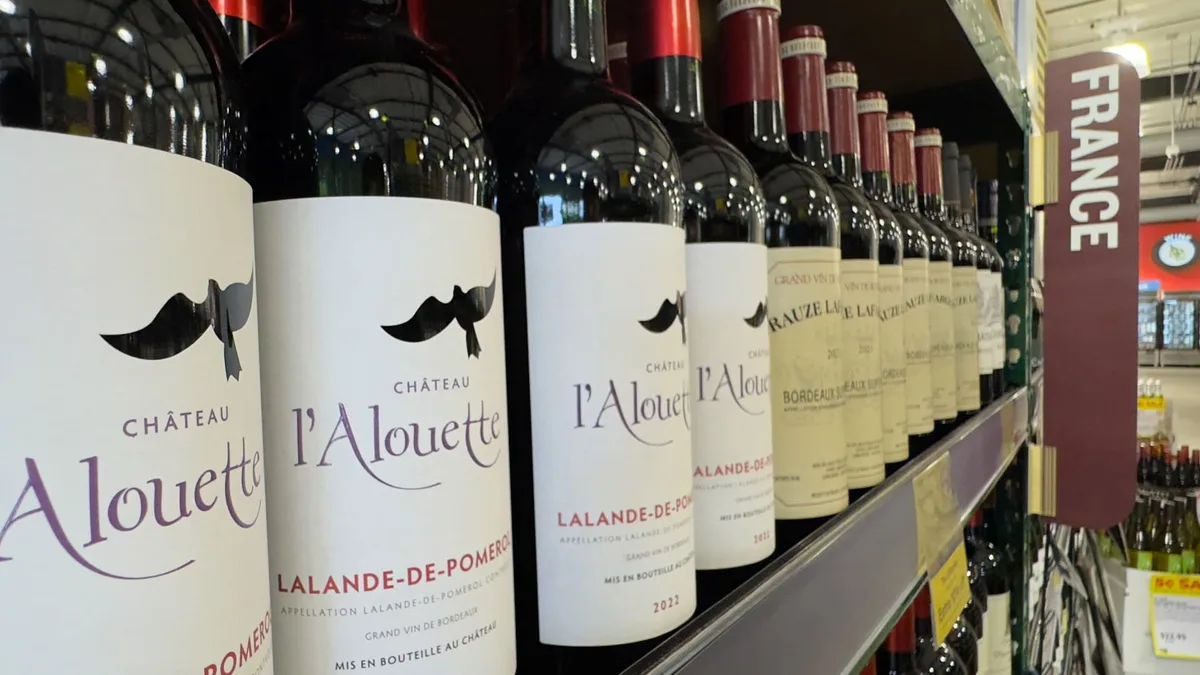
The US is France's largest importer of wines and spirits, making up about 21% of French exports last year. French and EU wines currently face a 15% tariff in the US, up from 10% previously [3, 4, 6, 7]. However, exports of French wines and spirits to the US fell by 21% in 2025, according to the French Federation of Wine and Spirits Exporters [3, 6, 7]. Gabriel Picard, president of the federation, called Trump's tariff threat "bad news for our highly export-orientated sector" and urged for a balanced trade relationship with the US [6, 7].
Trump previously threatened tariffs up to 200% on French wine and alcohol in January 2026 and March 2025 amid trade tensions [2, 3, 6, 7]. Meanwhile, French President Macron has stood firm on maintaining the digital services tax despite US pressure [10].
A February 2026 US Supreme Court ruling blocked Trump's use of emergency powers to impose global tariffs, complicating any immediate tariff action on French wines. Legal alternatives may take months to implement [10]. Canada abandoned its own digital services tax in 2025 after pressure from the US to protect trade talks [3, 6, 7].
The next major event is the upcoming G7 summit where these tensions are likely to be discussed further.