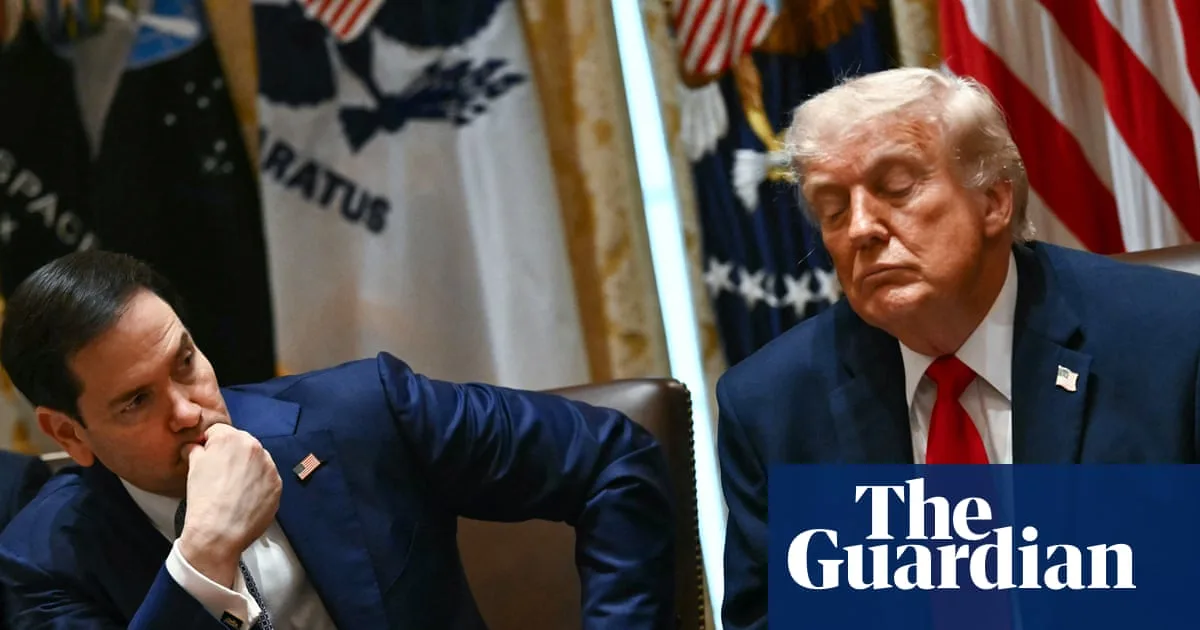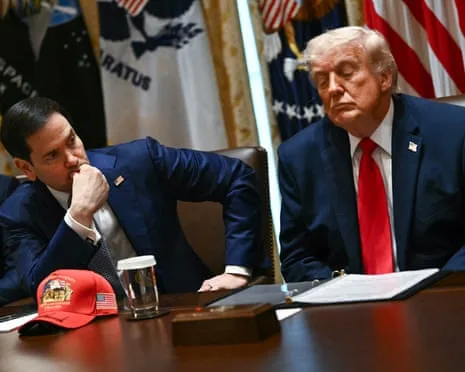
US President Donald Trump threatened to "blow up" Oman if it does not "behave" regarding reopening and control of the Strait of Hormuz during a White House cabinet meeting on May 27 or 28, 2026, amidst reports Oman and Iran were discussing charging tolls on ships passing through the strait [1, 2, 3, 4, 5, 6, 7]. Trump said, "Oman will behave just like everybody else. Or else we’ll have to blow them up. They understand that. They’ll be fine" [1].
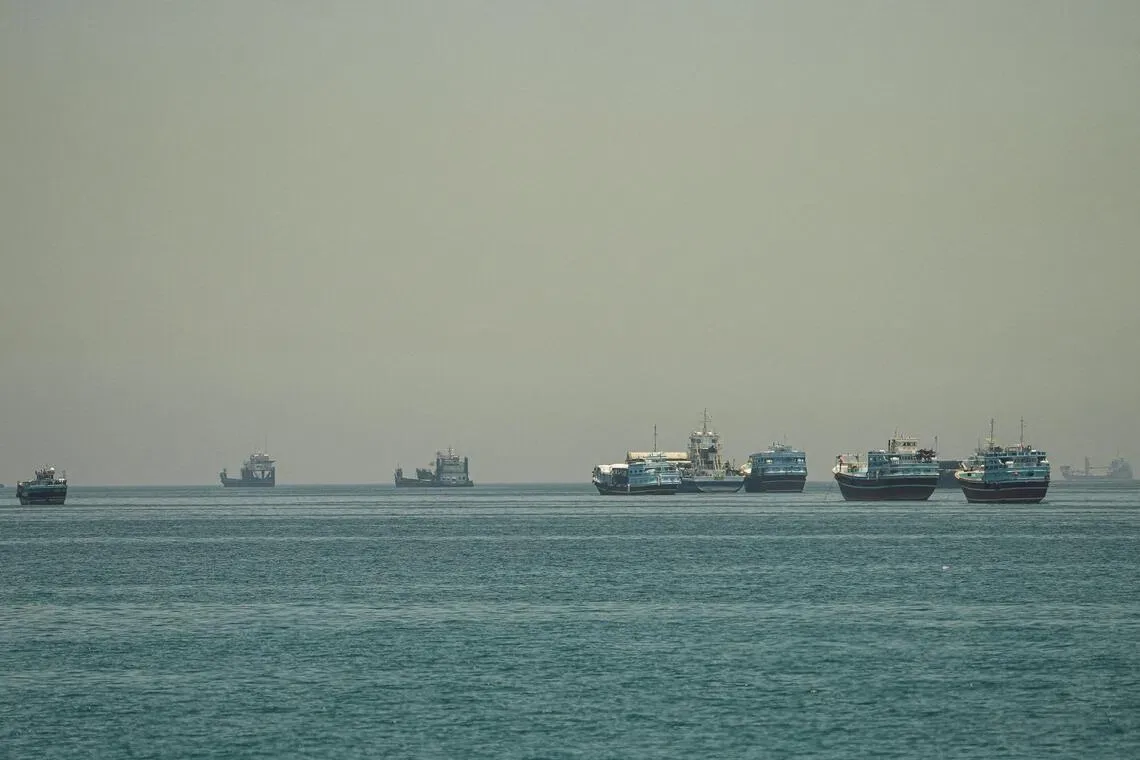
The Strait of Hormuz is a strategic waterway through which about 20% of the world's oil normally passes [1, 2, 4, 5, 8]. Iran closed or blockaded the strait in late February 2026 after US and Israeli attacks on Iran triggered a war [1, 4, 5, 9]. Reports indicate Iran seeks to impose tolls or fees for passage and share revenues with Oman [1, 2, 3, 10, 5]. Oman is a longtime US ally and has acted as a mediator in Middle East conflicts for over 200 years, maintaining strong security and economic ties with the United States [3, 4, 5, 8, 6, 7].
US Treasury Secretary Scott Bessent warned Oman on May 28 that the US would impose sanctions if Oman helps Iran impose tolls in the strait. Bessent said, "Oman, in particular, should know that the US Treasury will aggressively target any actors involved – directly or indirectly – in facilitating tolls for the Strait and any willing partners will be penalized" [11]. He later confirmed to the Omani ambassador that Oman has no plans to impose tolls on the strait [7].
Trump emphasized the importance of keeping the Strait of Hormuz open as international waters, saying, "The strait is going to be open to everybody. Nobody’s going to control it. We’re going to watch over it. We’ll watch over it. But nobody’s going to control it. That’s part of the negotiation that we have" [1, 3, 4, 6]. Analysts note Oman’s role as the "Switzerland" of the Middle East, mediating between conflicting parties due to its geography and history [8].
There is some speculation that Trump misspoke, meaning to threaten Iran rather than Oman, but the US State Department released his Oman threat comment without correction, suggesting he did not error [2, 10, 4, 9]. The comments sparked condemnation from critics calling the threat reckless and unlawful under international law [4].
The crisis escalated from US-Israel attacks on Iran on February 28, which led Iran to close the strait, a key shipping lane [1, 4]. A Pakistan-mediated ceasefire took effect on April 8, 2026, but tensions remain unresolved [6].
US officials are set to monitor the situation closely, with sanctions warnings attached to any attempts to establish tolls. Further diplomatic talks are expected as the US pressures Oman and Iran regarding control over the Strait of Hormuz.