Section 702 of the Foreign Intelligence Surveillance Act (FISA) expired on June 12, 2026, after Congress failed to pass a renewal bill before the deadline [1, 2, 3, 4]. This provision allows US intelligence agencies to collect communications of foreigners outside the United States without individual warrants, though Americans' communications may be incidentally collected when they contact targets abroad [1, 2, 3, 4, 5, 6].
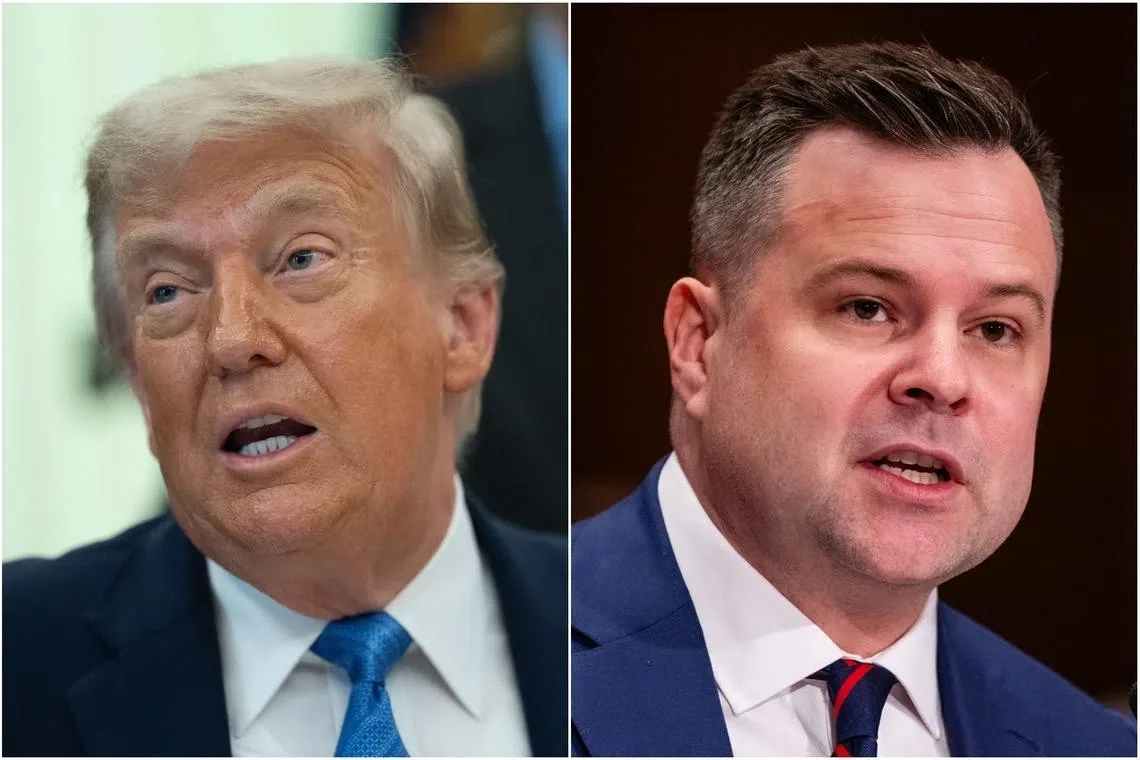
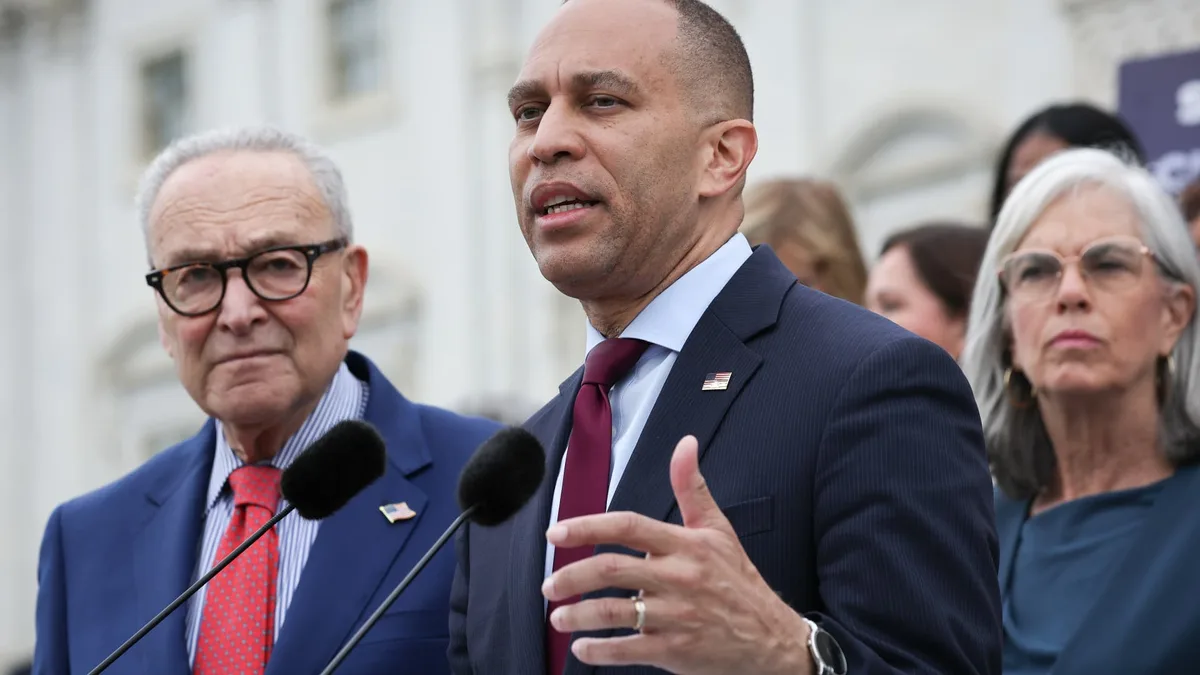
The law's renewal collapsed after the House voted 198-218 against a short-term extension on June 11, with 19 Republicans joining Democrats in opposing it [3, 7, 8, 9]. Congressional Democrats refused to support the extension while Bill Pulte served as acting Director of National Intelligence (DNI). Pulte, appointed by President Donald Trump, is a major Republican donor and head of the Federal Housing Finance Agency but lacks national security experience [1, 3, 7, 6, 8, 9]. Senate Minority Leader Chuck Schumer said "Pulte has to go. He cannot be in the DNI role. It’s too important" [3]. House Minority Leader Hakeem Jeffries called Pulte's appointment "highly irresponsible" due to his lack of security background and criticized his alleged use of government databases for political purposes [7, 9].
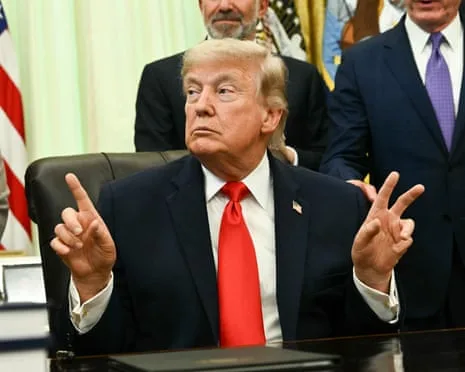
Trump refused to withdraw Pulte despite bipartisan opposition. Democratic Senator Chris Murphy said, "There are no votes for this Bill while Pulte is still in the job" [1]. Trump defended Section 702 on TruthSocial, saying the law is "very important to our Military, and keeping the American People safe, especially during the World Cup and America250 Celebrations" and warned, "If nothing is done, this important Law will expire this week" [1].
Following the extension failure, Trump announced Jay Clayton, former SEC chairman, as his permanent nominee for DNI [2, 3, 10]. The law’s expiration took effect despite existing Foreign Intelligence Surveillance Court (FISC) certifications allowing Section 702 surveillance to continue without new legislation until March 17, 2027, according to some sources [4]. However, other sources maintain the surveillance powers expire with the statute on June 12 [1, 2, 3, 7].
Democratic Senator Mark Warner blamed Trump, stating, "This is not my side’s fault. Frankly, it’s not the Republican Senate’s fault. This president owns if 702 goes dark" [1]. Jason Pye of the Due Process Institute noted, "If Bill Pulte had never become part of the conversation, many of the underlying concerns about section 702 – if not all of them – would still exist" [2].
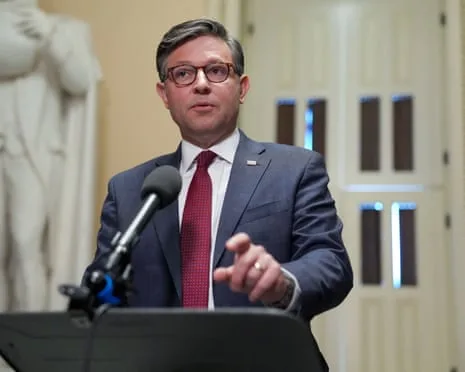
The US House had rejected the short-term extension on June 11, the day before the law expired, after Trump publicly urged Congress to pass it while backing Pulte on June 10 [1, 11, 7, 6]. The section 702 repeal removes a key foreign intelligence tool for the US government at least until Congress acts again.
The next major event is the scheduled start of Bill Pulte as Acting DNI on June 19, though his position remains controversial amid ongoing political disputes [1, 11, 6]. Meanwhile, surveillance under existing court certifications could legally continue until March 17, 2027, in the absence of new legislation [4].