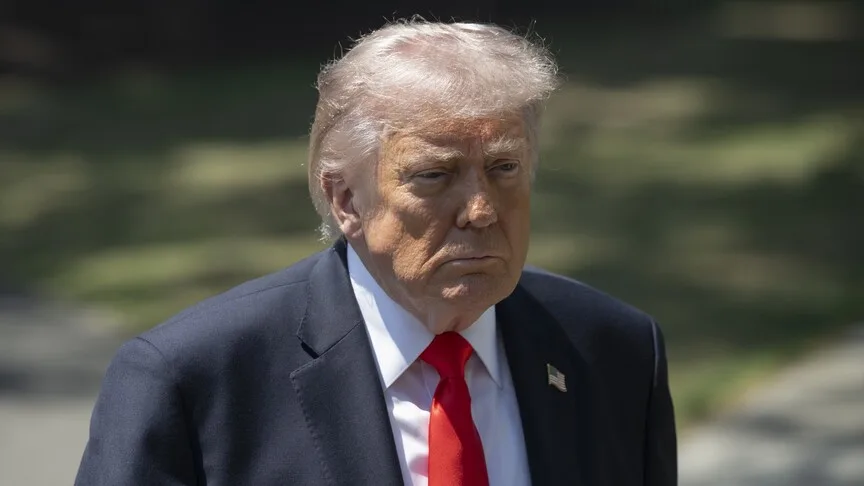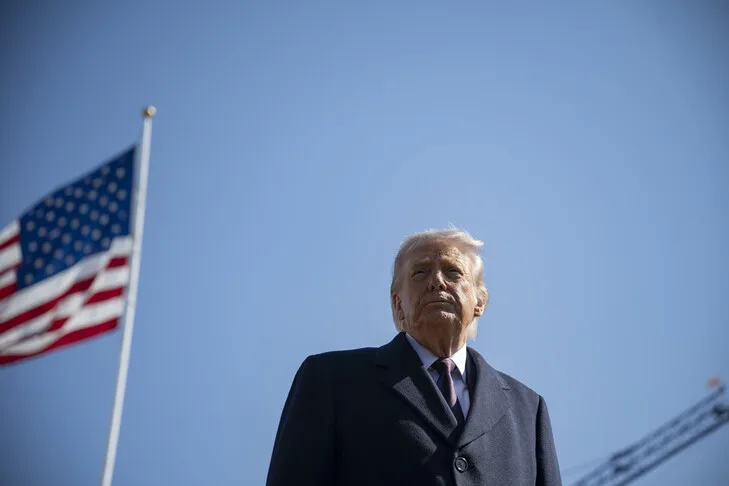
US President Donald Trump said he will not be much more patient with Iran and urged Tehran to reach a deal with Washington, stating, "I'm not going to be much more patient. No, I'm not. They should make a deal." The remarks came in mid-May 2026 amid stalled negotiations over Iran’s nuclear program and conflict tensions in the region [1, 2, 3].
Trump also said Chinese President Xi Jinping offered help to open the Strait of Hormuz and pledged that China would not send military equipment to Iran. "President Xi would like to see a deal made... He'd like to see the Hormuz Strait open," Trump said [1, 2]. The waterway, critical for global oil shipments, was closed after strikes in late February 2026.
A U.S. admiral said Iran's capability to threaten its neighbors and U.S. interests has been dramatically reduced. Despite this, Trump noted uncertainty about whether a deal would come soon, remarking, "I have no idea. If they don't, they're going to have a very bad time. They have an interest in reaching an agreement." [1, 3]
Negotiations have yet to yield results. A ceasefire mediated by Pakistan took effect on April 8, but talks in Islamabad failed to secure a lasting agreement. Trump extended the ceasefire indefinitely while maintaining a blockade on vessels bound to or from Iranian ports through the Strait of Hormuz [3].
The conflict has continued to affect the global economy. The International Monetary Fund warned that ongoing disruptions linked to the Iran war have worsened the global economic outlook [1].
Key events include the launch of U.S. and Israeli strikes against Iran on February 28, 2026, triggering retaliatory attacks and the closure of the Strait of Hormuz. The ceasefire began on April 8, 2026, followed by Trump’s public urging for a deal on May 14-15 and his cautious statements on May 16 regarding the potential for resumed strikes [3, 1, 2].