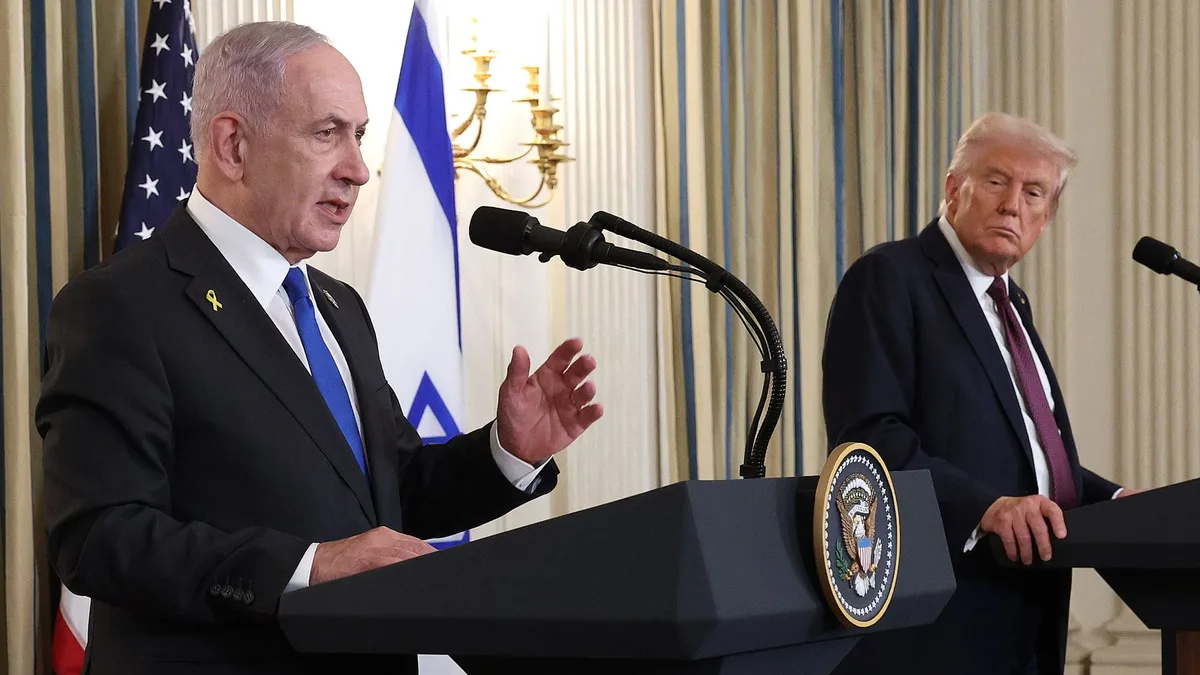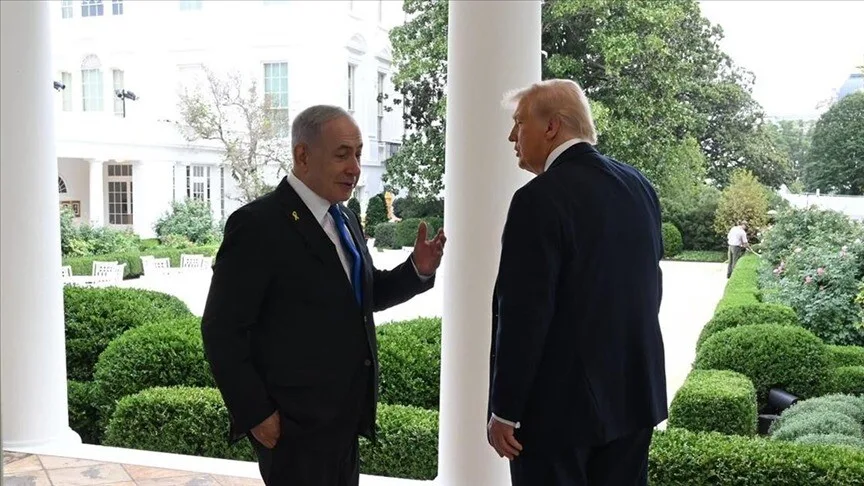
US President Donald Trump told Israeli Prime Minister Benjamin Netanyahu in a phone call on July 14 that Israel should start redeploying its forces from Syria and Lebanon to lower regional tensions. Trump expressed concern that the Israeli military presence in Syrian territory was escalating tensions and could provoke further conflict. "They don't want you there. You should redeploy," Trump said during the call [1, 2].
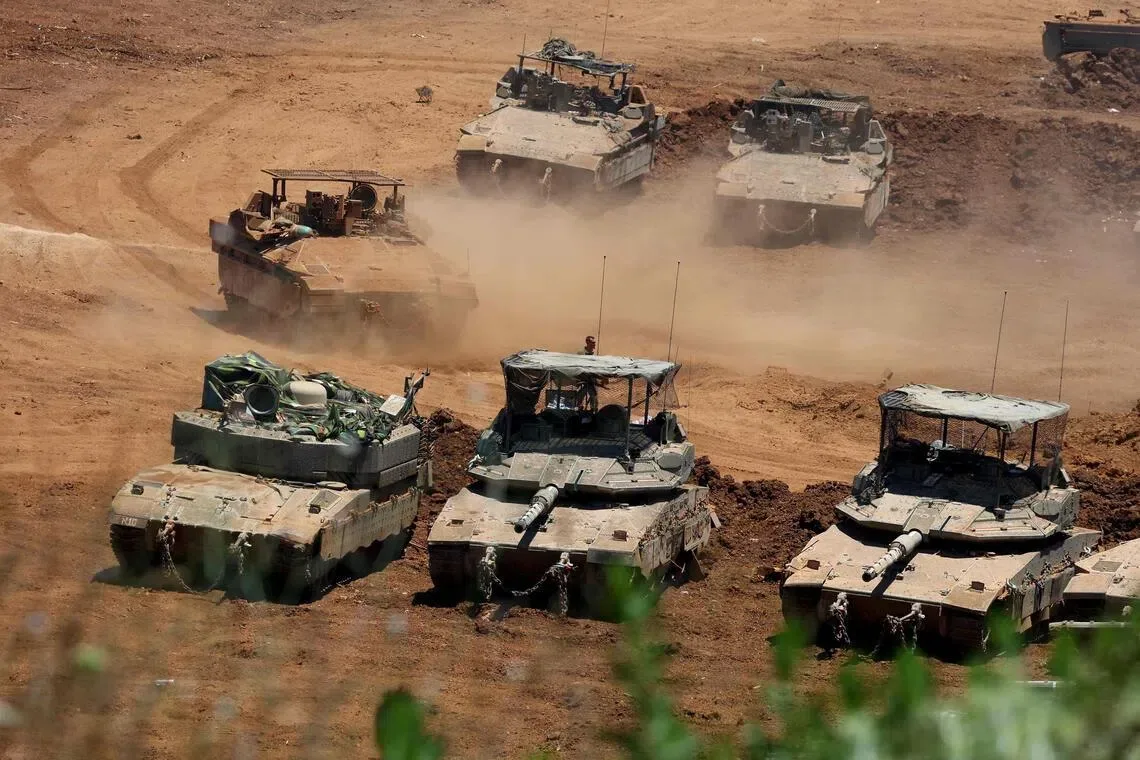
Israel maintains troops within security zones roughly 10 kilometers inside southern Lebanon, in southern Syria including a UN buffer zone on the Golan Heights, and along Gaza, controlling about 60% of the territory perimeter [3]. Since the December 2024 overthrow of Bashar al-Assad, Israel has carried out repeated military incursions and bombings in southern Syria [3].
Netanyahu emphasized Israel's need to maintain security zones along its borders in Syria, Lebanon, and Gaza to protect Israeli communities. Defense Minister Israel Katz stated, "We have never asked the United States to act in our place along our borders" [3].
Israel and Lebanon are engaged in US-brokered talks held in Rome aimed at a steady Israeli withdrawal from southern Lebanon. The fifth round, which concluded on July 15, 2026, focused on withdrawal from two "pilot zones" outside the main security area [3, 1]. These talks seek to pause or reverse tensions with Israel reducing its troop footprint gradually.
The overthrow of Assad in December 2024 was followed by an increase in Israeli military presence in southern Syria as part of security operations [3]. Trump's recent call reflects US concerns over ongoing tensions affecting the broader region.
The continued Rome negotiations between Israel and Lebanon will test how far Israeli redeployments can proceed while maintaining Israel's stated security goals along multiple borders. Future talks are expected to continue as parties seek workable steps toward de-escalation [3, 1].