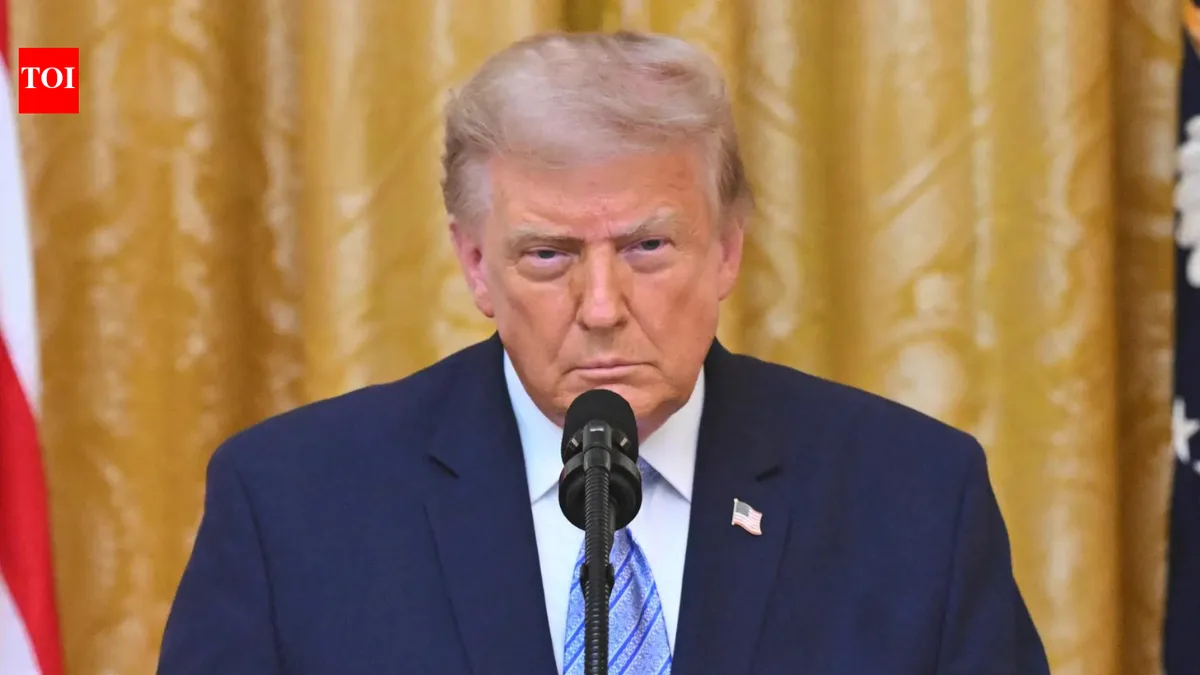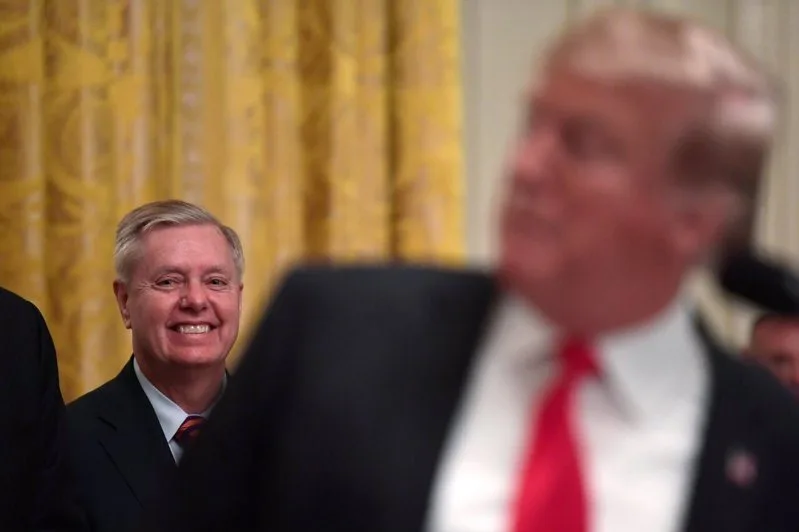
Former US President Donald Trump urged Republican lawmakers on July 19 to add Iran to a bipartisan Russia sanctions bill championed by the late Senator Lindsey Graham. Trump posted on his social media platform Truth Social that "Republicans should add Iran to the Russian Sanctions Bill. That's what Lindsey wanted to do, and it was going to happen. Important!!!" [1, 2]
The legislation, named the "Senator Lindsey O. Graham Sanctioning Russia Act of 2026," targets countries purchasing Russian oil and gas, imposing tariffs of up to 100% on top buyers and secondary sanctions on those using Russia's so-called "Shadow Fleet" to evade sanctions. Over 60 senators from both parties back the bill, which refines tariff authority toward targeted measures rather than blanket tariffs [1, 3, 4, 5, 2, 6].
Iran relies heavily on oil exports like Russia for foreign currency, making the proposed addition significant. The bill also targets Russian leadership including Vladimir Putin [7].
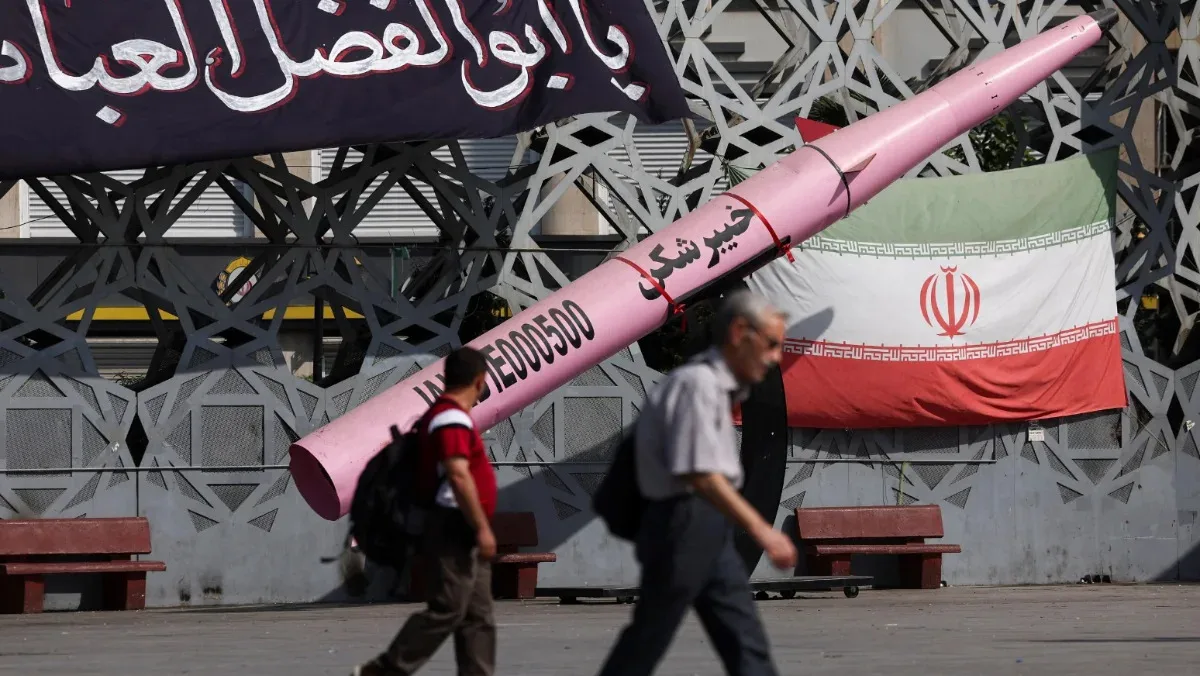
Iran has escalated tensions with the US recently. On July 17, Iranian military advisor Mohsen Rezaei said if the US continues attacks over the next two to three days, Iran will move from retaliatory strikes to full offensive operations against US military bases and personnel abroad. He warned, "Iran will no longer limit itself to retaliatory responses but switch to a phase of full offensive actions" [7].
Meanwhile, about 30 US aerial refueling tankers and other military aircraft have deployed to Israel in preparation for broader operations against Iran [7, 6].
The bill’s introduction comes as Houthi rebels continued missile and drone attacks on Saudi airports amid regional conflict on July 13, and ongoing worries about China’s future blockade strategy on Taiwan voiced by US Senator Tammy Duckworth on July 16 [7, 6].
The next step is congressional consideration of the sweeping sanctions bill, now seeking to incorporate Iran. Lawmakers will debate the implications of expanding the sanctions amid rising US-Iran tensions and regional conflict.