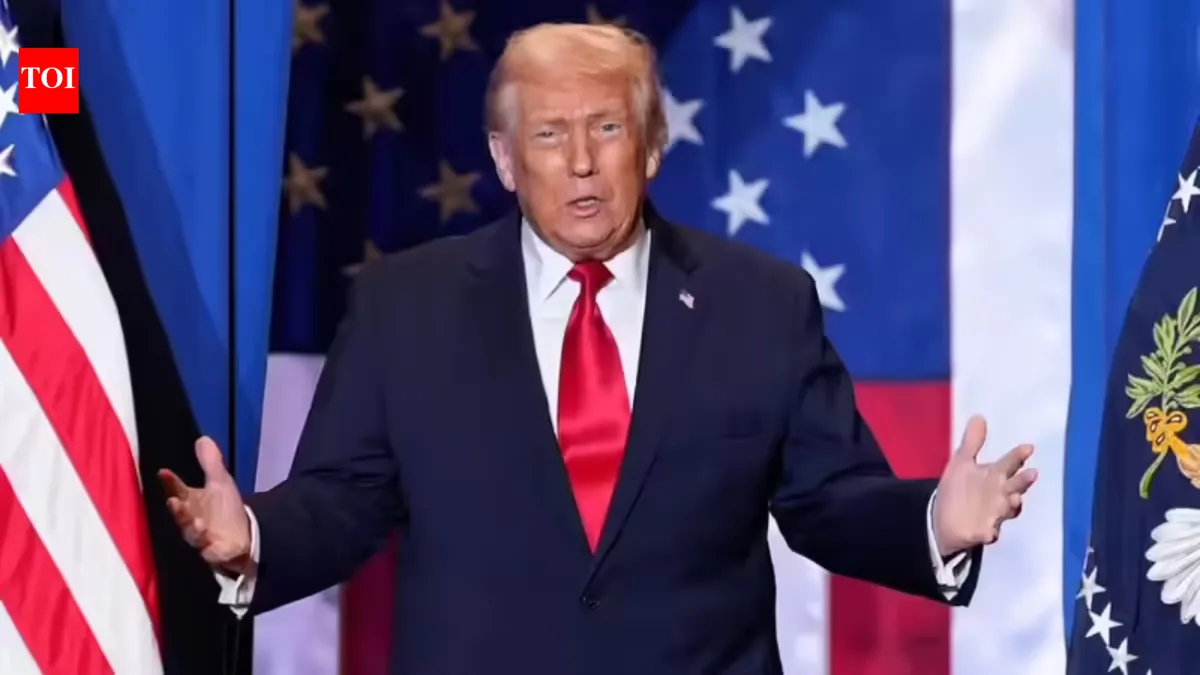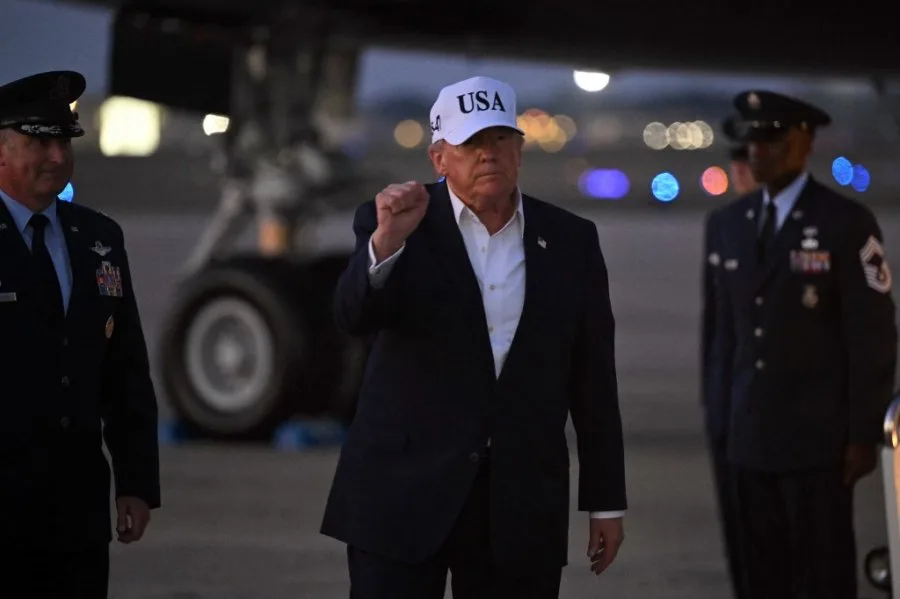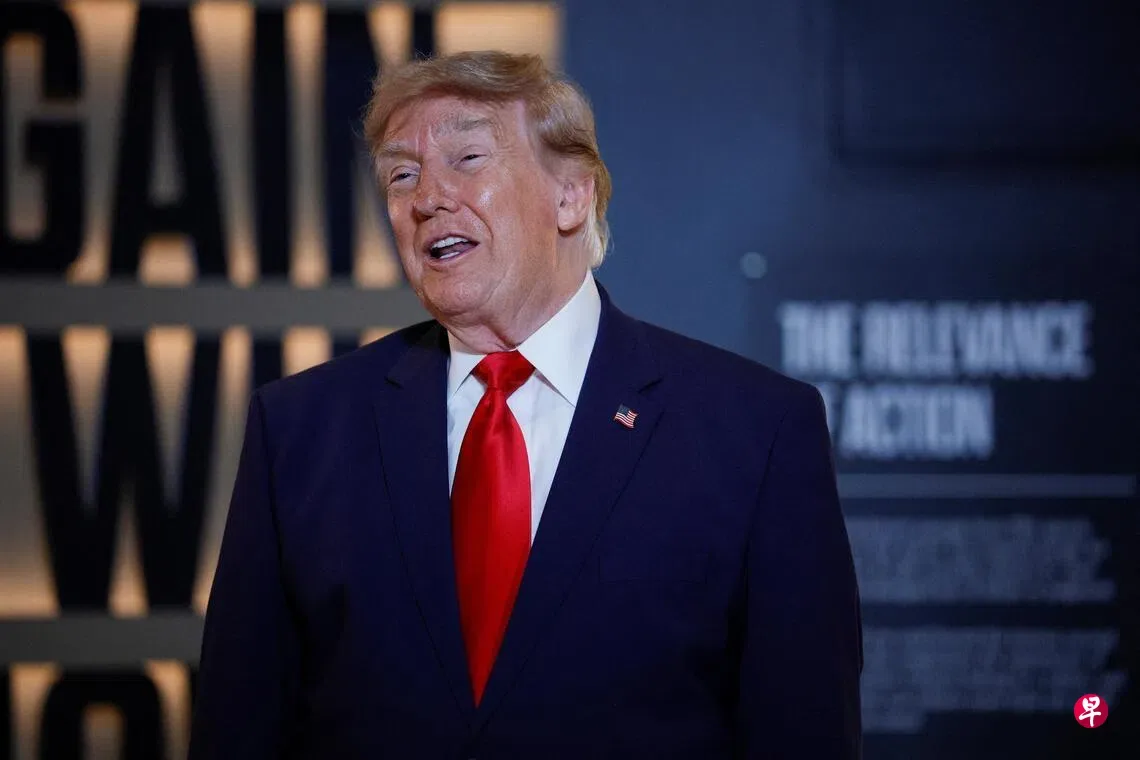
US President Donald Trump declared on July 1, 2026, at the Theodore Roosevelt Presidential Library opening that the United States will never allow China to assume control of the Panama Canal. "现在中国正试图接管巴拿马运河,我们绝不会让它得逞," he said, emphasizing his stance against Chinese influence over the key waterway [1]. He repeated this warning with similar wording in English, stating, "And now China's trying to take over the Panama Canal, and we're not going to let that happen, okay?" adding that this was unexpected in his speech because "I don't really have a script because this thing doesn't work" [2].
Trump criticized the US decision to transfer the Panama Canal's control to Panama in 1999 under the Torrijos-Carter Treaties. He called the move "stupid," criticizing Panama for raising ship transit fees four times initially, and then imposing two additional increases, all while maintaining full shipping traffic. "All they did was make tremendous amounts of money for years and years," he said, pointing to Panama's revenue gains without losing business [3, 2].
The US-Panama tensions escalated after Panama's Supreme Court ruled in January 2026 that the operating contracts for two Panama Canal ports held by Hutchison Ports were unconstitutional. Panama assumed control over these ports in February 2026, prompting friction with China and triggering regulatory investigations due to Hutchison being a Hong Kong-based company [1]. This context likely informs Trump's warnings about Chinese influence over the canal.
Trump also mentioned holding a conversation with an artificial intelligence hologram of Theodore Roosevelt during the library event, highlighting the historical symbolism of US control over the canal [1, 3]. During the speech, he compared the Panama Canal issue to past US military actions in Iran and Venezuela, implying consideration of forceful measures to regain control from China or Panama [3].
Additionally, Trump used the occasion to criticize recent US Supreme Court rulings on birthright citizenship and praised a June 29, 2026 decision that expanded presidential authority to remove executive officials, overturning a 91-year-old precedent. "You know, a little while ago, not in yesterday's decisions where we actually..." he remarked, referring to this new power [2].
The warnings and accusations come amid ongoing geopolitical tensions linked to strategic infrastructure in Latin America. The next major event is congressional briefings planned in August to address US policy on the Panama Canal amid rising Chinese and Panamanian involvement.