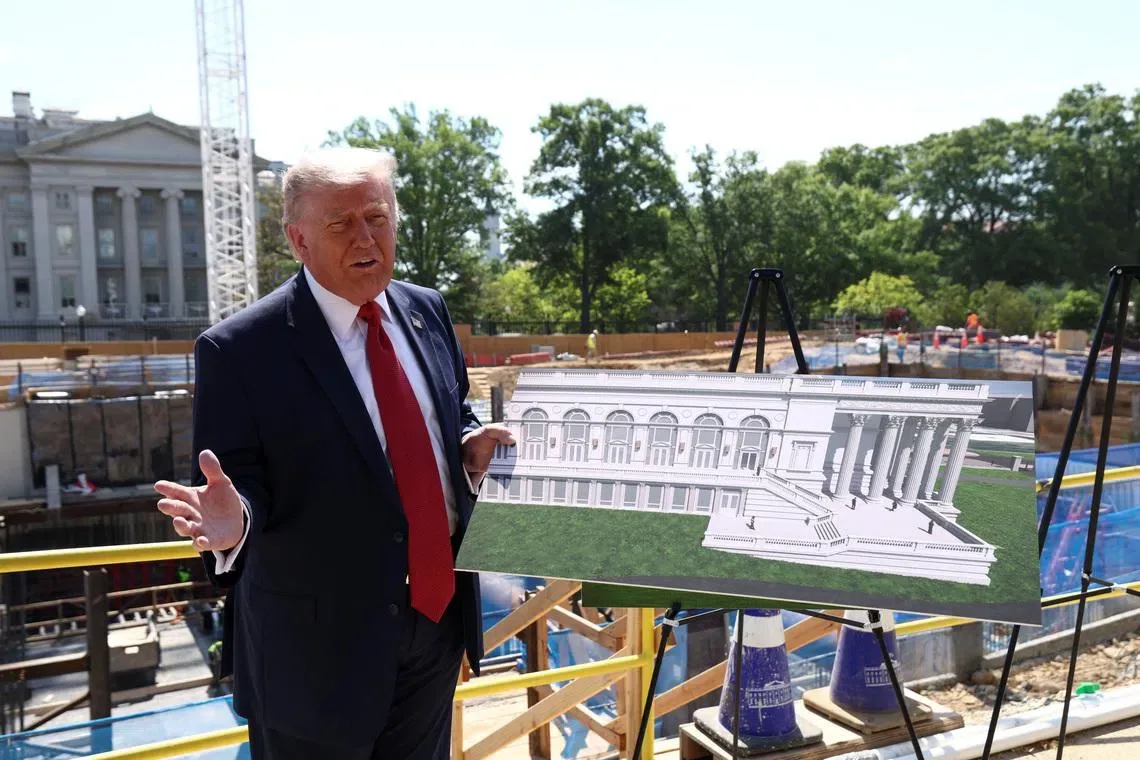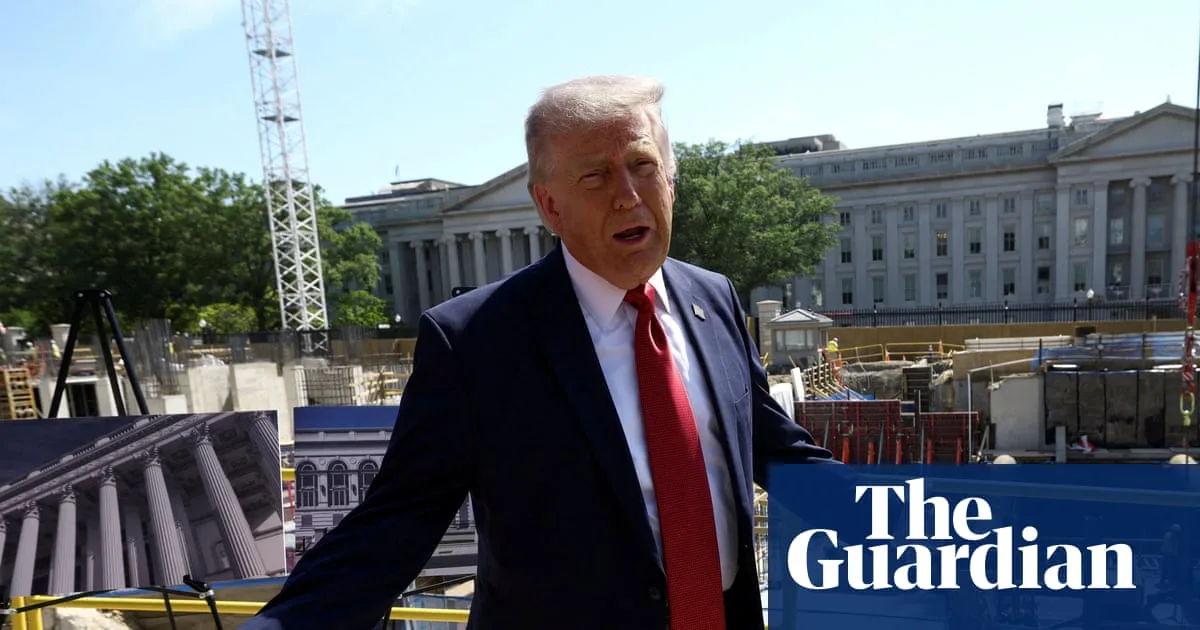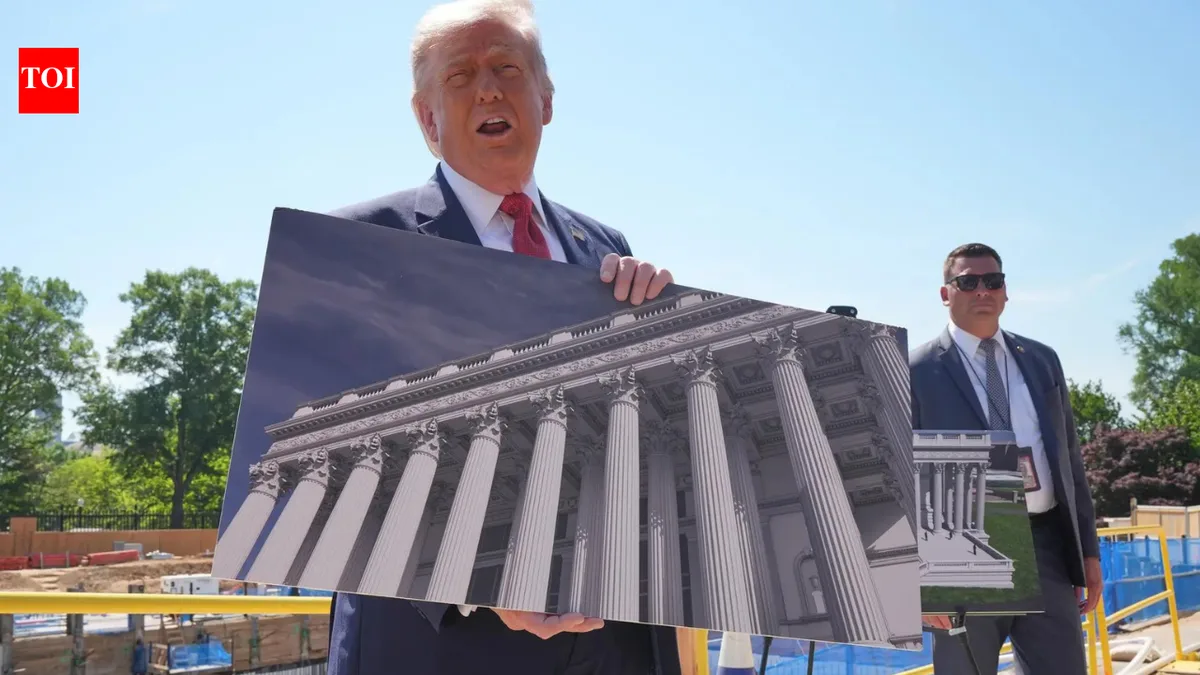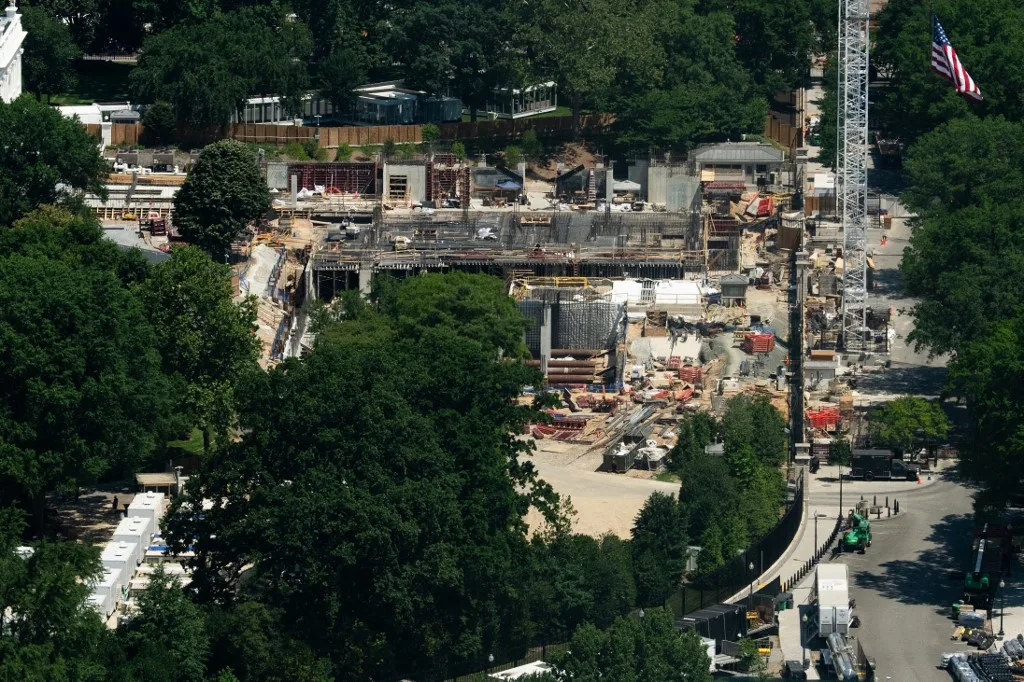
The White House ballroom project, started in 2025 under Donald Trump's administration, replaced the historic East Wing without consulting Congress [1, 2, 3, 4]. The new 90,000-square-foot ballroom is part of the so-called East Wing Modernization Project, which officials say includes enhanced security features such as drone-proof design, drone ports, and underground military hospital and research facilities [2, 5, 6, 7, 8].
Recent contractor estimates put the total cost at $600 million, far exceeding Trump's initial $200-400 million range [1, 2, 3, 4, 6, 7, 9]. Approximately $307 million of that total comes from taxpayer funds, including budgets allocated to the US Secret Service, White House Military Office, and Executive Residence [1, 5, 4, 9]. The remaining $293 million reportedly comes from Trump and private donors [1, 2, 3, 4, 9].
Trump has repeatedly claimed the ballroom is "taxpayer free," asserting, "This is all my money and donors' money," despite evidence of public funding and internal documents indicating a higher overall cost [1, 2, 3, 4, 6, 7, 9]. White House spokesperson Davis Ingle said, "President Trump and generous American patriots are funding the ballroom to the tune of approximately $400 million, which will be a secure and appropriate venue for presidents for generations to come" [5]. However, the Office of Management and Budget approved $351.6 million in June 2026 for Secret Service security measures, with critics arguing some of these funds are redirected to the ballroom [5, 8].
Senator Thom Tillis (R-NC) expressed skepticism, saying, "That sounds like a different way to fund the East Wing project. On its face it doesn’t sound right" [5]. Senator John Curtis (R-UT) called for a serious discussion about taxpayer benefits: "If taxpayers aren't paying for it, it's a different bar, but if they're paying for it, we have to have a totally different conversation" [9]. Critics also point out the project conflicts with the 2025 tax legislation, which earmarked funds for Secret Service operations and technology but not construction [5, 8].
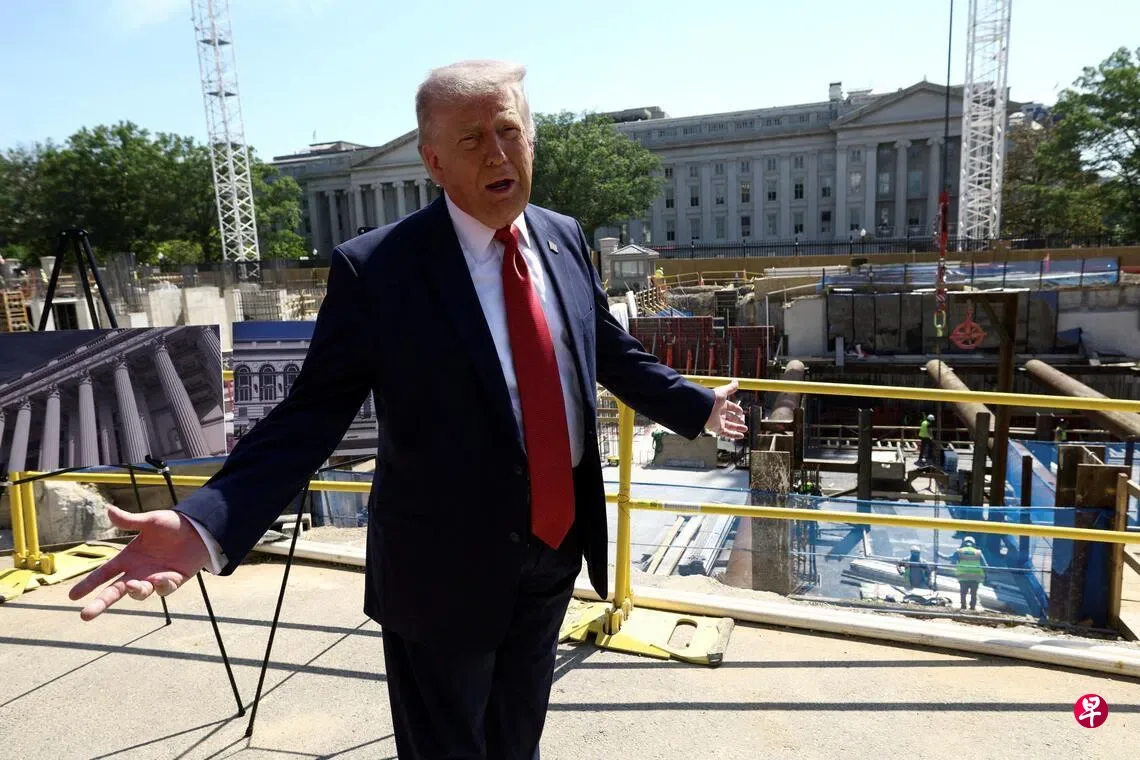
Legal disputes temporarily halted above-ground construction in March 2026, when a judge ordered a stop; the order is currently stayed pending appeal [1, 3, 10, 4]. Trump toured the site in May 2026, again reiterating that private donations fully fund the ballroom [1, 3, 6]. On June 16, 2026, The Washington Post revealed the $600 million total with over half from public funds [1, 2].
Funding controversies come amid Democrats criticizing the lavish expenditure during widespread cost-of-living struggles, while some Republicans worry the issue may affect midterm elections later this year [1, 2, 3, 9].
The next major funding allotment arrived in mid-June, with $340.8 million assigned to Secret Service "Procurement, Construction, and Improvements," plus $10.75 million for "Operations and Support," continuing scrutiny over the use of taxpayer money on the ballroom project [5, 8].