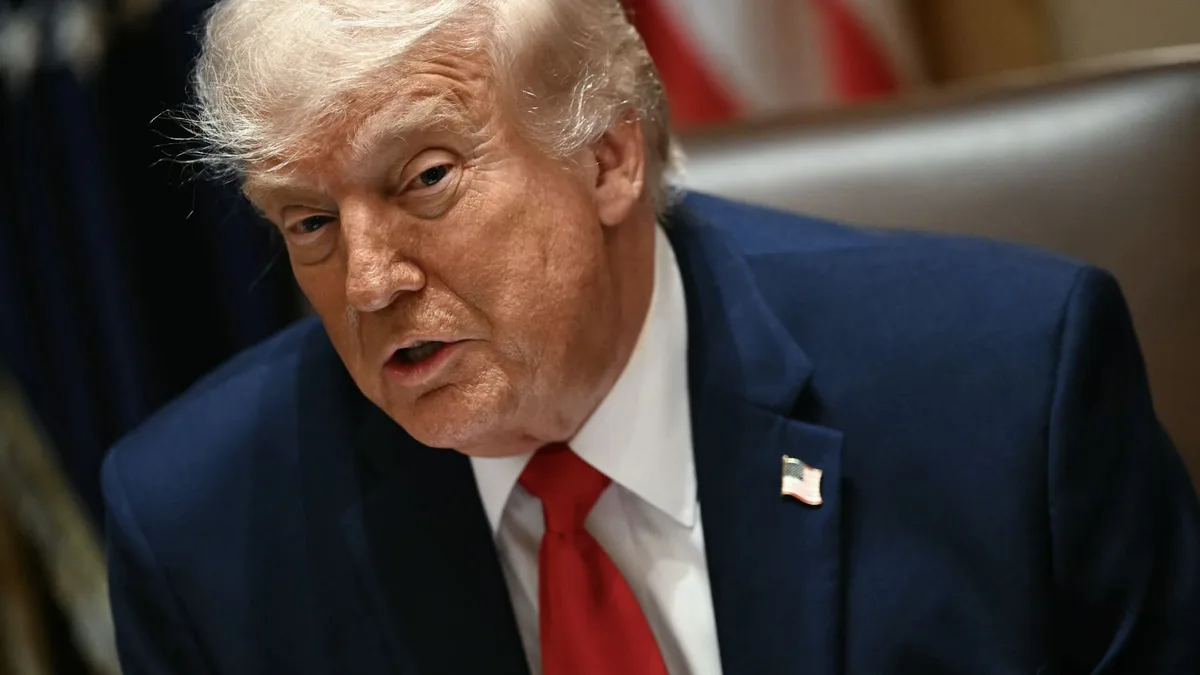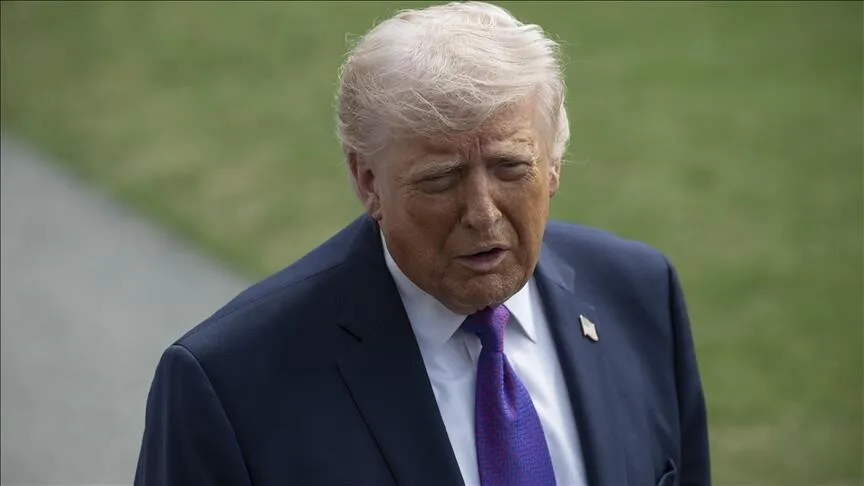
President Donald Trump has told aides he will not end the ceasefire with Iran unless Iranian attacks kill American troops, despite recent hostile actions in the Middle East [1, 2]. The ceasefire between the US and Iran took effect in early April 2026 [2].
Since then, sporadic clashes and missile or drone strikes have continued. Iran launched attacks on US military bases and Kuwait International Airport between June 3 and June 4, resulting in at least one fatality at the Kuwaiti airport [3, 2]. Trump indicated a willingness to endure smaller flare-ups “shooting in a more moderate manner” for weeks or months to avoid broader conflict [3, 2].
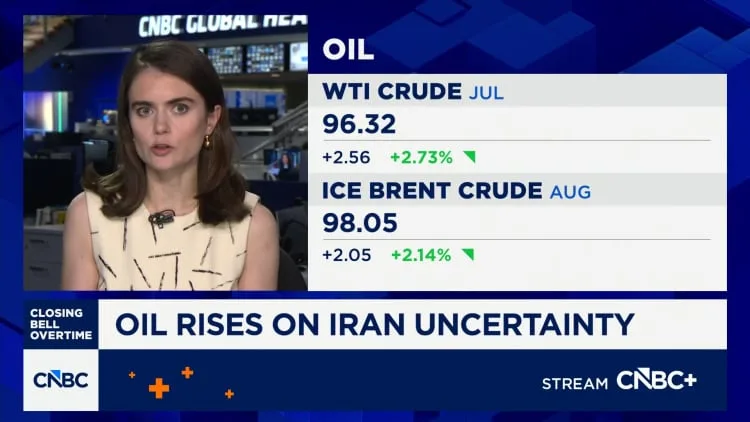
Oil prices responded to the perceived stability, with West Texas Intermediate crude falling 3.5% to $92.64 per barrel on June 4 and Brent futures dropping more than 3% to $94.78 [1]. This drop followed reports of Trump’s reluctance to restart a full-scale war with Iran [1].
Meanwhile, Israel and Lebanon agreed to a ceasefire on June 3 that could help US-Iran talks progress. However, Hezbollah’s independent rocket attacks into northern Israel keep the situation unstable [1, 3]. Israeli Prime Minister Benjamin Netanyahu said, "we have to disarm Hezbollah and we have to demilitarize Lebanon" [1].
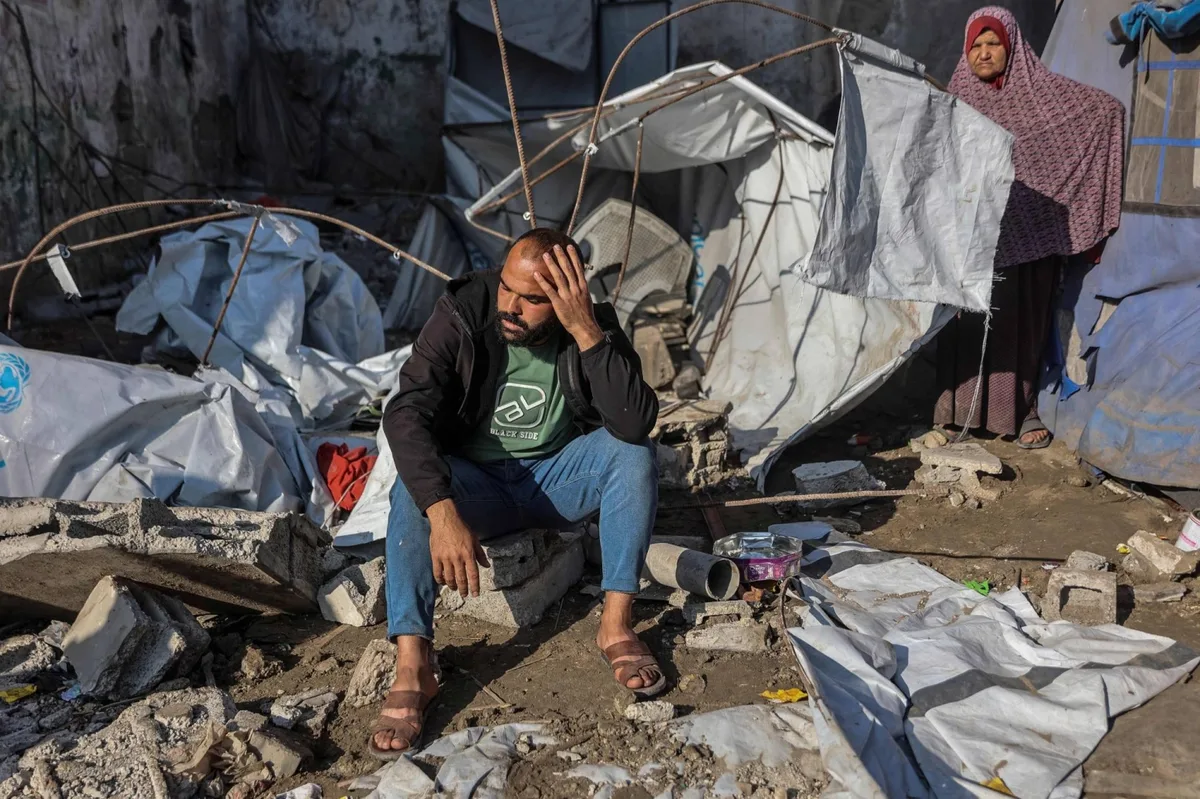
In recent days, Israeli airstrikes targeted Gaza and Lebanon in response to Hezbollah rocket fire, while residents in Gaza, southern Lebanon, northern Israel, and Kuwait continue to experience violence despite the ceasefires [3].
The Strait of Hormuz remains a flashpoint, with Iran restricting commercial transit and the US enforcing a naval blockade on Iranian ports [2]. US Secretary of State Marco Rubio described the reciprocal strikes as defensive reactions, saying, "They are happening in response to an Iranian action. If they don’t shoot at those ships, we don’t shoot, but we have to respond" [2].
Congressional opposition to Trump’s approach is growing, with the House passing a resolution demanding US troop withdrawal or congressional approval for continued conflict [1].
Trump’s threshold to end the ceasefire centers on any Iranian attack that kills American personnel, signaling he is prepared to tolerate lower-level violence in the region in the near term [2].