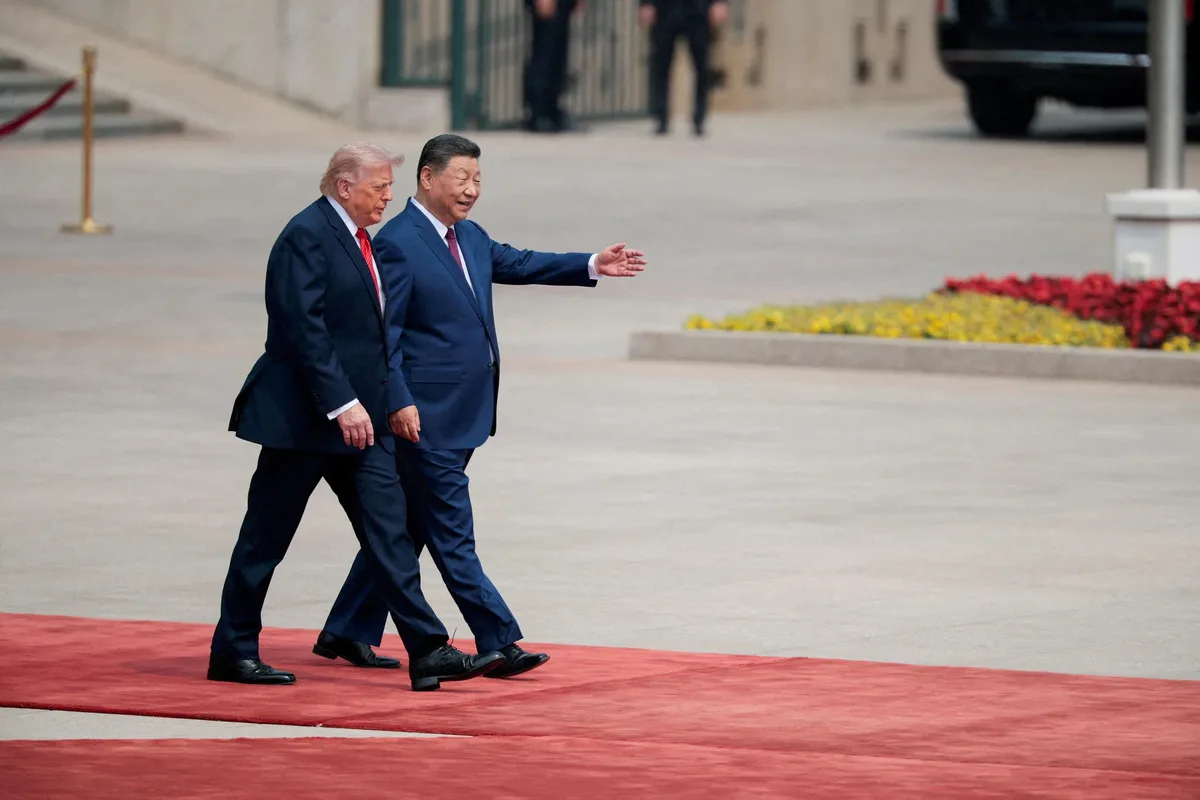
The Trump-Xi summit took place in Beijing from May 14 to 15, 2026, bringing the two leaders together amid strained US-China relations [1, 2, 3, 4]. Chinese President Xi Jinping emphasized China's long history and the need for stability, while US President Donald Trump focused on immediate, limited trade concessions [1, 2, 3].
On the first day, May 14, Trump and Xi visited the Temple of Heaven, where Xi expressed hopes the two countries could avoid the so-called Thucydides Trap, a reference to the dangers of conflict between a rising power and an established one [1, 2, 3].
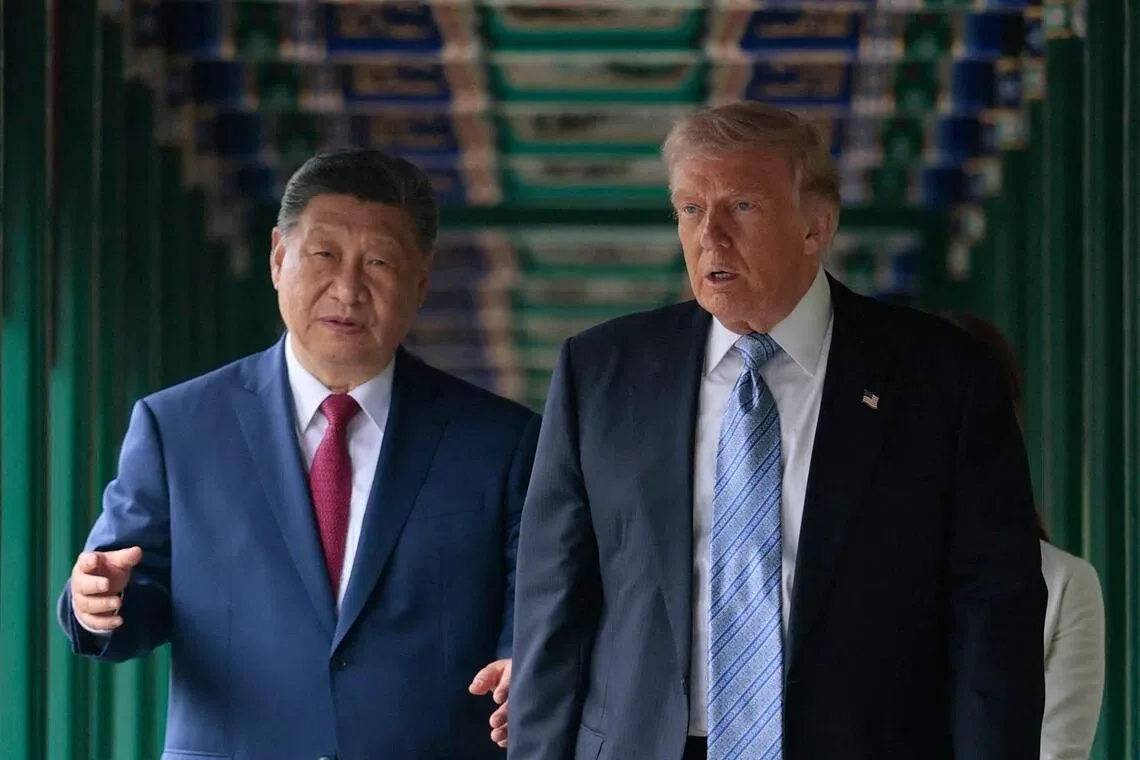
On May 15, Xi took Trump to tour the Zhongnanhai garden, highlighting trees estimated to be 400 years old as symbols of China's enduring vitality and history. "Look at the vitality and history on display!" Xi said, to which Trump responded, "Wow, they can live that long." Xi replied, "Very rarely." These moments showed Beijing’s effort to use cultural symbolism to assert its long-term perspective in contrast to the more transactional US approach [1, 2, 3].
The summit produced tactical concessions for the US, including some limited trade agreements, but there was no shift in the US stance on Taiwan, a sensitive issue for China [1, 2, 3]. Both leaders claimed some form of victory, with Xi securing a new strategic framework for China-US ties focused on managing competition and avoiding confrontation [1, 2, 3]. However, the overall results fell short of any major, fundamental breakthroughs given the divergent national interests [4].
Beijing gave a carefully choreographed showcase intended to portray itself as an indispensable global power balancing its ties with both Washington and Moscow [1, 2, 3].
The summit closed without a definitive resolution to core conflicts but set a framework for continued dialogue. No new summit date has been announced.