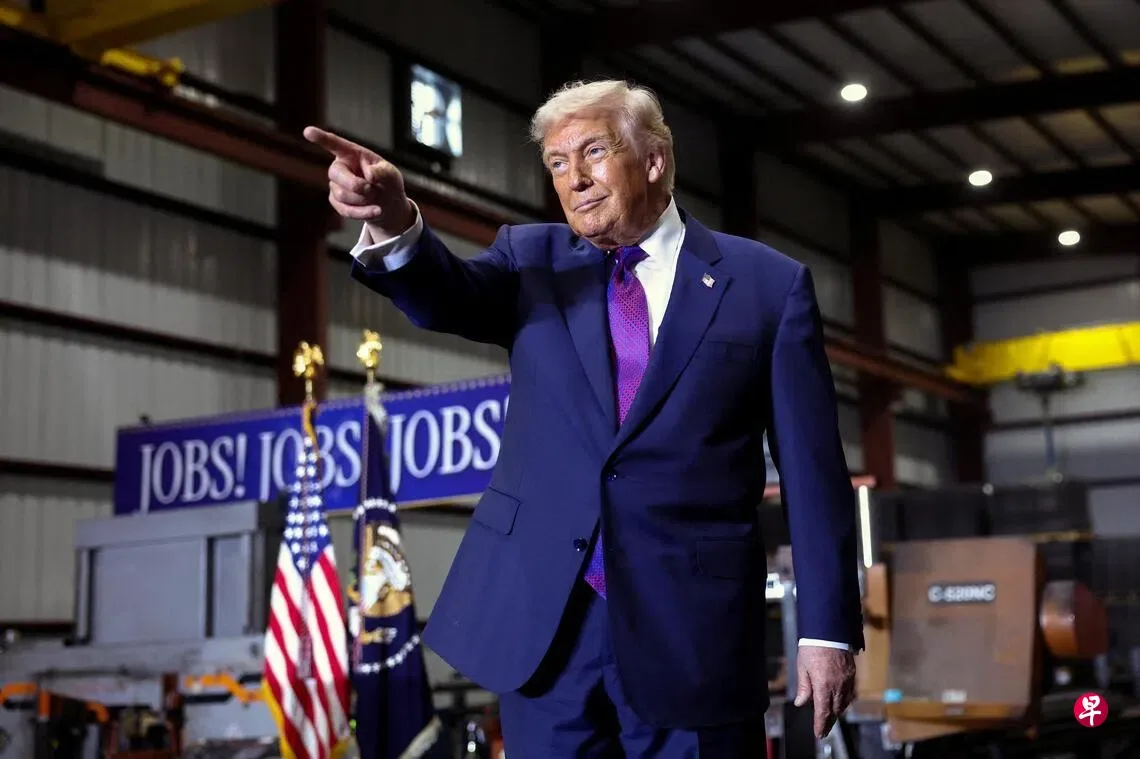
Donald Trump’s approval rating fell to between 34% and 37% in polls conducted in May 2026, approaching the lowest point of his second term since January 2025 [1, 2, 3, 4, 5, 6, 7]. The decline reflects growing voter dissatisfaction fueled by the war with Iran and rising fuel prices.
Trump’s support among Republicans weakened notably, with disapproval rising from 5% in January 2025 to about 21% in May 2026. Meanwhile, Republican approval dropped from over 90% to around 79% [2, 4, 6, 7]. Jeanette Hoffman, a Republican political strategist, warned that "Republicans don’t seem to be as motivated to turn out in midterm elections as Democrats do right now," signaling concerns over voter enthusiasm ahead of November elections [2].
The US-Iran conflict began in late February 2026 when US and Israeli forces launched strikes on Iran, triggering a surge in global oil prices of roughly 50% [1, 2, 3, 6, 7]. US fuel prices increased from about $3.18 per gallon a year ago to roughly $4.52 to $4.55 in mid-May 2026 [1, 8]. The war and rising costs have contributed to disapproval of Trump’s handling of the economy, which stands near 64%, and 68% of voters say Trump prioritizes immigration crackdowns over economic wellbeing [1, 8].
Nearly two-thirds of Americans, including independents and some Republicans, believe the decision to go to war with Iran was wrong [1, 2, 8, 3]. Public ratings are also low on Trump’s management of the cost of living, immigration, and the Israel-Palestine conflict [1, 2, 3, 4, 6].
Trump’s political strategy includes purging dissenters within his party to reinforce loyalty, but that approach risks alienating moderate voters, particularly in competitive districts [9]. Republican strategists flagged concerns that the war and economic fallout may weaken the GOP’s prospects in the upcoming midterm elections [2, 9, 6, 7].
Looking ahead, Trump aims to boost support by seeking to end the Iran conflict, lowering oil prices, and pursuing foreign procurement and investment deals, especially with China [10]. The midterm elections scheduled for November 2026 will test whether these efforts can reverse his declining approval ratings.