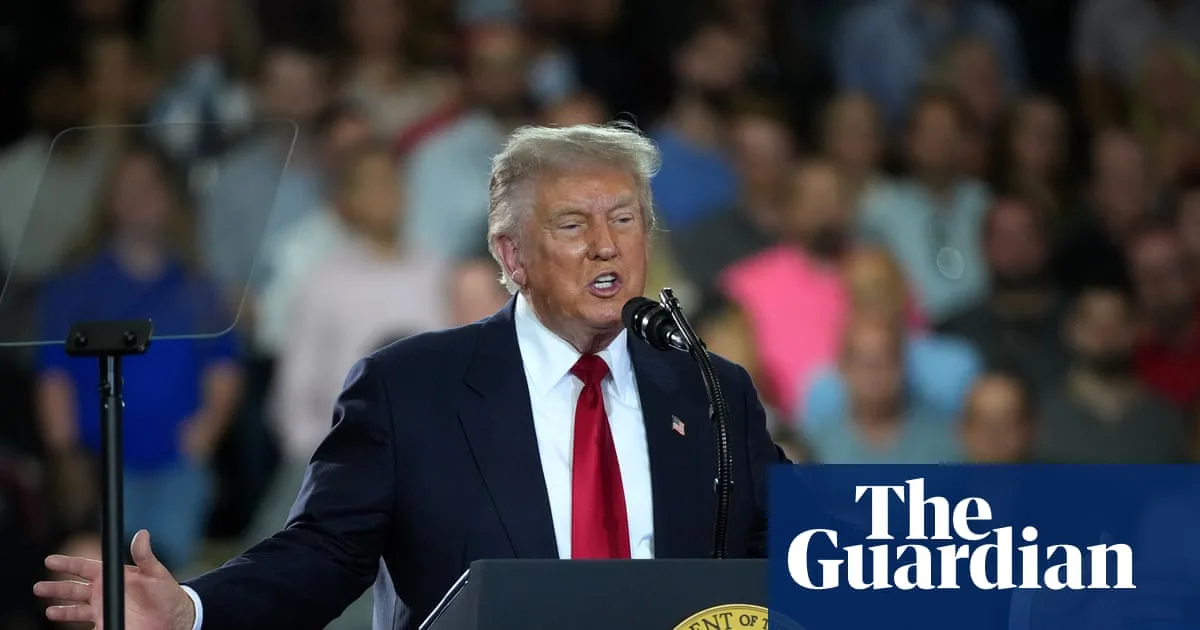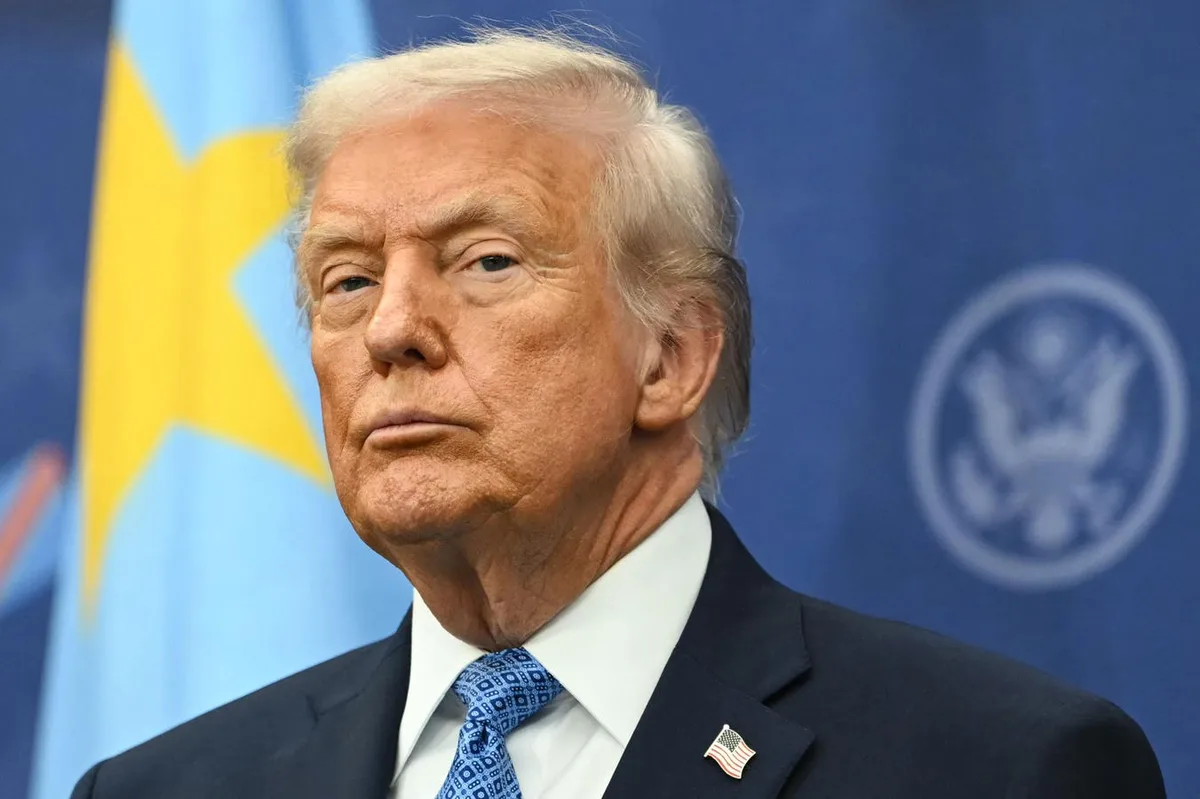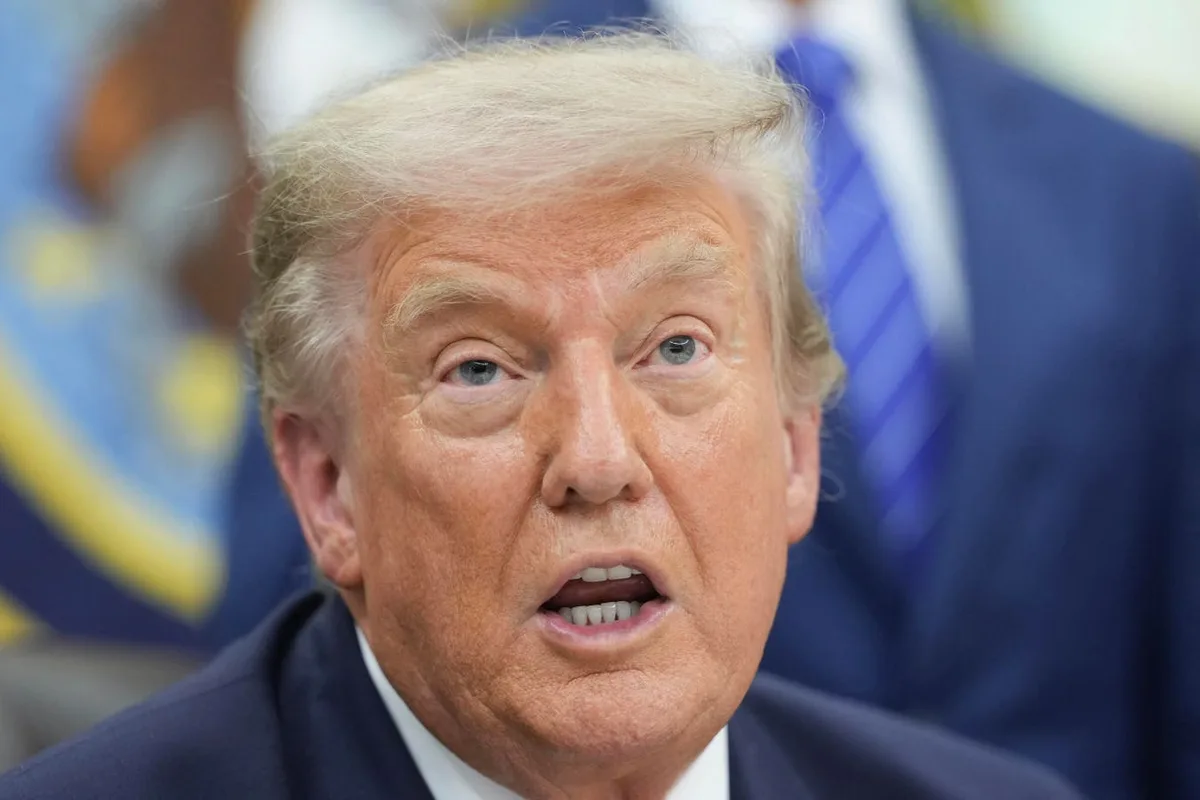
Donald Trump’s overall approval rating has dropped to 33-34%, matching his previous career low from January 2021, according to multiple polls conducted last month and early August [1, 2, 3, 4, 5]. Nate Silver’s Silver Bulletin recorded Trump’s net approval rating at -20.6%, marking a historic low for his second term [4, 5].
About 73% of Americans believe Trump is out of touch and failing to focus on the country’s top issues [1, 2]. Only 38% view him as an effective world leader, while 57% say he lacks the stamina and sharpness needed to serve effectively [1]. Approval of his handling of the Iran conflict has declined sharply. Only about a third support his approach, with 60-67% disapproving and believing the war has hurt US interests and is not worth the cost [3, 4, 5]. Less than half of Republicans now back continued military action in Iran, down from previous higher support levels [3, 4, 5].
Rising gas prices have caused hardship for 74% of Americans, up from 63% in March, further driving dissatisfaction [1, 2]. Just 39% approve of Trump’s immigration policies, with most saying he has gone too far in deportations [1]. Public disapproval is widespread over taxpayer-funded renovations at the White House, including a ballroom and reflecting pool [1, 2, 3, 4].
Trump reportedly earned over $2 billion in 2025 from ventures including cryptocurrency and real estate, which many respondents disapprove of [2, 3, 4]. Despite the broader decline, around 76-78% of Republicans still approve of his job performance, though their support has fallen recently [2, 3, 4]. The administration’s economic policies are viewed by a majority as damaging the economy [3, 4].
Tensions in the Iran conflict escalated recently with reported drone strikes in Egypt, coinciding with the dip in approval for Trump’s handling of the war [5]. Unnamed sources told NBC News Trump “erupted” during a White House meeting about the conflict last week, though the White House press secretary denied the incident [5].
Polling conducted between July 23-27 by CNN/SSRS, AP-NORC, and Quinnipiac showed these historic lows and declining Republican support for Iran war policies [1, 2, 3, 4, 5]. Two polls released August 6 recorded the lows before Nate Silver’s results on August 7 [4, 5].