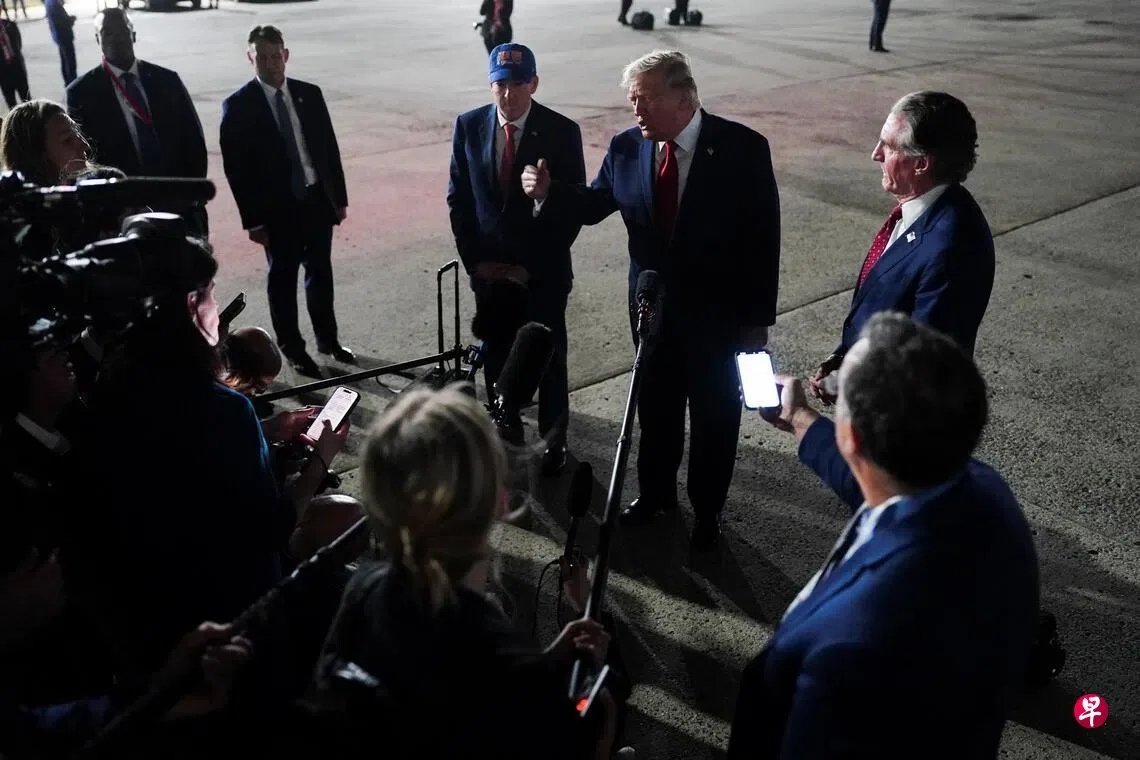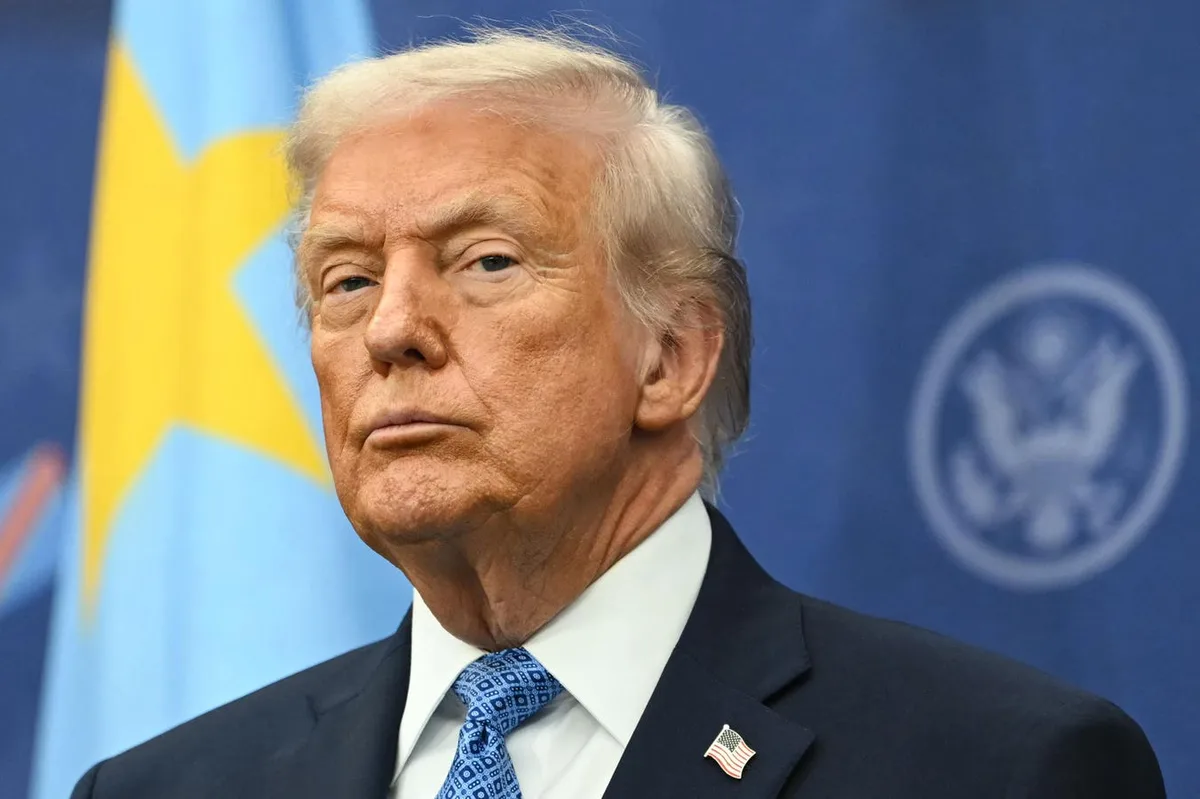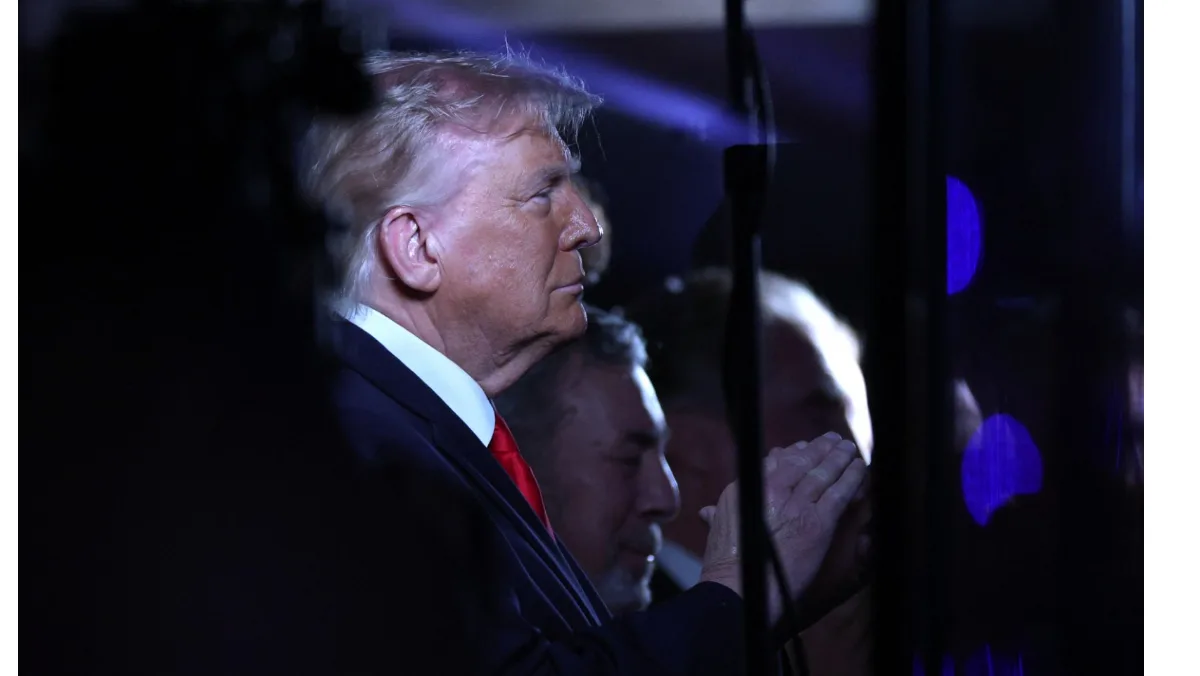
President Donald Trump’s approval rating held steady around 35% in polls conducted June 3-8, 2026, near the lowest levels of his political career, according to a Reuters/Ipsos survey of 4,531 U.S. adults with a ±2% margin of error [1, 2, 3, 4, 5, 6, 7]. This marks little change since mid-May and follows a previous low of 34% in April 2026, his lowest rating in his current term [1, 2, 3, 6, 7]. By comparison, his first-term low was 33% in December 2017 [1, 2, 3, 6, 7].
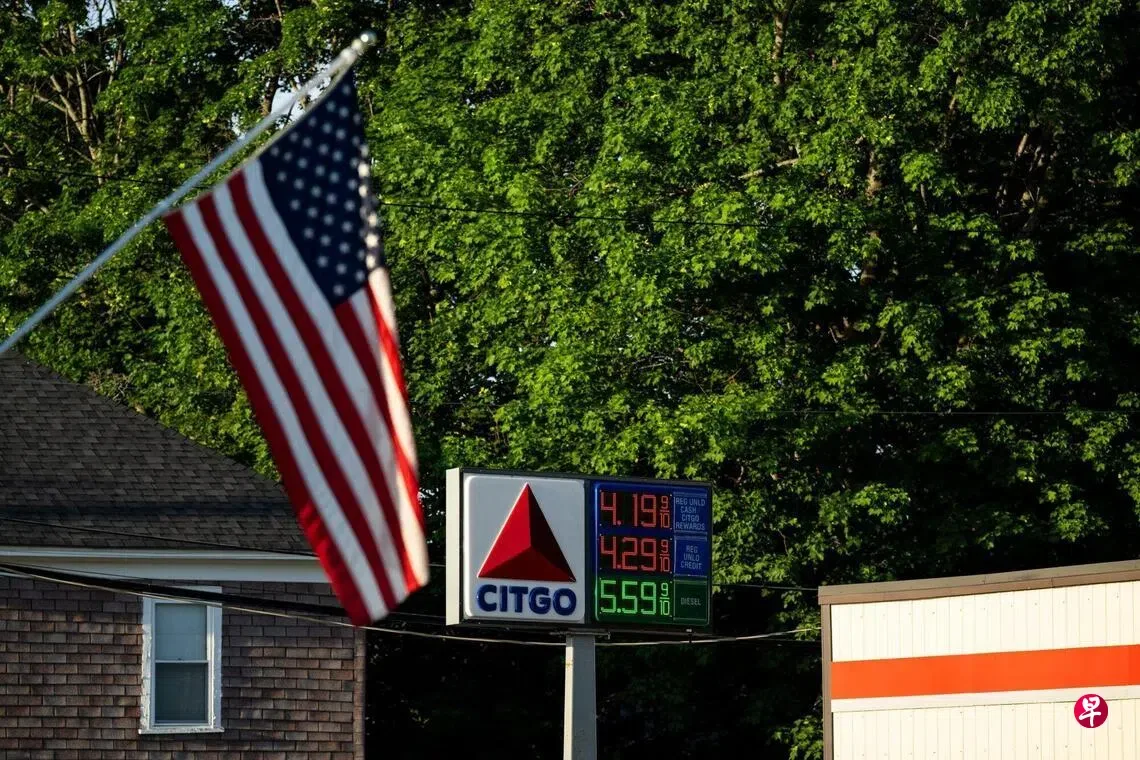
Amid ongoing conflict with Iran, the public’s concern over rising gas prices remains high. Approximately 59% of Americans expect gas prices to climb further in the next year due to the Iran war, while only 17% expect prices to fall [1, 2, 3, 4, 5, 6, 7]. Despite some recent decreases at gas stations as expectations build for the conflict’s end, a majority still foresee worsening costs [3, 5, 7]. Trump's handling of household living costs drew low approval at 22%, with about 70% disapproving [1, 2, 3, 5, 6, 7]. For context, 29% approved of Joe Biden’s living cost management when he left office, with 63% disapproving [2, 3, 7].
Trump decided on February 28, 2026, to join Israel in military strikes on Iran, which has contributed to tensions and disruptions of oil transport through the Strait of Hormuz [3, 5, 6, 7]. About 36% of Americans support the U.S. attack on Iran, but only 25% believe the benefits outweigh the costs [1, 2, 3, 6, 7].
On the political front, if a congressional election were held today, 41% of registered voters would back the Democratic Party compared to 37% for Republicans [1, 3, 5, 6, 7]. The Republican Party has lost its previous advantage in managing the economy, with 36% favoring Democrats’ economic plans and 37% Republicans’ plans [1, 2, 3, 6, 7]. Joseph Brusuelas, chief economist at RSM US, said the war’s economic toll is likely to affect middle, working, and low-income households’ spending ahead of the November midterms, calling it "not a good sign" for the incumbent and ruling party [2].
Trump has faced criticism for downplaying the impact of high prices while trying to shift public attention toward issues like White House renovations [1, 2]. The Reuters/Ipsos survey is the latest in a series tracking public opinion amid the Iran conflict and domestic economic concerns.
The next major update on approval ratings and economic sentiment is expected after the July polling cycle, as the situation around Iran remains fluid and gas price trends continue to influence voter attitudes.