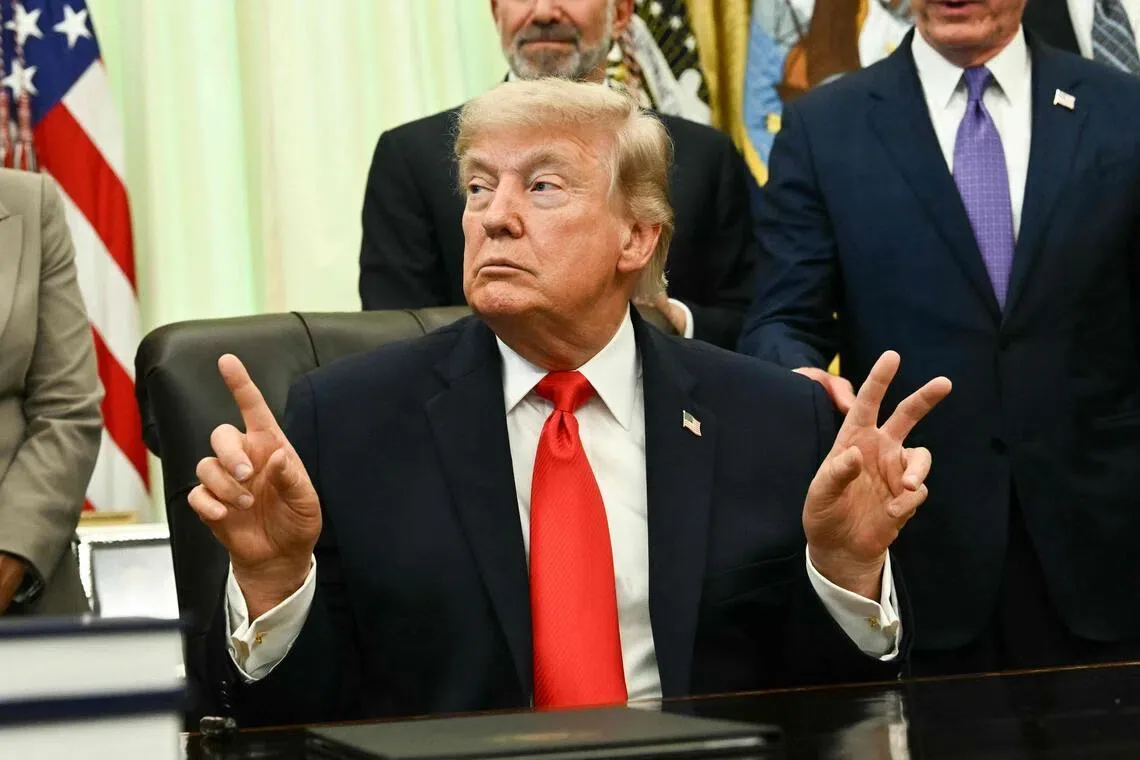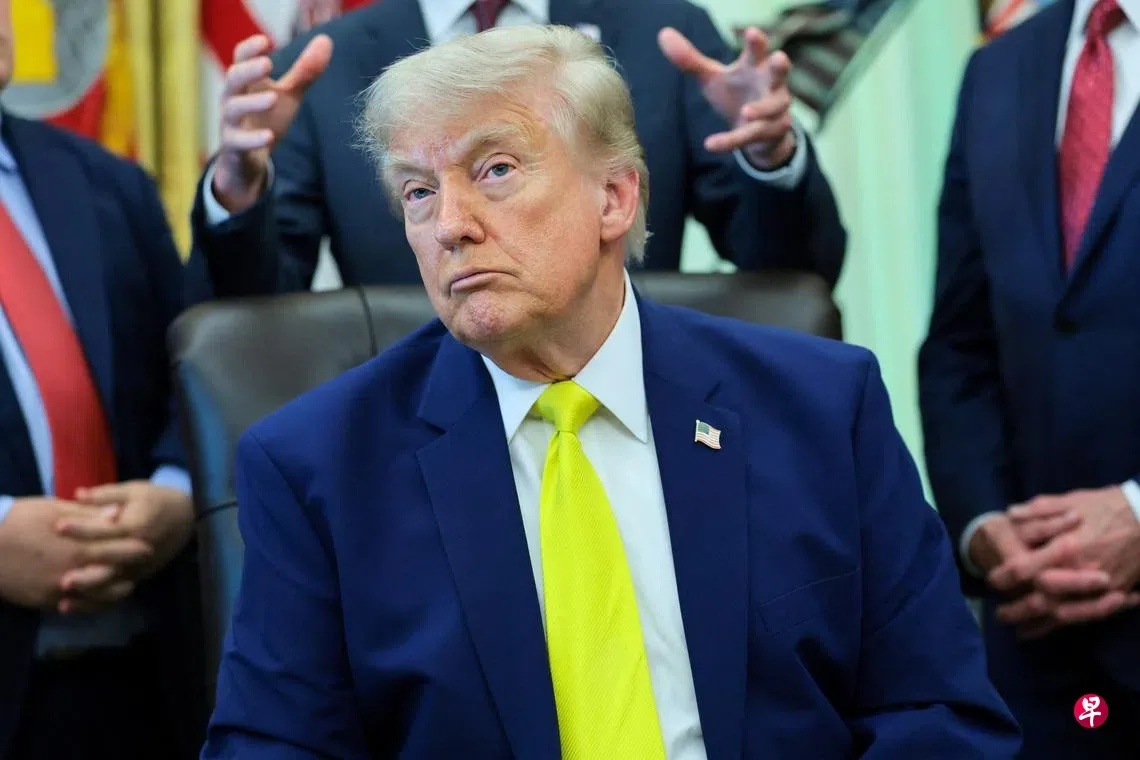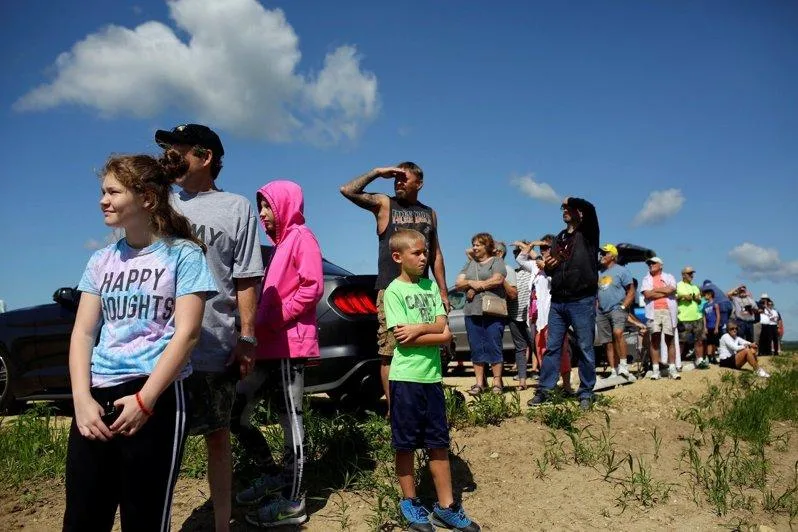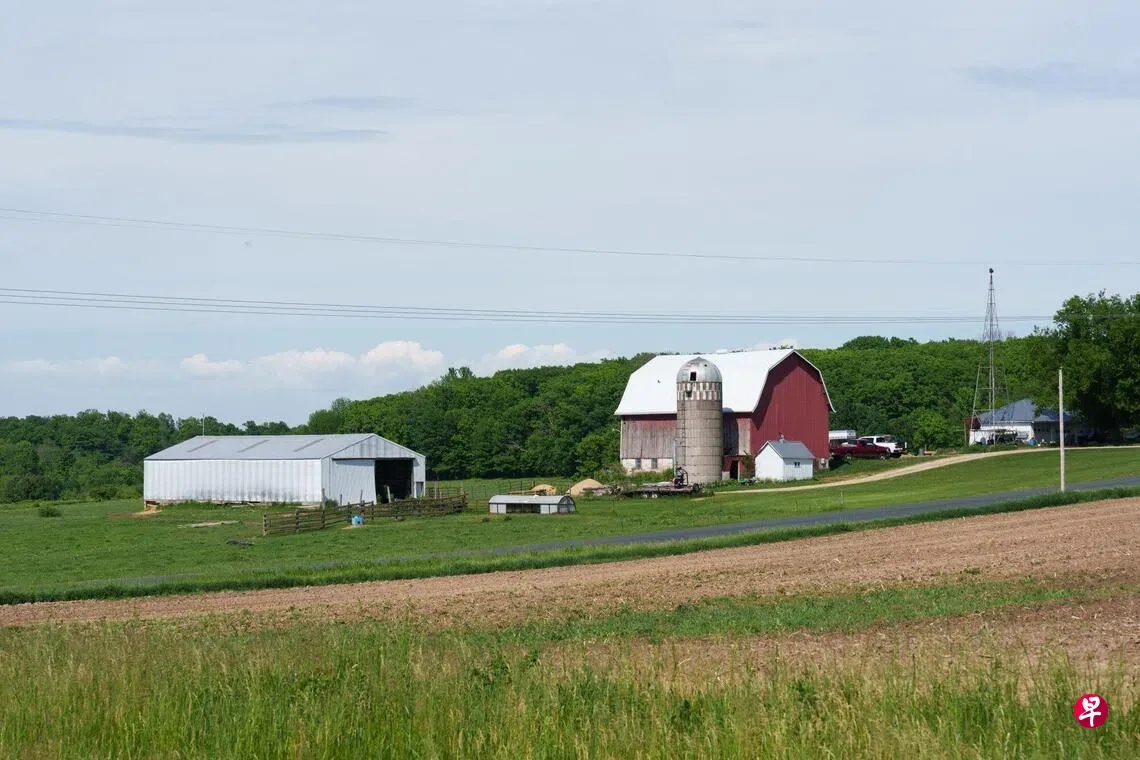
Donald Trump’s approval rating among rural Americans fell to 50% in June 2026, down from 60% in February 2025 shortly after he took office as president, according to a Reuters/Ipsos poll conducted June 3-8, 2026 [1, 2, 3]. His rural disapproval rose to 48% from 34% over the same period [1, 2]. Only 31% of rural respondents approved of Trump’s handling of the economy and cost of living, while 61% disapproved in June 2026 [1, 3]. Trump’s overall approval rating stood near a career low at about 35-36% in early June 2026 [1, 4].
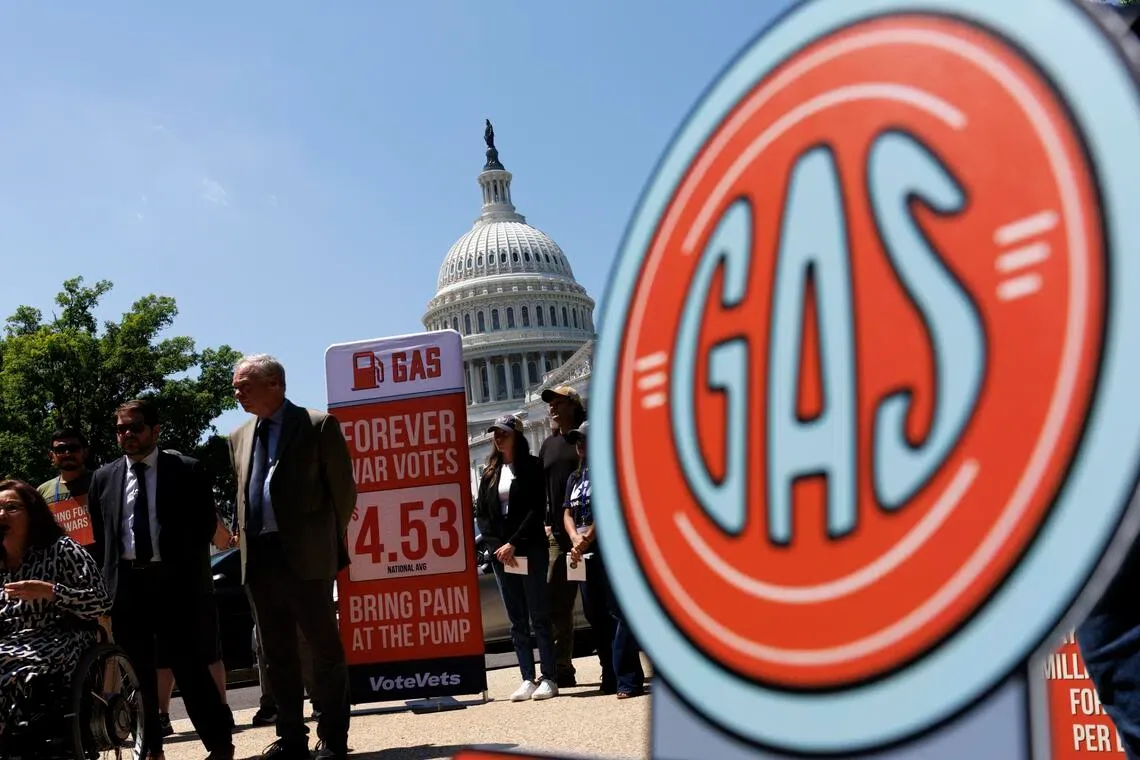
Rural Americans' longer driving distances, averaging about 48 km (30 miles) daily compared with 27 km (17 miles) for urban residents, make them more vulnerable to rising fuel prices [2, 3]. Farmers and rural households face additional pressure from higher food prices, fertilizer costs, and low crop prices in part linked to the ongoing US-Iran war and trade policies [3, 5]. Brian Rauch, a rural resident, said, "I have felt the squeeze of higher gas prices on my 50km drives. Food prices going up and little rationale for US-Israeli war on Iran have made me increasingly disapprove of Trump" [1].
Trump won rural voters by a 40-point margin in the 2024 presidential election, increasing from 31 points in 2020 and 25 points in 2016 [1, 2, 3]. However, his support is slipping not only in rural areas but among key demographics that backed him in 2024, including young and Latino voters [5, 6]. Bryan Shaver, another rural voter, expressed concern about the November midterms: "Persistently high food prices frustrate me and may hurt Republicans" [1]. Recent polling shows registered voters favor Democrats over Republicans 41% to 38% ahead of November 2026 elections [4].
On June 14, 2026, Trump announced an end to the US-Iran war, which had contributed to fuel price spikes; following the announcement, his approval rating ticked up from 35% to 36%, and approval of his handling of cost of living rose from 20-22% to 24% [4, 7]. Disapproval on cost of living eased from 73% to 69% as of June 15 [4].
Trump took office in February 2025 with 60% rural approval and 45% approval on cost of living, which has since dropped significantly [1, 2, 5]. The June 2026 Reuters/Ipsos poll surveyed 4,531 US adults online with a margin of error of 3 points for rural respondents and 2 points overall [1, 2].
The next major political event is the November 2026 midterm elections, where Republican candidates face challenges amid waning rural support and economic dissatisfaction.