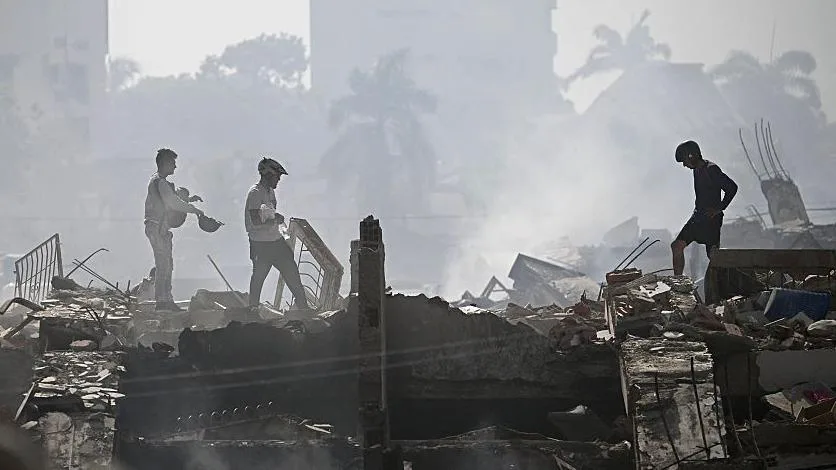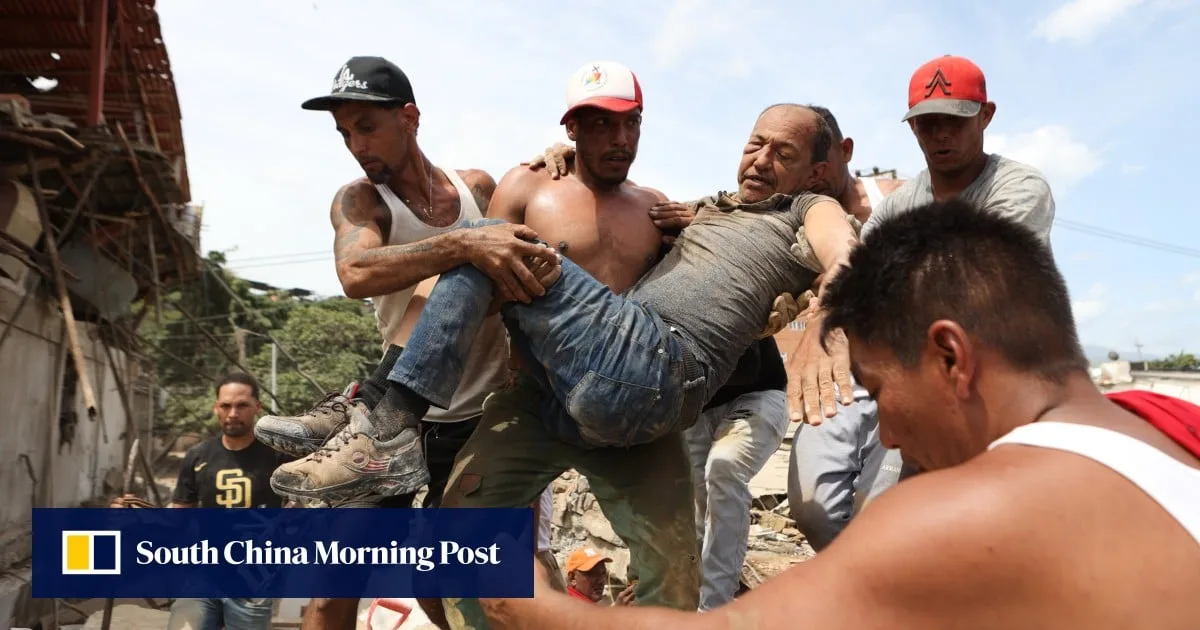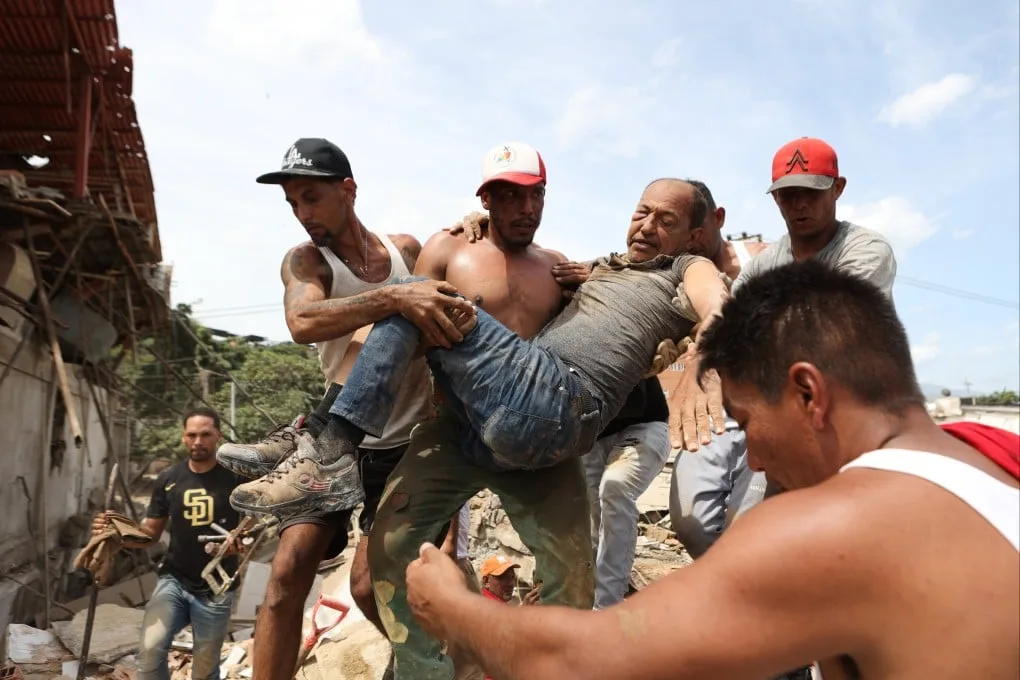
Two powerful earthquakes measuring 7.2 and 7.5 struck northern Venezuela near Caracas and Yaracuy state on the evening of June 24, 2026, about 40 seconds apart, marking the strongest seismic event in the country in over a century [1, 2, 3, 4, 5, 6, 7]. The tremors caused widespread destruction and significant loss of life.
Acting President Delcy Rodriguez declared a national state of emergency and designated the port city of La Guaira a disaster zone shortly after the quakes. She also ordered the closure of Simon Bolivar International Airport to prioritize emergency response efforts [3, 4, 5, 8, 9]. Rodriguez reported early estimates of at least 32 fatalities and over 700 injured, though final tolls are still unclear [8].
Death toll figures have varied widely. Initial reports cited 32 dead, but numbers rose as rescue operations continued, with some sources reporting 164, 188, 235, and up to 589 confirmed fatalities [1, 2, 3, 4, 5]. Injury counts range from around 700 to over 4,300 persons across affected regions [1, 2, 4, 5]. At least 200 people remain trapped under rubble, and approximately 250 buildings were damaged or destroyed nationwide, according to Venezuela’s national assembly head Jorge Rodriguez [5].
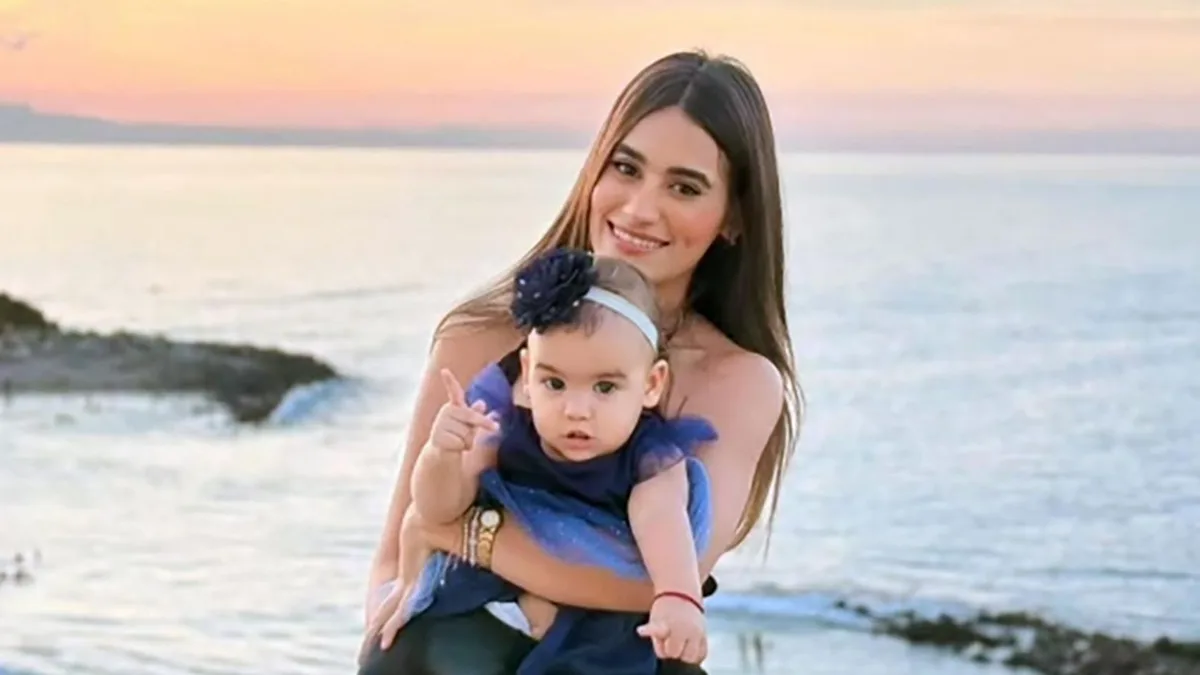
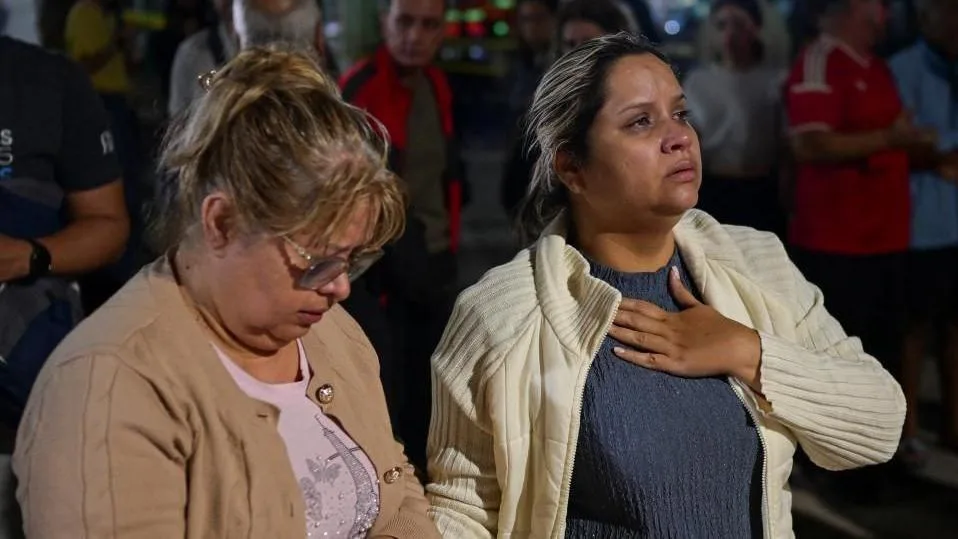
Rescue teams and medical personnel have worked continuously to find survivors and deliver aid amid challenging conditions. Venezuelan families have suffered tragic losses, including Andrea Bello, who died shielding her toddler daughter from collapsing debris [1]. Two teenage footballers also died, confirmed by their clubs and the football federation [1].
The earthquakes struck a country already grappling with economic and health crises, complicating relief and recovery efforts [2, 5]. The US Geological Survey issued red alerts warning of extensive casualties and damage, estimating a 41% chance death tolls could exceed 10,000 [10, 4, 6].
International response was swift. US President Donald Trump pledged $150 million in aid and disaster response support, saying, "The U.S.A. stands ready, willing, and able to help!" Many other countries including Cuba, Iran, Brazil, Mexico, Colombia, Spain, France, Germany, Switzerland, Canada, India, Pakistan, China, and Russia have offered condolences and sent rescue and medical teams [2, 3, 4, 5, 7, 11, 8, 9]. Indian Prime Minister Narendra Modi expressed condolences and readiness to assist [7]. Russian President Vladimir Putin offered solidarity to the Venezuelan people [9]. British envoy Tom Fletcher said, "To the Venezuelan people... we are determined that help gets to you." [5]
Rescue and relief efforts continue as crews work around the clock to locate survivors and support victims trapped under rubble [1, 2, 4, 5]. Further updates on casualties and aid delivery are expected in the coming days.