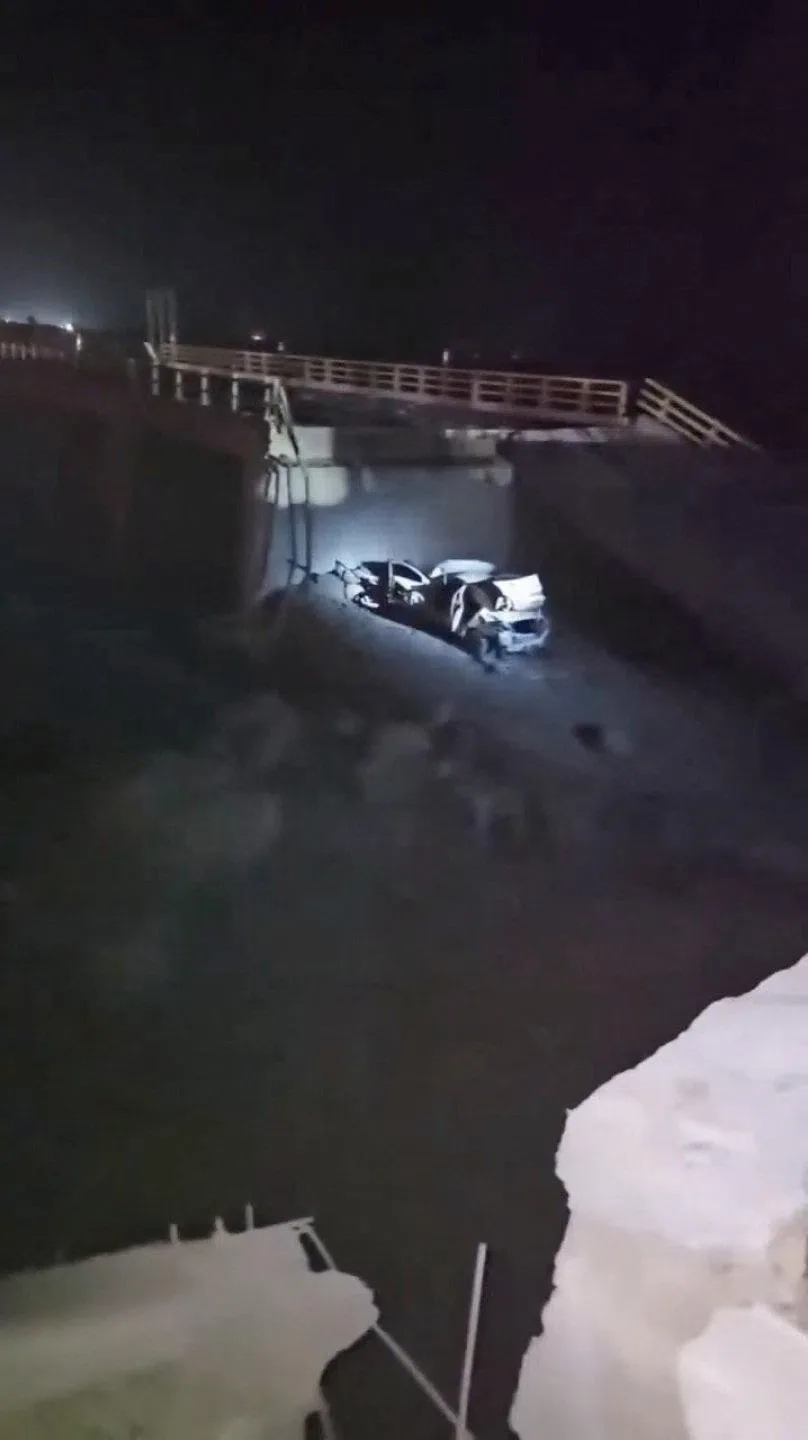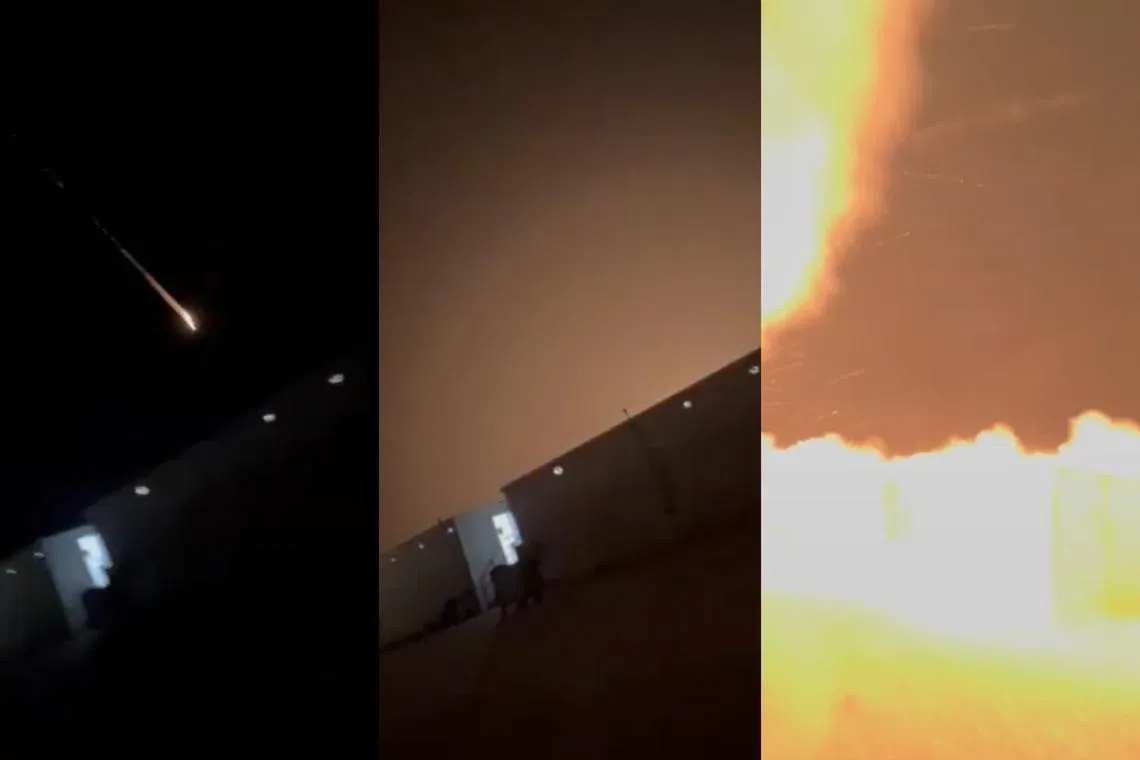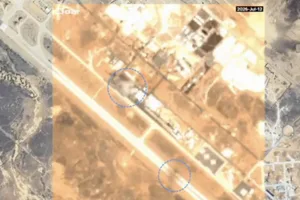
Iranian ballistic missile and drone attacks struck US forces at the Muwaffaq Salti Air Base in Jordan on July 17, killing two American service members and leaving one missing, US Central Command confirmed [1, 2, 3]. Four other US troops were medically evacuated to Jordanian hospitals and later discharged, while those with minor injuries returned to duty [1, 2, 3].
The two US service members killed were identified on July 20 by the Department of Defense as 25-year-old Lieutenant Tyler James Feehan from Ewa Beach, Hawaii, and 19-year-old Specialist Isabella Gonzales from Carrollton, Texas [4]. The Pentagon stated their deaths mark the first US military fatalities since President Donald Trump ended the ceasefire agreement with Iran last week and resumed hostilities [4]. The total number of US service members killed since the war began now stands at 16, including the latest two in Jordan [1, 5, 3].
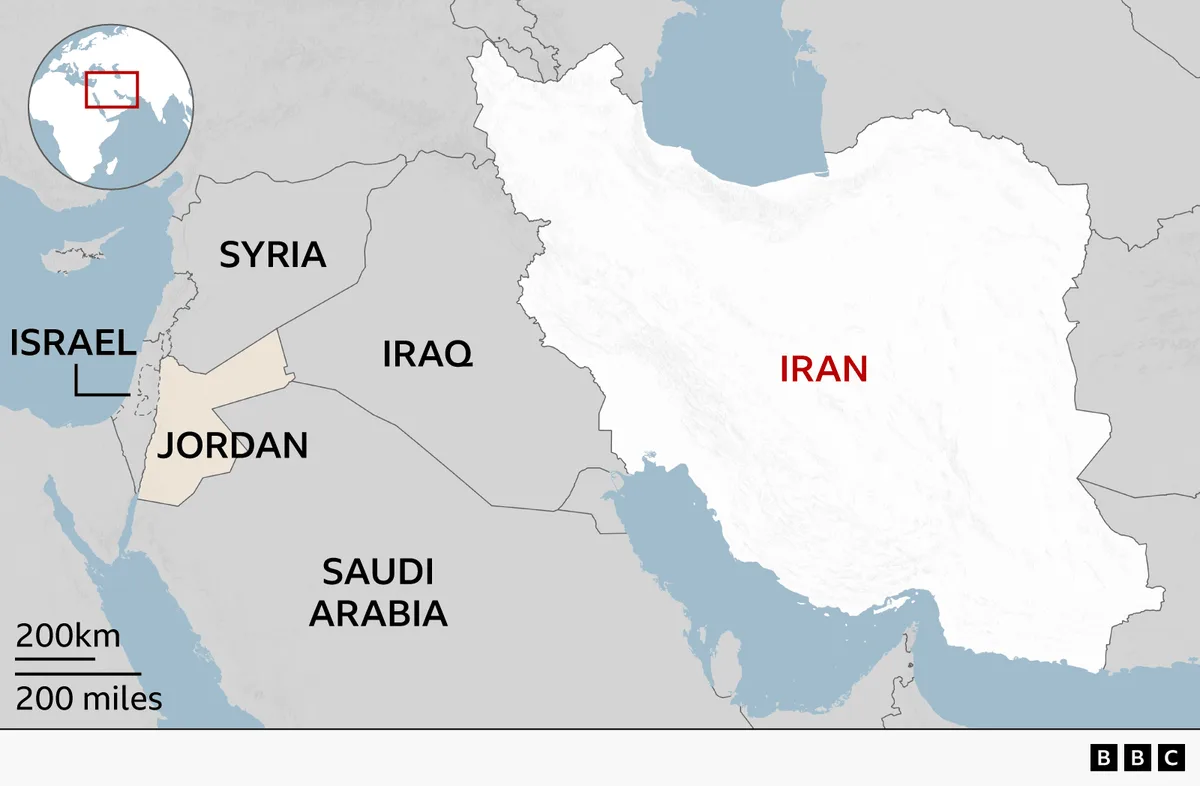
The attack at the Jordanian airbase, which hosts US troops and fighter jets, has made Jordan a new focal point in the ongoing US-Iran conflict [4]. Following the strikes, US Central Command launched further airstrikes against Iranian military targets over multiple consecutive nights, signaling an escalation of hostilities [1, 6].
Iran’s Supreme Leader Mojtaba Khamenei responded by warning the US it would suffer "unforgettable lessons" amid continuing attacks on Iran, adding that the Iranian nation and its allies would react forcefully [7, 5, 2, 6]. Iran also suspended its commitments to a memorandum of understanding signed last month with the US and announced it would no longer implement it [7, 2, 6].
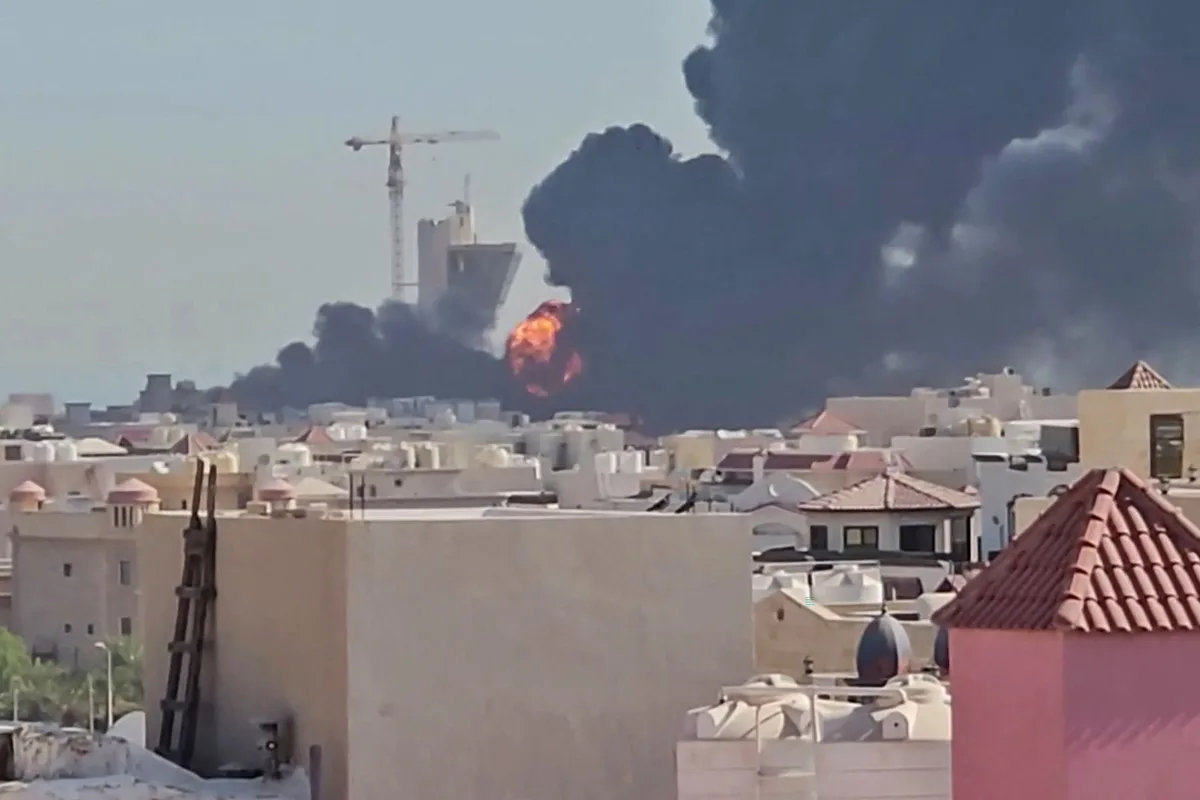
The Gulf region, including Kuwait and Bahrain, has also experienced Iranian missile attacks targeting infrastructure, with local forces repelling some of the strikes [7, 2, 6].
US President Donald Trump downplayed the losses, reportedly saying, "I couldn't care less," according to sources [6].
US Central Command confirmed on July 18 the status of the casualties in Jordan and reiterated the ongoing threat from Iranian missile and drone attacks as the conflict intensifies [7, 5, 2, 6].
The conflict remains active, with US forces maintaining a heightened state of readiness in Jordan and the surrounding region.