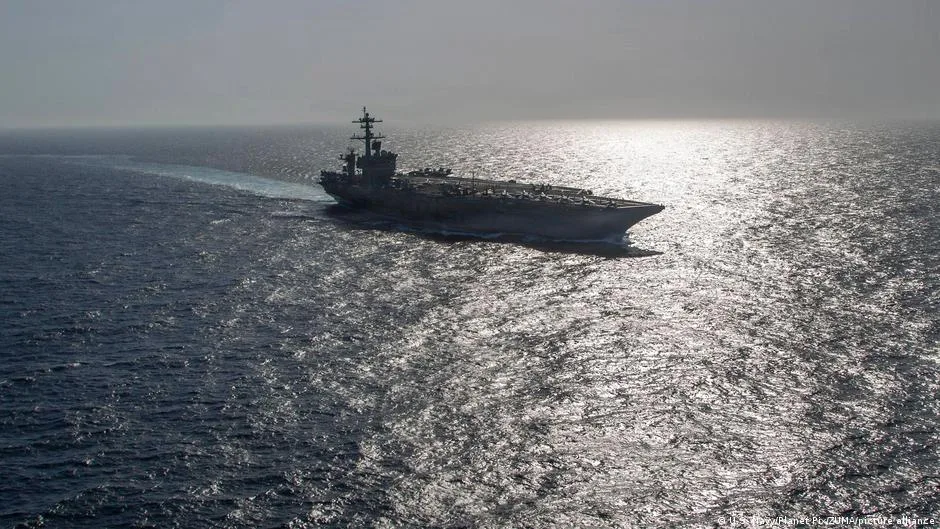
The crisis in the Strait of Hormuz entered its fourth month as the United States and Iran continue mutual blockades that have disrupted vital shipping lanes since early 2026 [1, 2, 3]. Iran charges ships up to $2 million each for safe passage through the strait while the U.S. enforces a naval embargo turning back vessels carrying Iranian oil exports [1, 2, 3]. Despite the blockade, some Iranian vessels have evaded the U.S. restrictions [1, 2, 3].
Several Asian shipping companies have paid Iran’s toll fees, violating international maritime law in the process [1, 2, 3]. Pakistan has led mediation efforts, proposing a one-page memorandum to end hostilities and reopen the strait, but talks have repeatedly stalled with neither side willing to concede first [1, 2, 3].
The U.S. demands the complete reopening of the strait and major Iranian concessions, including halting uranium enrichment, before easing sanctions [2, 3]. Secretary of State Rubio warned that military options remain available if Iran refuses to compromise [2, 3]. Gulf allies such as Saudi Arabia, the UAE, and Qatar have urged restraint to avoid escalation [1, 2, 3].
Iran suffers estimated daily trade losses of $435 million, mainly from oil exports, and after 39 days of U.S. blockade, its public finances have lost about $17 billion [1, 2, 3]. Early in the conflict, U.S.-Israeli strikes caused an additional approximately $144 billion in damage to Iran’s economy [1, 2, 3]. The Iranian economy faces severe strain with inflation exceeding 54% annually and food prices doubling for some items [2, 3]. Nationwide internet outages lasting over 80 days have worsened social hardships within Iran [2, 3].
Experts say Iran is using the conflict to reshape regional order and exclude U.S. influence, while Iran’s missile attacks on shipping and neighbors provide strategic leverage but damage its own oil export capacity and economy [1, 2, 3]. "Despite Tehran's emphasis on regime resilience, the Iranian economy is not unbreakable by a blockade," said Burcu Ozcelik, senior research fellow at RUSI [1]. Dania Thafer, executive director of the Gulf International Forum, noted the Iranian side views the stalemate as a sign the U.S. lacks the will to escalate the war [1].
The U.S. naval blockade reached 39 days as of May 21, marking a critical point in the ongoing economic and strategic standoff [1, 2, 3]. As of now, no breakthrough seems imminent, with the fragile negotiations stalled and both sides holding firm to their positions.