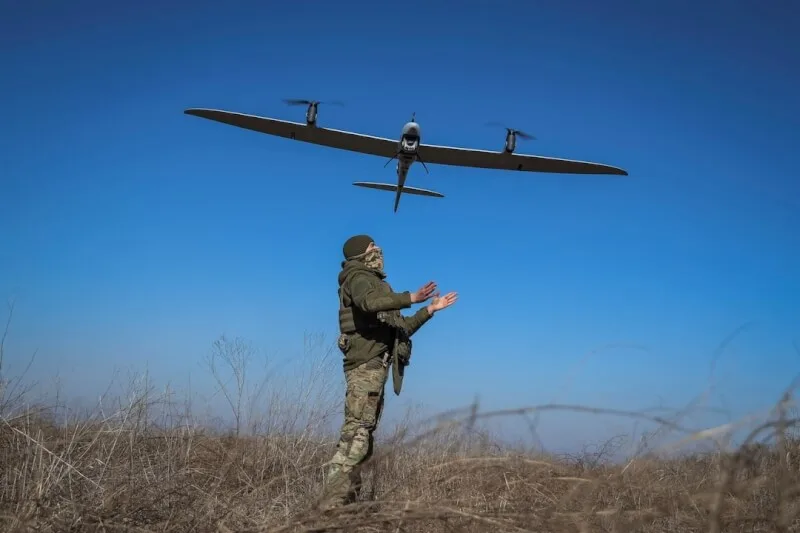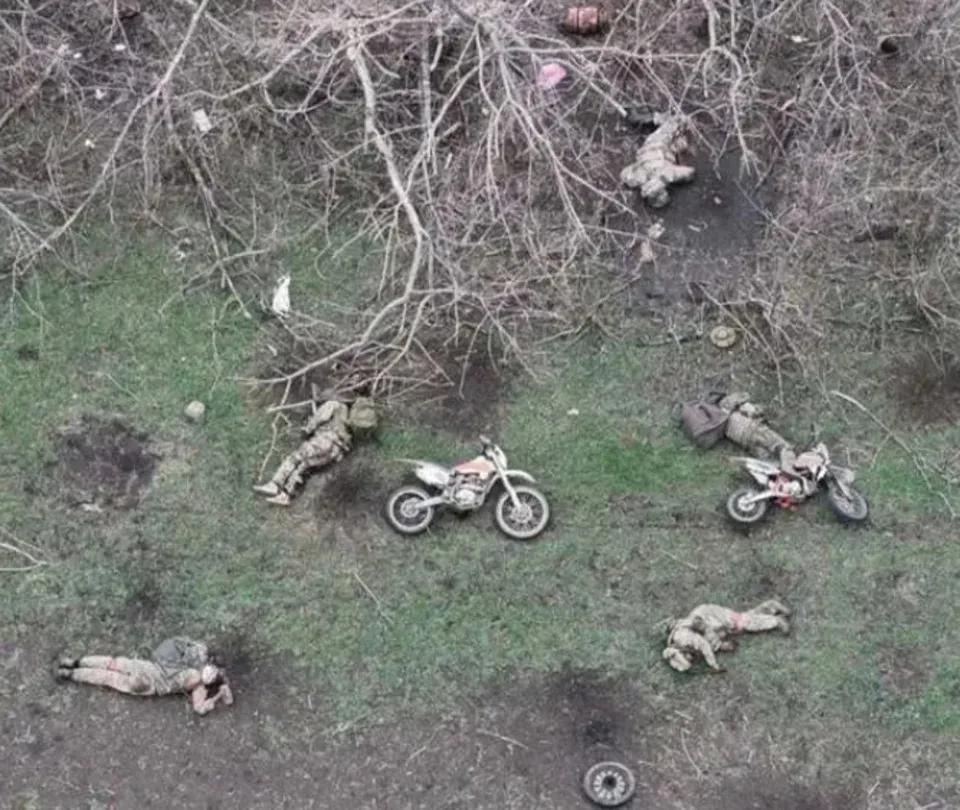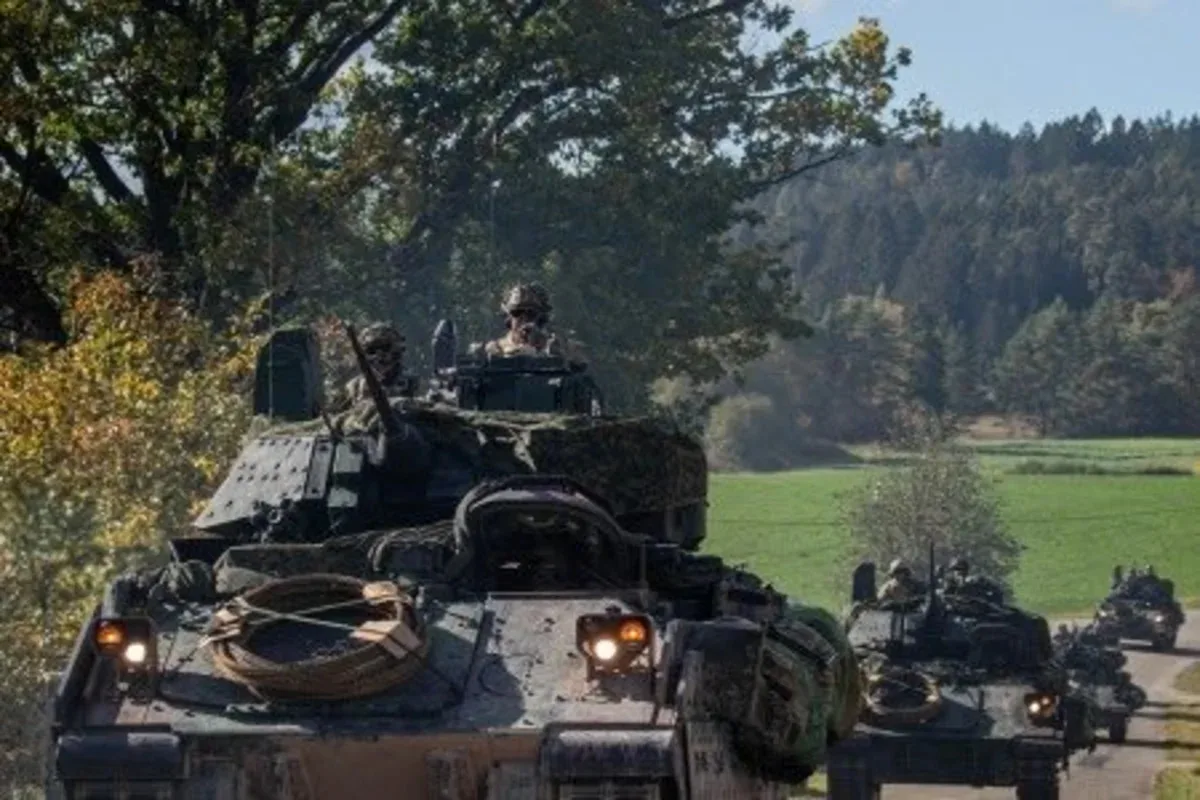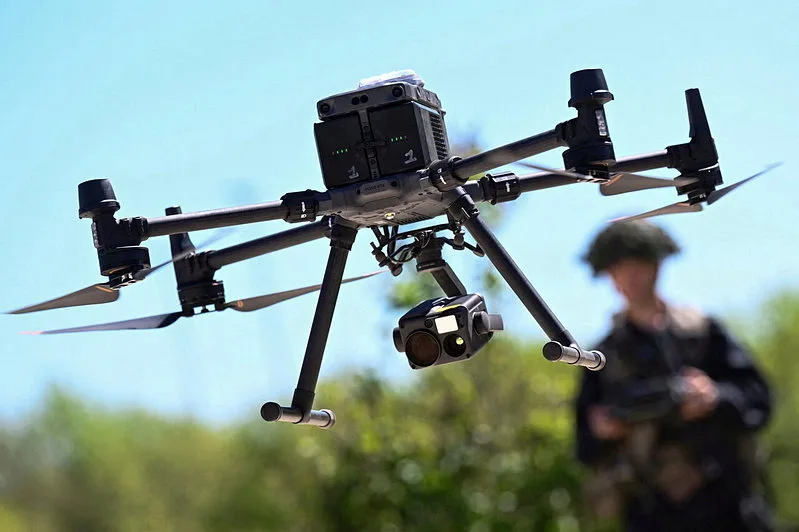
In the Combined Resolve military exercise held in Germany from April to May 2026, a U.S. armored brigade from the 1st Cavalry Division’s 3rd Armored Brigade Combat Team was simulated as "annihilated" by the Ukrainian 412th Unmanned Systems Regiment, known as the "Nemesis" drone unit [1, 2, 3, 4, 5, 6, 7, 8, 9].
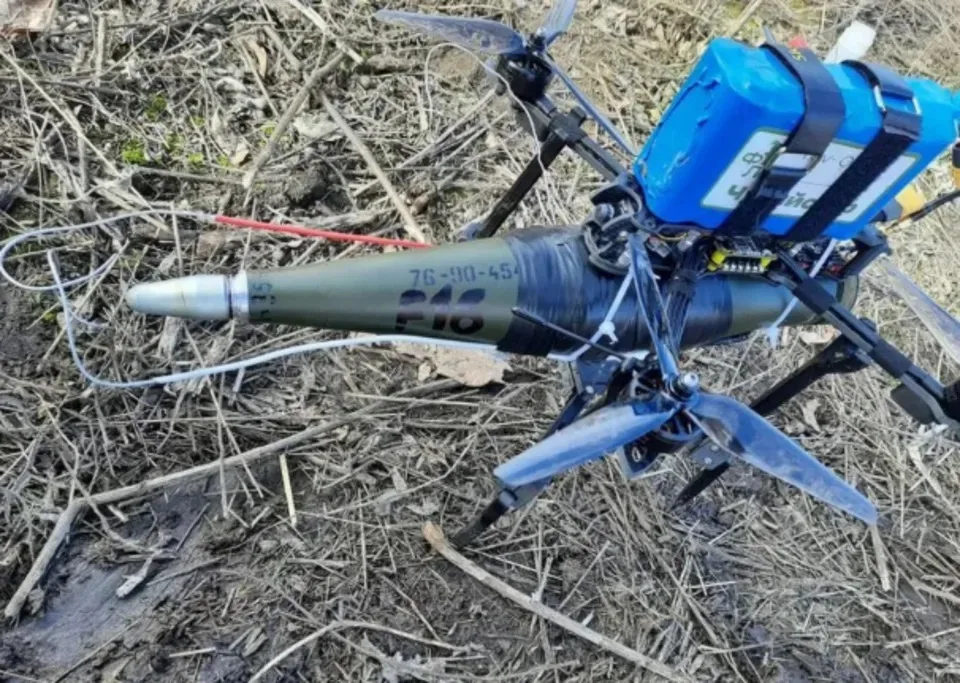
The Ukrainian forces used reconnaissance drones to detect U.S. armored vehicles by the dust clouds they raised. They then deployed bomb-dropping drones and first-person-view (FPV) suicide drones to inflict rapid simulated destruction on the U.S. vehicles [1, 2, 3, 4, 5, 6, 7, 8, 9]. Because the exercise did not use live ammunition, the drones needed only to reach a position close enough to count as a "kill." This caused the destroyed U.S. vehicles to be "reborn" and reintroduced repeatedly to continue the exercise [1, 2, 3, 4, 5, 6, 7, 8, 9].
About 3,500 U.S. soldiers participated, mostly from the 3rd Armored Brigade Combat Team of the 1st Cavalry Division, rotating through Europe from their base at Fort Hood, Texas [1, 2, 3, 4, 5, 6, 7, 8, 9]. Despite recent Pentagon investments totaling billions in drone and counter-drone technologies, the exercise exposed gaps in the U.S. military’s absorption of lessons from Ukraine’s extensive drone warfare experience [1, 2, 3, 4, 5, 6, 7, 8, 9]. As CSIS scholar Eliot Cohen stated, "Recent battlefield experience shows all types of drones are essential to modern warfare. The U.S. must master this, but regrettably, it appears not to have done so yet" [1].
U.S. officials acknowledge that Ukrainian forces have roughly four and a half years of frontline drone combat experience, while U.S. operators lack comparable exposure under fire [1, 2, 3, 4, 5, 6, 7, 8, 9]. During the exercise, Ukrainian drone units even switched sides partway through to help U.S. troops improve their offensive use of drones, raising U.S. performance [1, 2, 3, 4, 6, 8, 9]. Some U.S. officers believe drones have been especially deadly because the battlefield has been relatively static and slow; higher-mobility mechanized warfare might restore armored effectiveness [1, 2, 3, 4, 6, 8, 9].
Ukrainian military thinkers like former Armed Forces Commander Valeriy Zaluzhniy say drone technology has made traditional mobile armored warfare difficult and contributed to frontline stalemates. "Drone technology has made traditional mobile warfare difficult, causing frontline stalemates," Zaluzhniy said [1, 2, 3, 4, 6, 8, 9].
The biannual Combined Resolve exercise focuses on large-scale ground combat that integrates ground troops, helicopters, drones, and other assets [1, 2, 3, 4, 5, 6, 7, 8, 9]. Similar results where Ukrainian drone units outperformed NATO forces, including U.S. units, were seen in Baltic and Swedish-led exercises in 2023 and 2024 [1, 2, 3, 4, 5, 7, 8, 9].
The Pentagon’s fiscal year 2027 budget request includes $53.6 billion for autonomous and advanced unmanned systems, with $16.9 billion for unmanned aerial, sea, and land systems and $14.4 billion for counter-drone systems [8].
The exercise highlighted that U.S. armored forces still struggle to defend effectively against low-cost, agile drone threats during movement [1, 2, 3, 4, 5, 6, 7, 8, 9]. On May 2026, U.S. Secretary of Defense Haines announced sending increased personnel to Ukraine to study drone warfare tactics [1, 2, 3, 4]. Details and analysis of the exercise’s outcomes were publicly revealed on August 12, 2026 [5, 7, 8, 9].