U.S. media Axios cited classified intelligence indicating Cuba has obtained over 300 military drones and is discussing plans to use them in attacks on the U.S. Guantanamo Bay military base, Navy ships, and possibly Key West, Florida, located about 90 miles from Havana [1, 2, 3, 4, 5, 6].
A senior U.S. official linked these developments to the Trump administration’s view of Cuba as a major threat due to advances in drone warfare and the presence of Iranian military advisers in Havana. The official said, “When we think about such technology so close to us, used by terrorists, drug cartels, Iranians, Russians and others, it is a growing threat” [1, 7, 2, 3, 4, 5, 6].
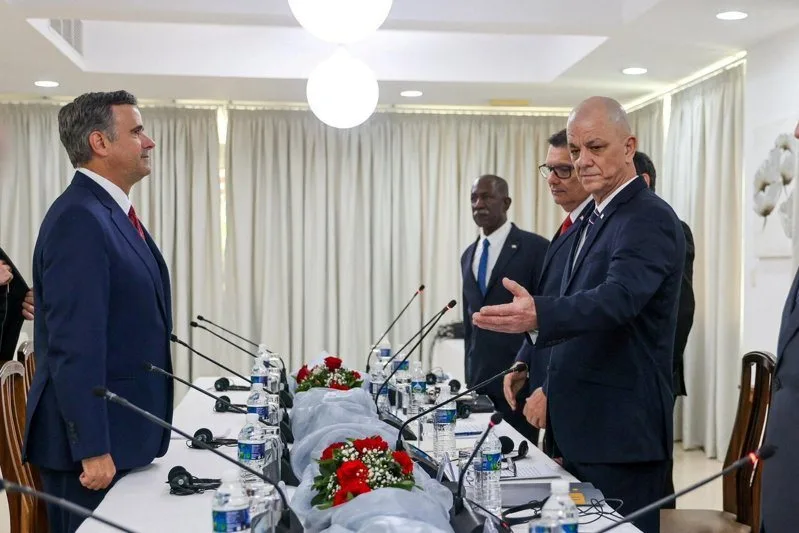
CIA Director John Ratcliffe visited Havana on May 14 to hold rare talks with Cuban security officials. According to a CIA official, Ratcliffe warned Cuba that it "can no longer be a platform for hostile agendas in our hemisphere. The Western Hemisphere will not be the playground of our adversaries" [7, 8, 3, 4].
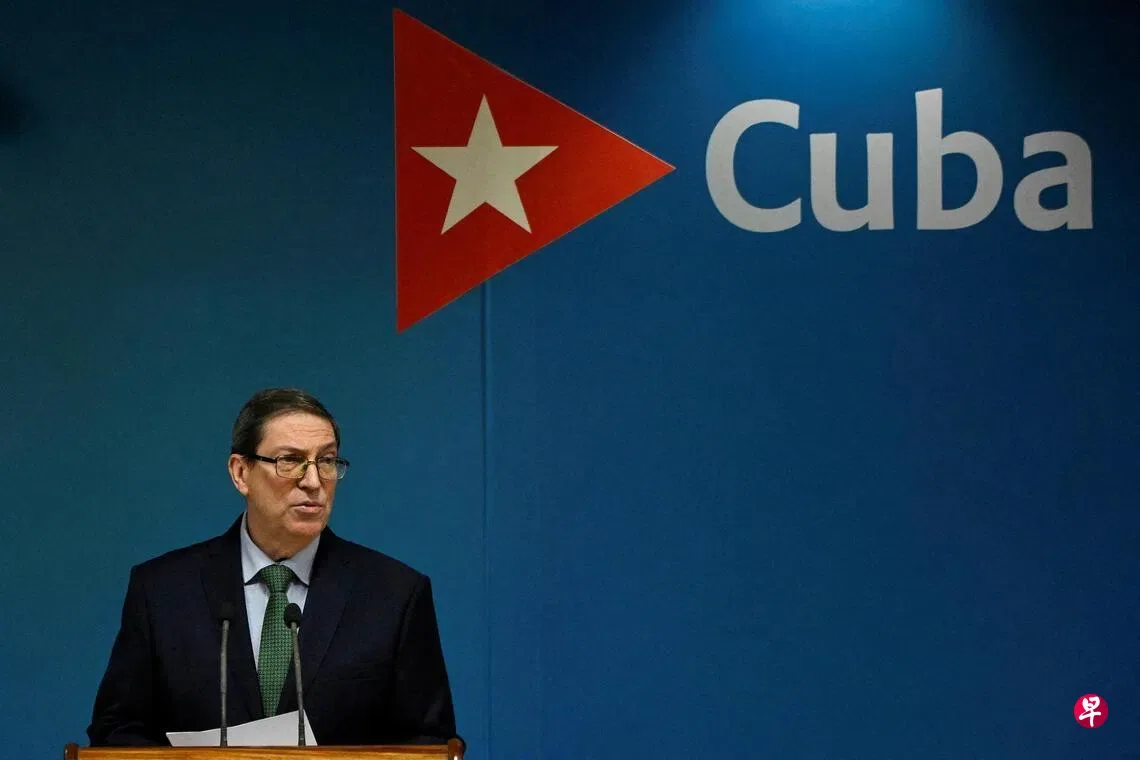
Cuba strongly denied the U.S. allegations. Foreign Minister Bruno Rodriguez called the reports “fabricated” and accused the U.S. government of using false documents to justify harsh economic sanctions and a possible military invasion. Cuba said it does not threaten any country and asserted its sovereign right to self-defense based on the United Nations Charter [9, 10, 3]. Rodriguez posted on social media on May 17 that "The U.S. government fabricates false documents day after day to justify a cruel economic war and ultimate military invasion against the Cuban people" [9, 10, 3].
U.S. officials do not assess Cuba poses an imminent threat or is actively planning attacks, but view the drone discussions as preparation for potential hostile conflict amid worsening bilateral relations [4]. Since 2023, Cuba has acquired attack drones from Russia and Iran and reportedly trained some soldiers in combat drone tactics alongside Russian forces in Ukraine [3, 4].
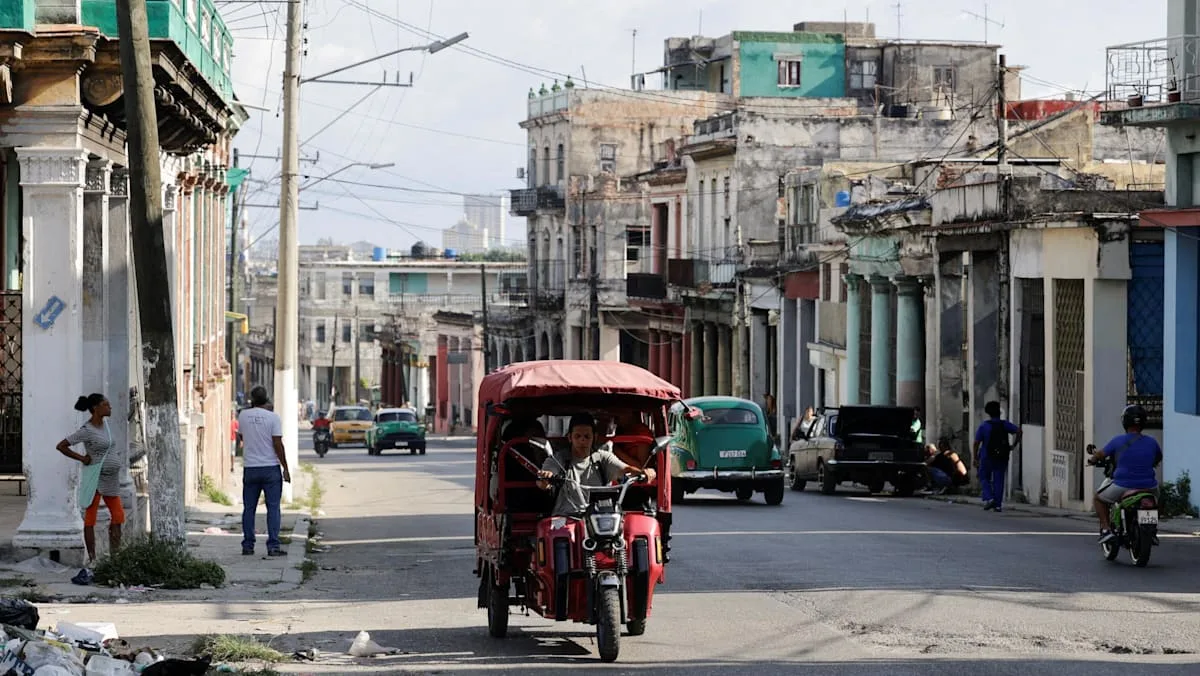
Reconnaissance flights and military surveillance by the U.S. near Cuban airspace have increased sharply in early 2026, raising concerns of possible military actions [11]. The U.S. also faces an energy crisis in Cuba caused by oil sanctions, leading to power outages and health problems in Havana [11]. In response, the U.S. State Department pledged $100 million in humanitarian aid to Cuba conditional on meaningful reforms [11].
The developments come just days after Ratcliffe's talks in Havana and the Axios report publicizing the intelligence on Cuban drone capabilities and hostile discussions. The situation remains tense, with U.S. officials monitoring Cuban drone activity closely amid worsening diplomatic relations [1, 7, 2, 3, 4, 5, 6].