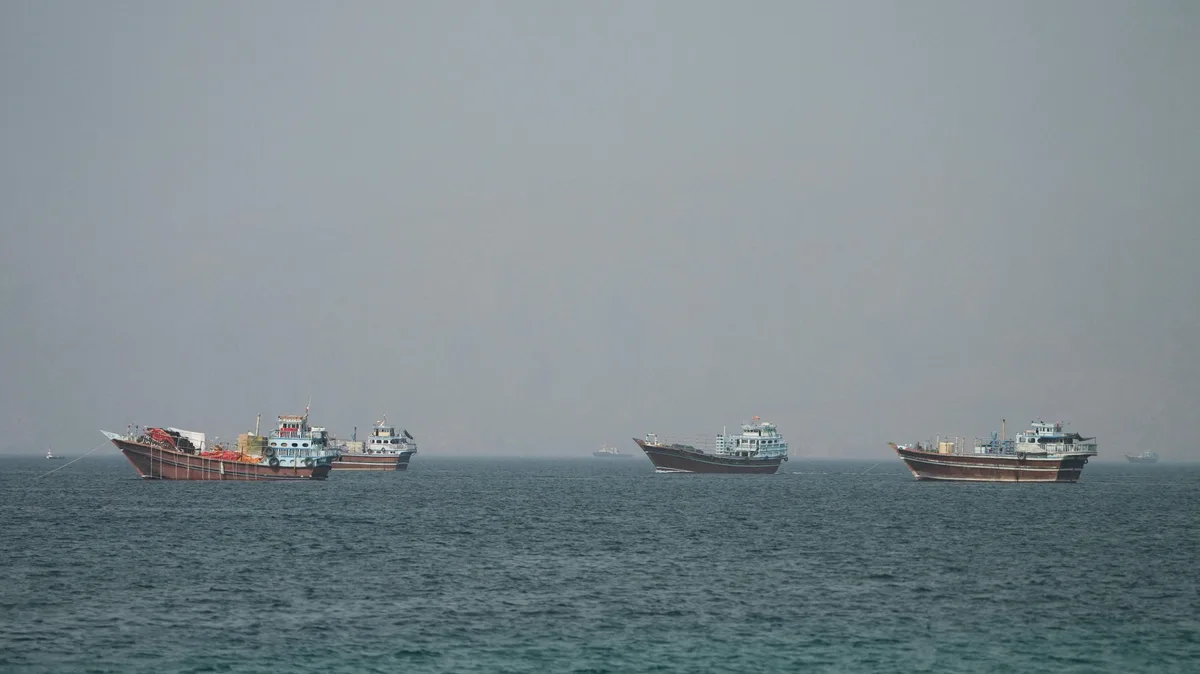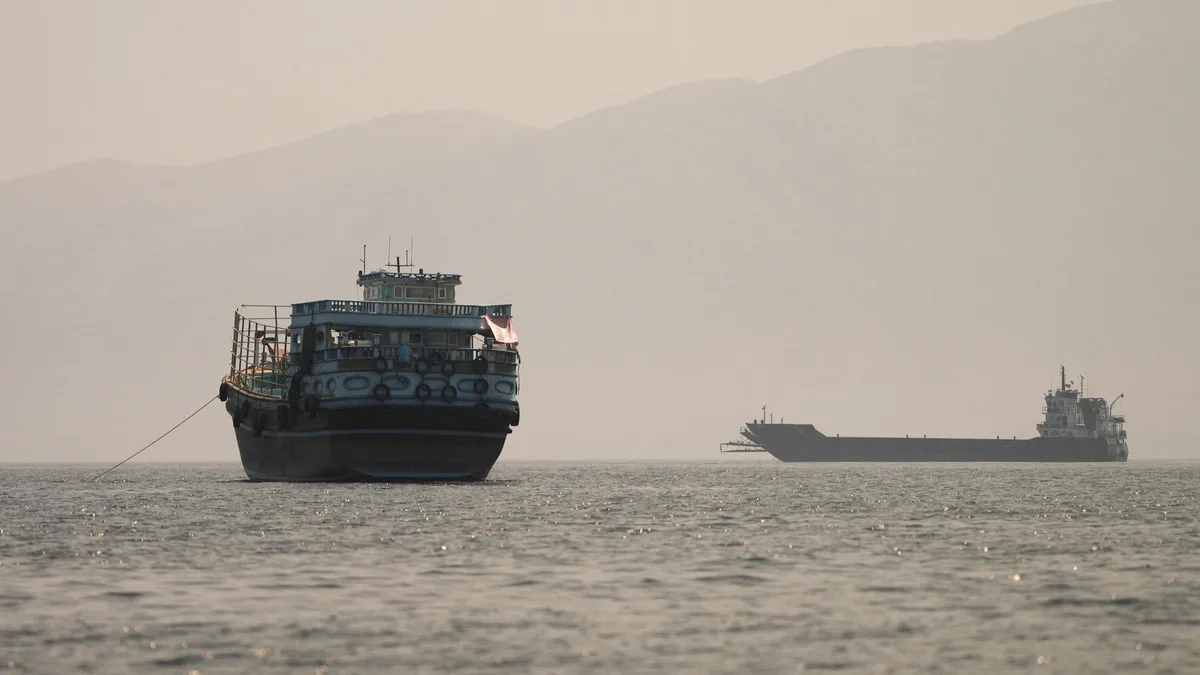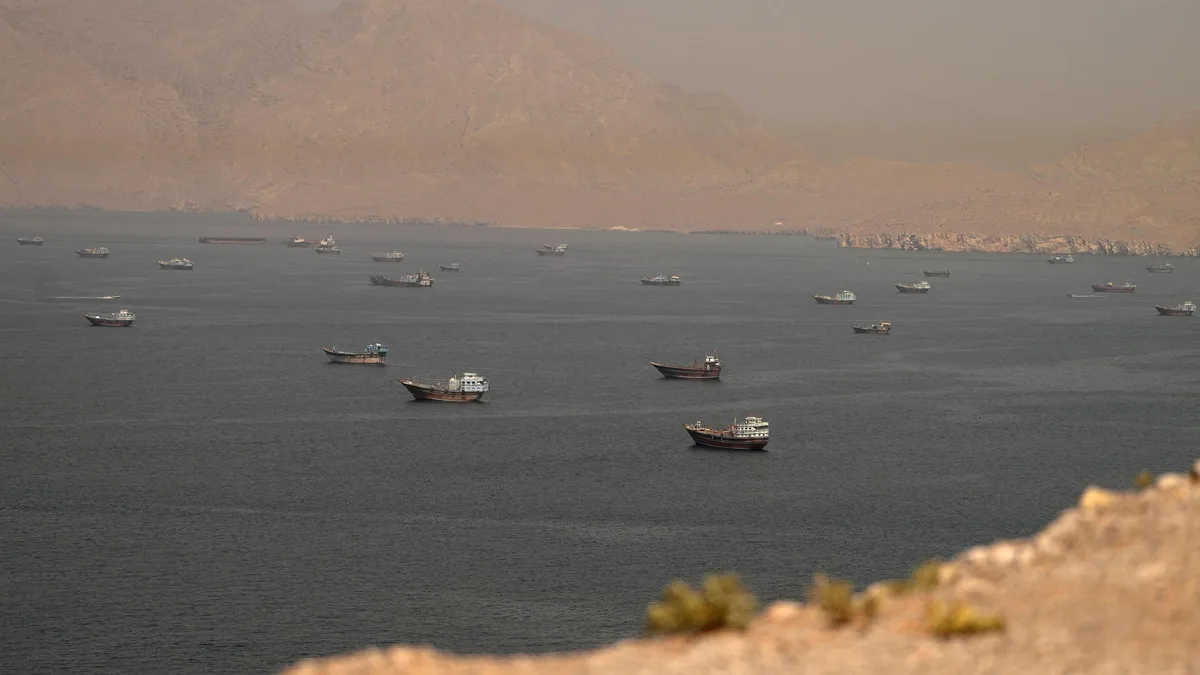
The US military launched strikes on Iranian missile and drone storage sites, coastal radar positions, and communication systems on June 26. The action was retaliation for Iranian drone attacks on commercial vessels in the Strait of Hormuz, according to US officials [1, 2, 3, 4, 5, 6].
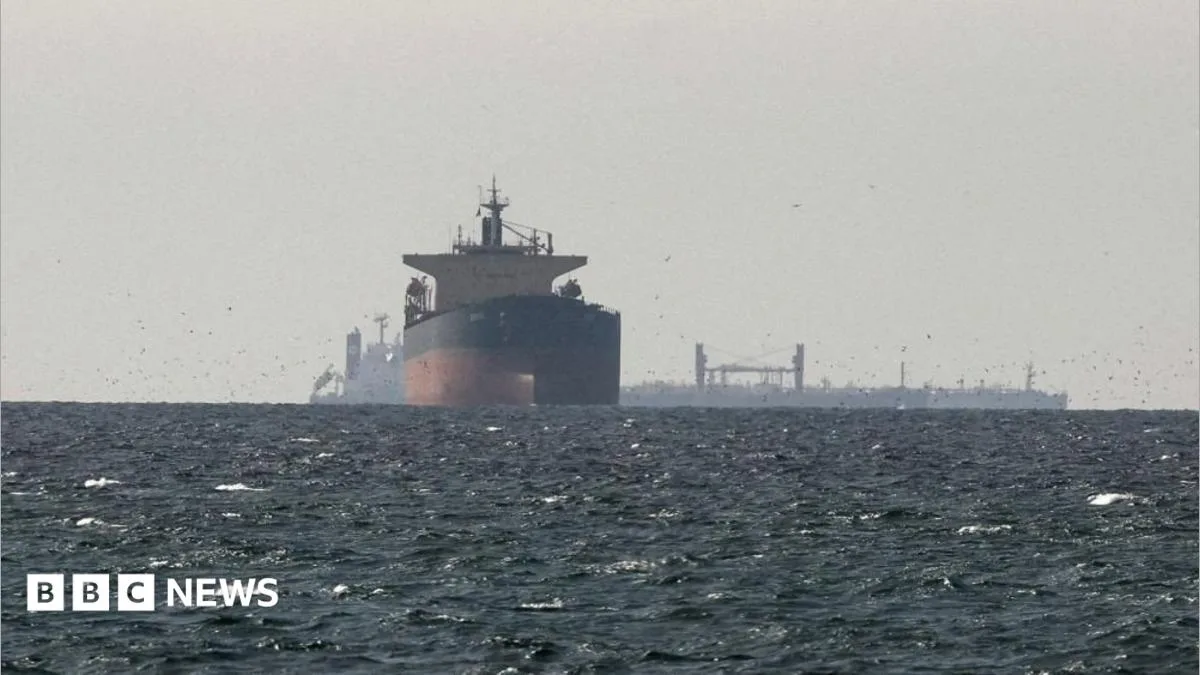
The attacks followed projectile and drone strikes on a Panama-flagged tanker, MT Kiku, and a Singapore-flagged ship, Ever Lovely, near Oman on June 25 and 27, respectively. Neither attack caused casualties [1, 2, 5, 6].
The US accuses Iran of violating the June 17 ceasefire memorandum of understanding (MoU) that called for a 60-day halt to hostilities and safe passage for commercial shipping through the Strait. US Central Command said "unwarranted aggression against commercial shipping by Iranian forces clearly violated the ceasefire" and pledged to continue supporting safe vessel transit [1, 2, 3, 4, 5, 7, 6].
Iran denies responsibility for the June 25 cargo ship attack but asserts authority over shipping through the strait and threatens to use force against what it calls violations. The Islamic Revolutionary Guard Corps warned of a "crushing response" to any aggression [2, 8, 9, 7].
In retaliation for US strikes, Iran launched missile and drone attacks on US military infrastructure in Kuwait and Bahrain on June 27. Bahrain, which hosts the US Fifth Fleet, condemned the strikes as violations of its sovereignty and threats to regional security, though no damage or casualties were reported [2, 8, 9, 10, 7].
No major damage or casualties have been reported from the US-Iran exchanges or the drone attacks on vessels so far [1, 2, 11, 10, 7, 6].
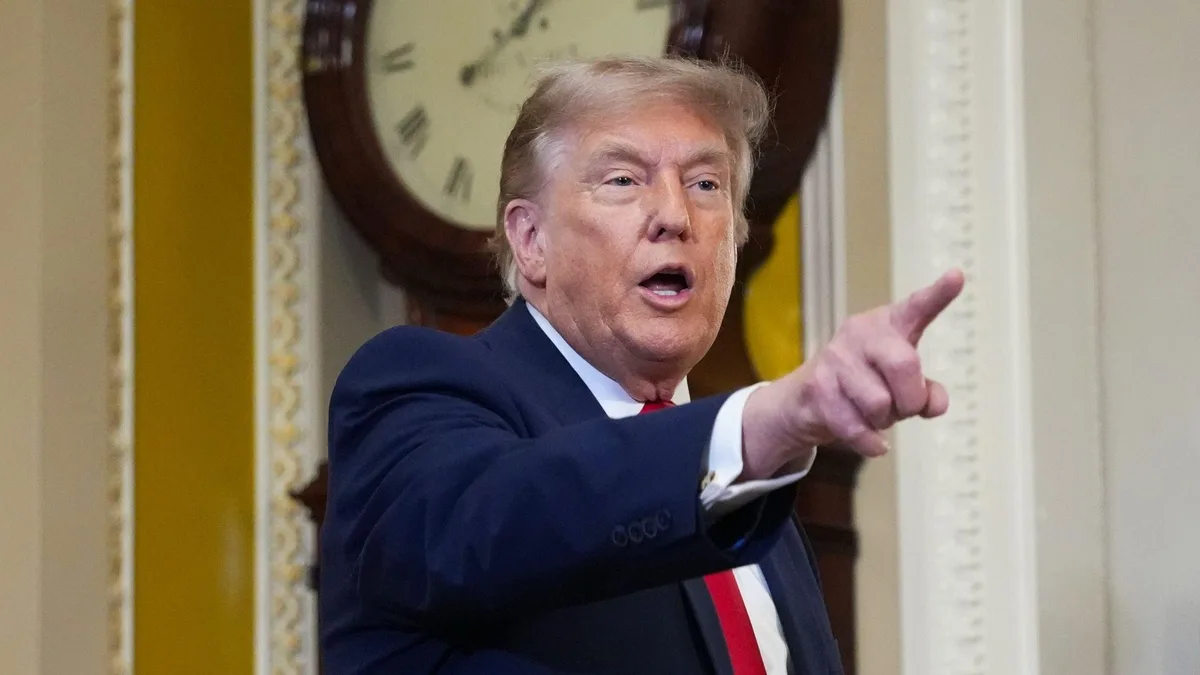
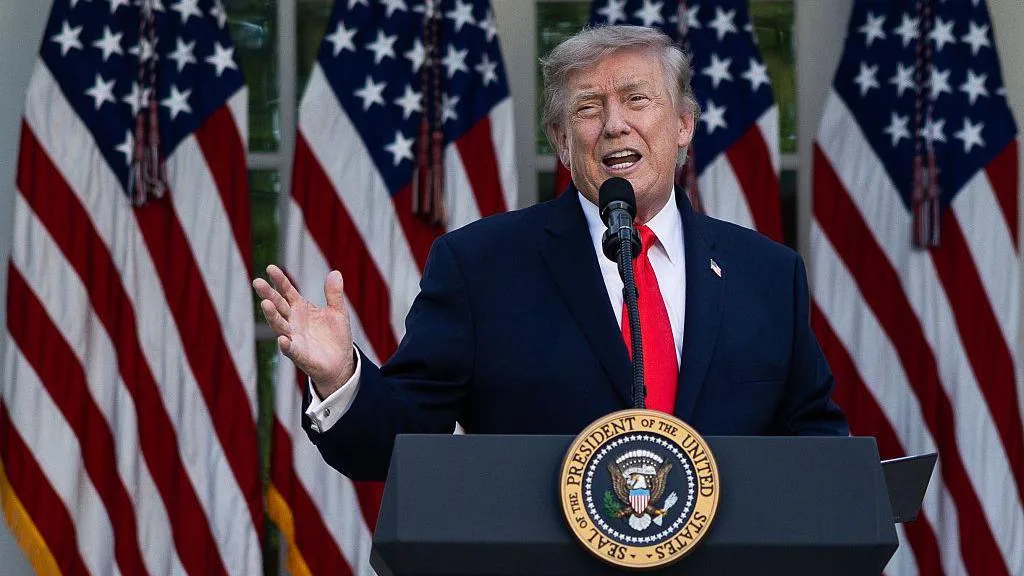
President Donald Trump said, "You'll find out. I don't like the fact that they took a shot yesterday. They shouldn't be doing that" [1]. He also warned, "There may come a point when we are no longer able to be reasonable, and will be forced to militarily complete the job that we very successfully started. If that happens, the Islamic Republic of Iran will no longer exist!" [2].
US Vice President J.D. Vance said the US has honored the ceasefire and called on Iran to discuss disputes peacefully, warning "violence will be met with violence" [4].
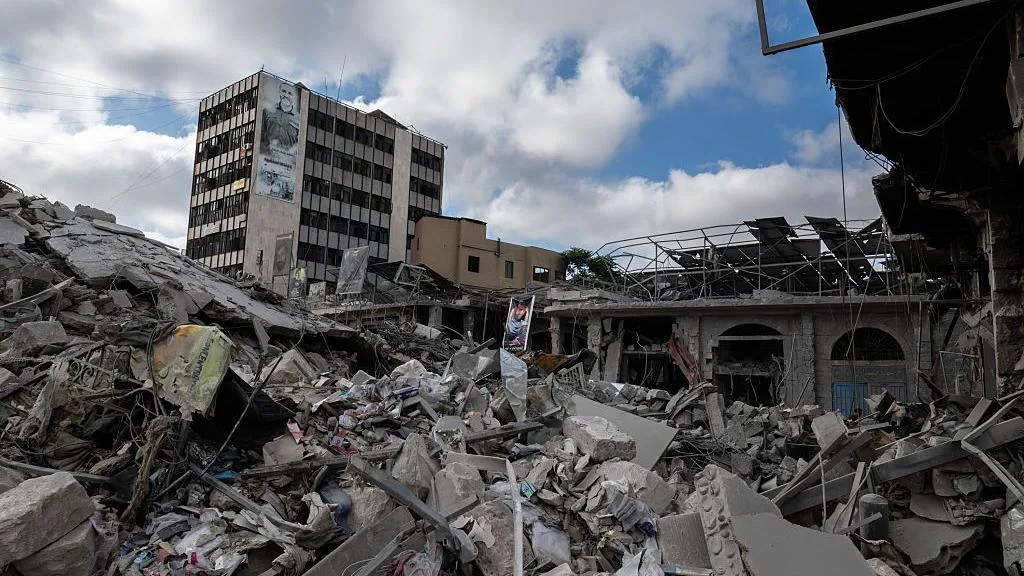
Meanwhile, on June 26, Israel and Lebanon signed a ceasefire deal aimed at ending fighting between Israel and Iran-backed Hezbollah, seen as a parallel diplomatic effort in the region [11, 4, 5, 8, 9].
Over 11,000 sailors have recently been evacuated from the Strait of Hormuz area amid rising tensions [1]. The current ceasefire agreement is set for 60 days from June 17, although both sides accuse the other of violations. The situation remains tense as the agreement’s terms continue to be tested.