The U.S. Navy lifted its blockade of Iran's ports and coastal waters on June 18, 2026, ending naval restrictions that began in April amid conflict between the two nations and Israel [1, 2, 3, 4]. The ceasefire followed a memorandum of understanding signed the previous day by U.S. President Donald Trump and Iranian President Masoud Pezeshkian to end the war that started in late February 2026 [1, 4].
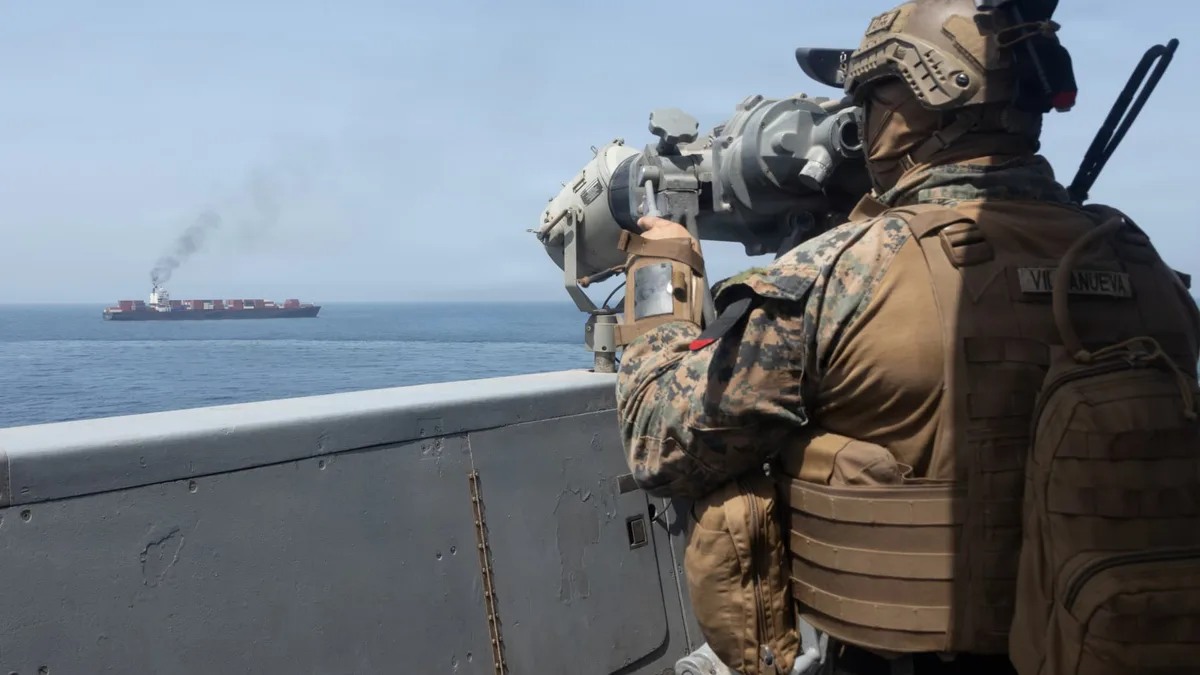
U.S. Central Command (CENTCOM) confirmed that American forces no longer impede maritime traffic to or from Iranian ports. A statement said, "American forces are not impeding the transit of vessels to or from Iranian ports. All U.S. military blockade enforcement efforts have ceased" [1]. CENTCOM added that U.S. naval ships would remain nearby to ensure adherence to the agreement, with a spokesman noting, "Our great Naval Ships will remain in the general area to make sure that all aspects of the agreement are adhered to, obeyed and in full force and effect" [2].
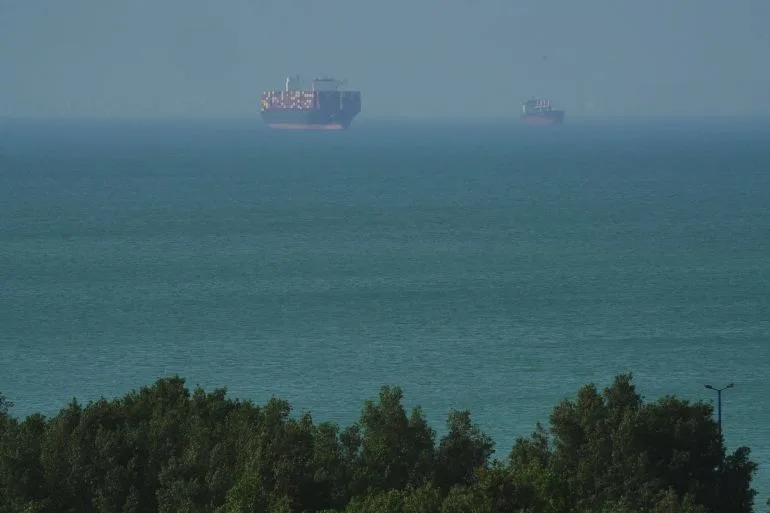
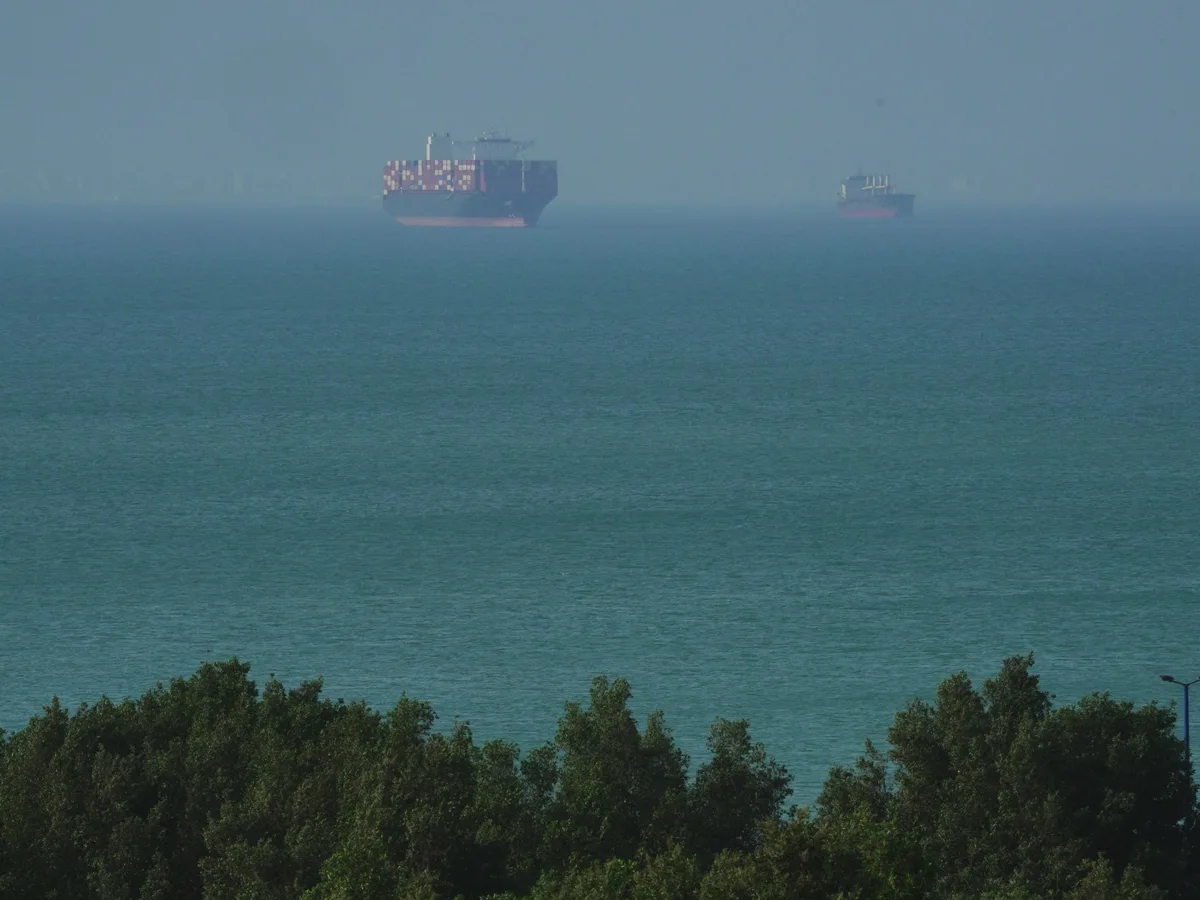
The peace deal obligates Iran to permit free passage of commercial vessels through the Strait of Hormuz without tolls for 60 days. Iran is also required to cooperate with Oman and other Gulf states on future administration and maritime services of the strait according to international law [1, 2, 4]. However, Iran’s Islamic Revolutionary Guard Corps continues to demand coordination for ships transiting the Strait of Hormuz [4].
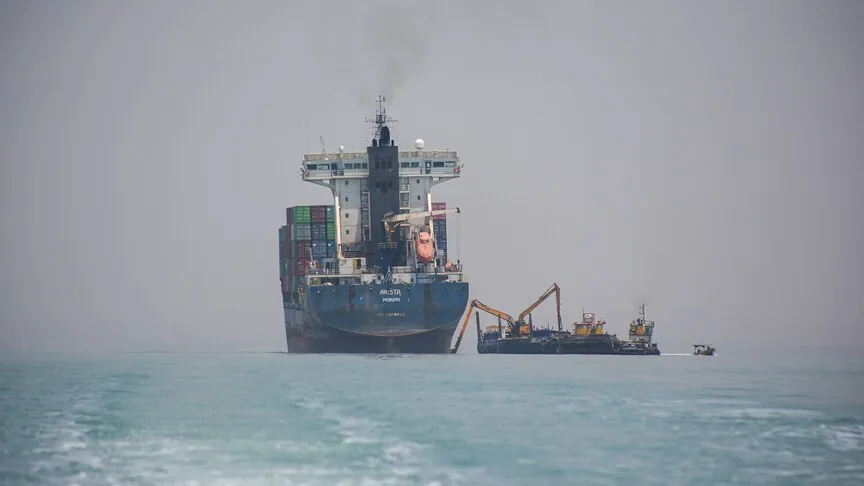
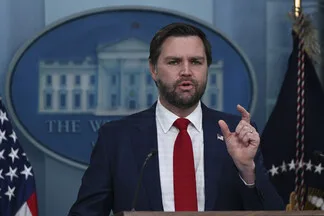
Oil shipments began moving again overnight, with reports indicating about 12 to 12.5 million barrels passed through the strait, including three Saudi tankers carrying roughly 6 million barrels [1, 2]. Vice President JD Vance said, "So far they are honoring their end of the commitment," and called the agreement "an excellent thing for the American people" [1, 2].
The conflict began on February 28, 2026, involving U.S. and Israeli forces against Iran, with a U.S.-enforced naval blockade imposed on April 13 restricting commercial traffic through the strategic Strait of Hormuz [4]. The ceasefire memorandum, signed June 17, set the stage for the blockade’s removal the following day [1, 4].
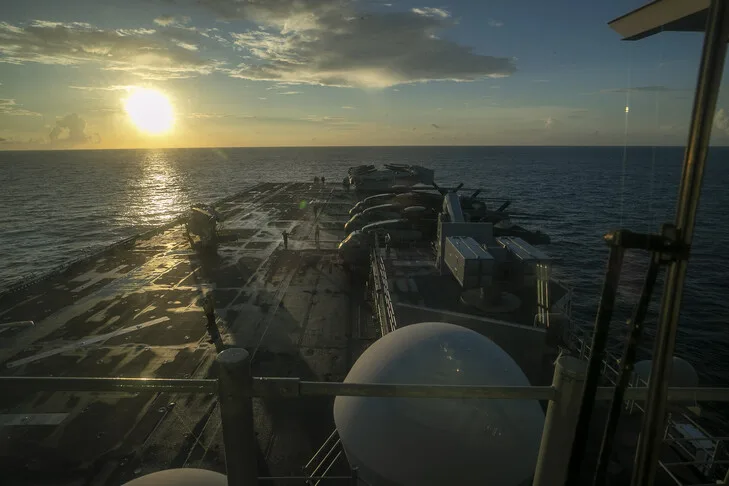
American naval vessels will continue to patrol the region while the 60-day toll-free commercial passage and related agreements are monitored. Coordination with regional actors like Oman will be key to longer-term maritime security arrangements.