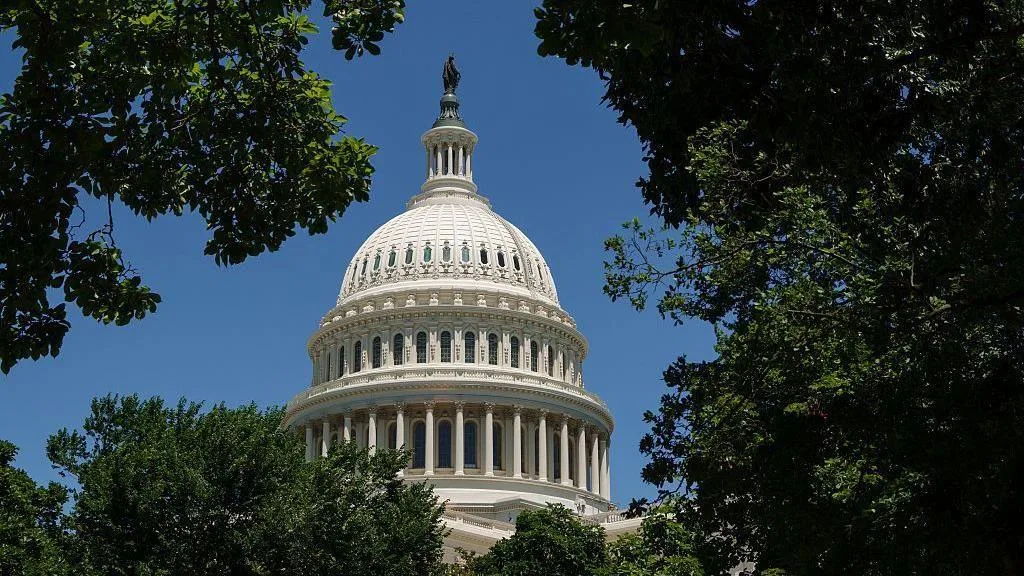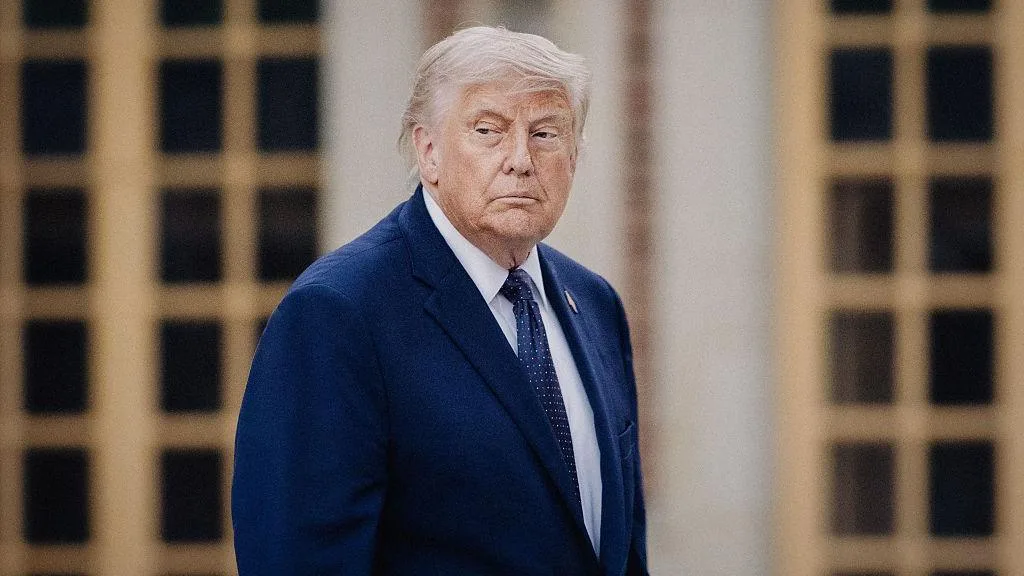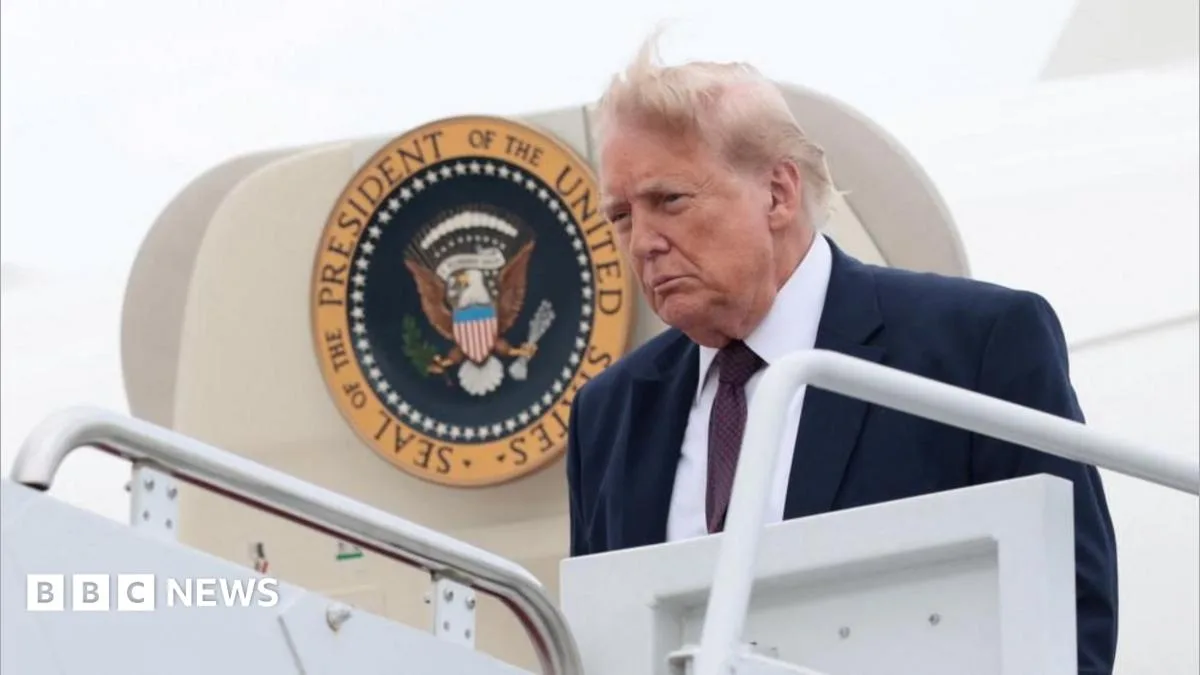
The US Senate passed a concurrent war powers resolution on June 23, 2026, voting 50-48 to direct President Donald Trump to halt military action against Iran or seek congressional approval before continuing military operations [1, 2, 3, 4, 5, 6, 7, 8, 9, 10, 11]. It marks the first time since the 1973 War Powers Resolution that both chambers of Congress have jointly urged a president to end a military action [1, 4, 5, 6, 7, 8, 9, 10].
Four Republican senators—Susan Collins, Lisa Murkowski, Bill Cassidy, and Rand Paul—joined all but one Democrat in supporting the measure. One Democrat, John Fetterman, voted against it, and two Republicans were absent [1, 2, 3, 4, 5, 7, 10]. The resolution directs Trump to remove US armed forces from hostilities with Iran unless protecting against imminent attacks on the US or its allies [10].
President Trump criticized the resolution as "poorly timed and meaningless" and said it made his job more difficult while reassuring Iran. He tweeted, "So, I have Iran on the 'ropes,' ready to go down for the fall... and the U.S. Senate decides to have a poorly timed and meaningless War Powers Act Vote. These Senators have just made my job more difficult, but I will get it done, one way or the other, because I always get it done!" [1, 6, 7]. Senate Majority Leader Chuck Schumer called Trump’s Iran policy "one of the worst foreign policy forays America has ever made" [3].
The resolution is largely symbolic and not legally binding. It does not require the president’s signature and will not be sent to the White House. The administration declared it unconstitutional and without legal effect, a view supported by many legal experts citing Supreme Court precedent on concurrent resolutions as non-binding legislative vetoes [1, 2, 4, 5, 7, 9, 10].
The US and Iran reached a ceasefire agreement on April 7, 2026, and peace talks continue. The administration plans to request tens of billions in war funding from Congress despite public opposition, as only 23-25% of Americans support the war [1, 3, 4, 6, 7, 8, 10].
On June 24, 2026, Senate Republicans rejected a near-identical war powers resolution in a late-night vote after White House pressure. Bill Cassidy flipped his vote against the measure following a White House briefing, saying he appreciated the detailed information provided [12].
The Senate’s June 23 resolution directs Trump to end hostilities unless Congress authorizes further action or an imminent threat arises. The White House’s planned war funding request is expected to test congressional divisions in coming weeks [1, 3, 4, 6, 7, 10].