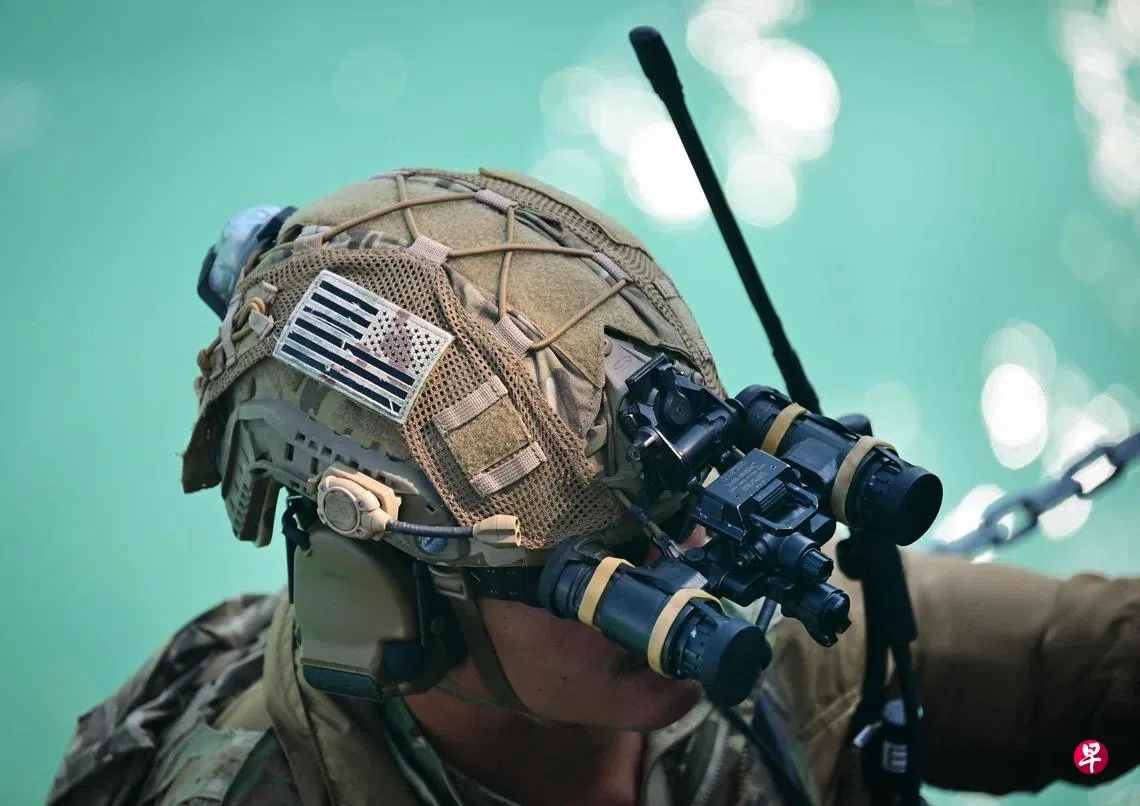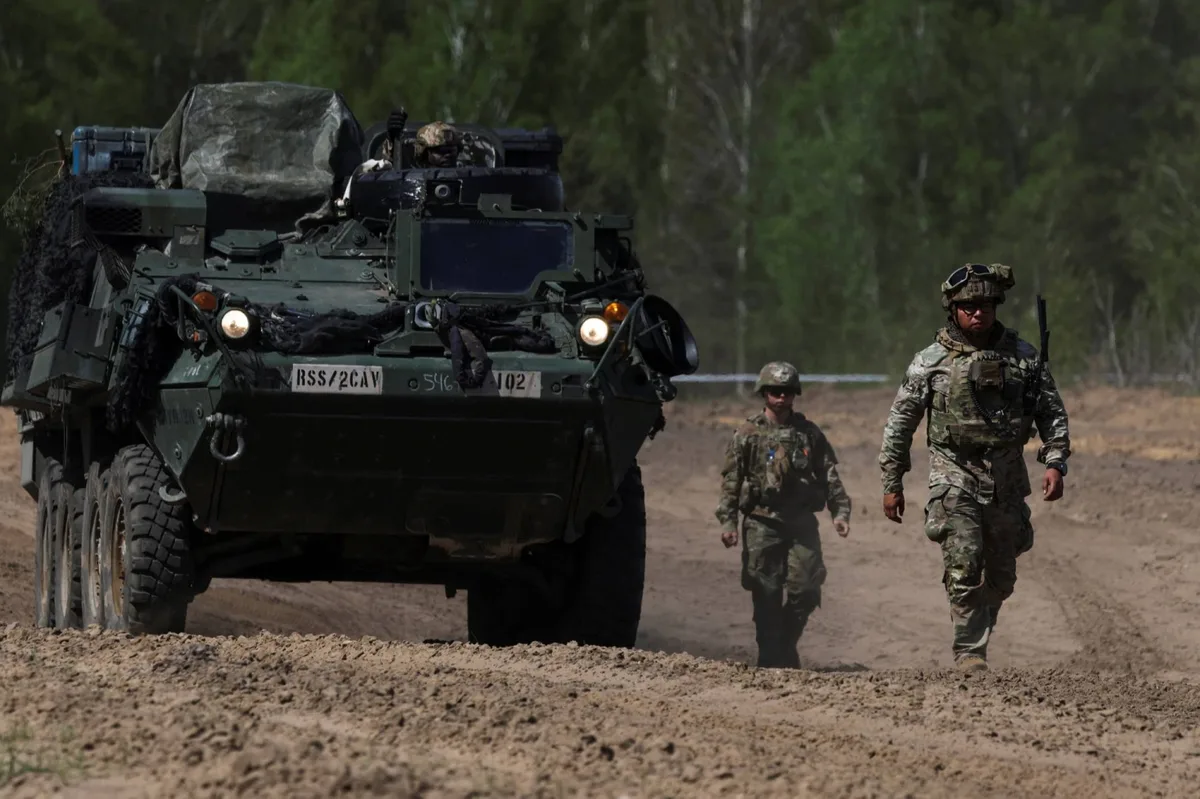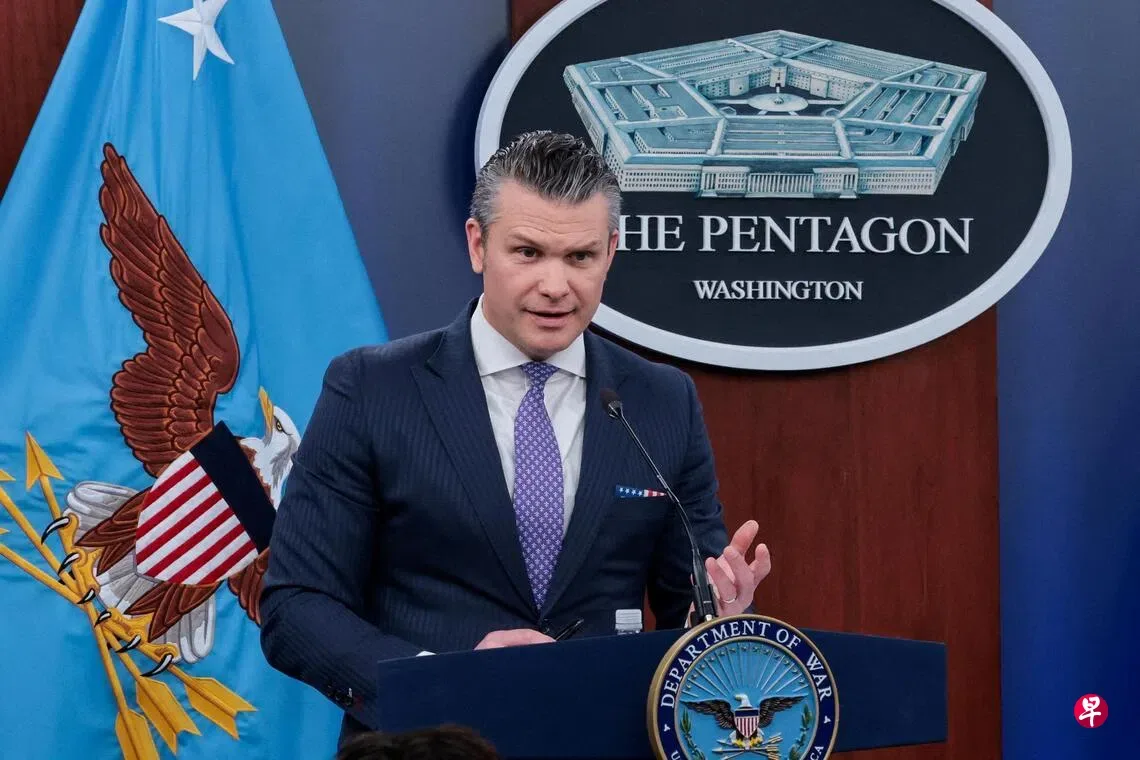
The US Trump administration plans to notify NATO allies on May 22, 2026, in Brussels that it will significantly reduce the size of military forces it commits to NATO's crisis response pool under the NATO Force Model [1, 2, 3]. The NATO Force Model requires members to identify forces available for conflict or major crises [1, 2, 4, 3]. Details on when and exactly which forces will be cut remain classified or unclear [1, 2, 3].
President Trump has stated that European countries should take primary responsibility for their own security and reduce dependence on the US [1, 2, 3]. Deputy Secretary of Defense Elbridge Colby said the US will continue to provide a nuclear umbrella for NATO even if Europe leads on conventional forces, emphasizing, "Even if European allies take the lead with conventional forces, the US will continue to use nuclear weapons to protect NATO members" [1].
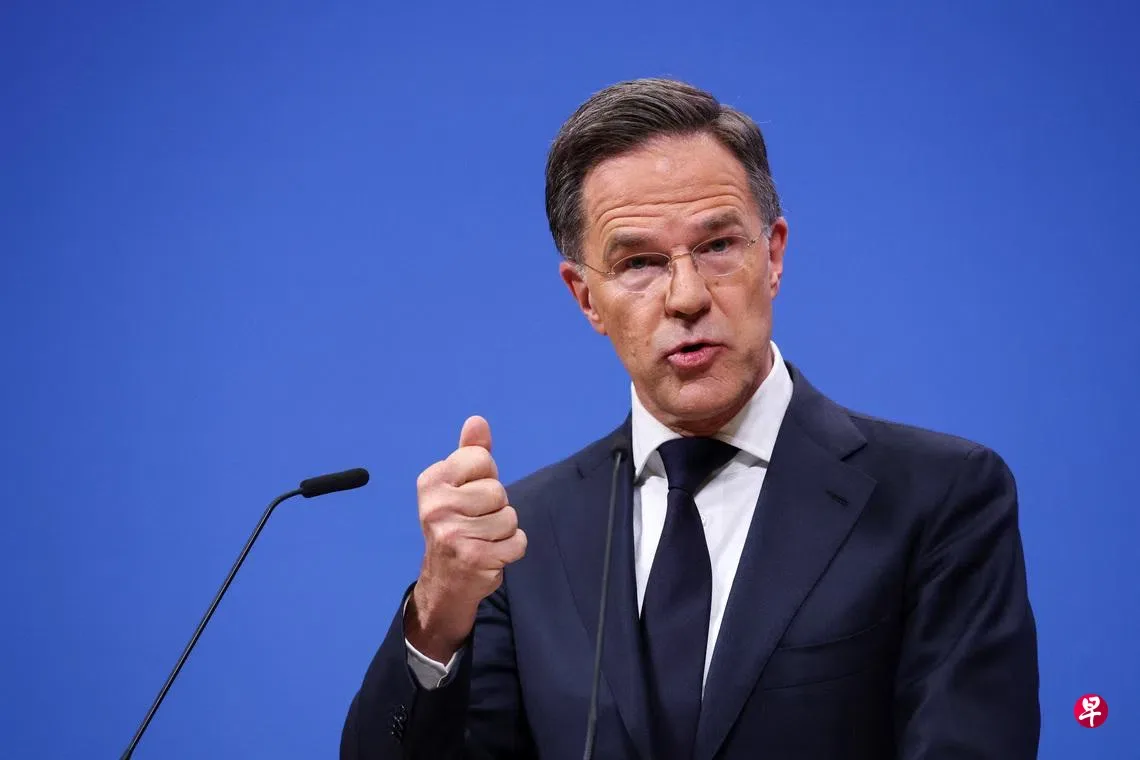
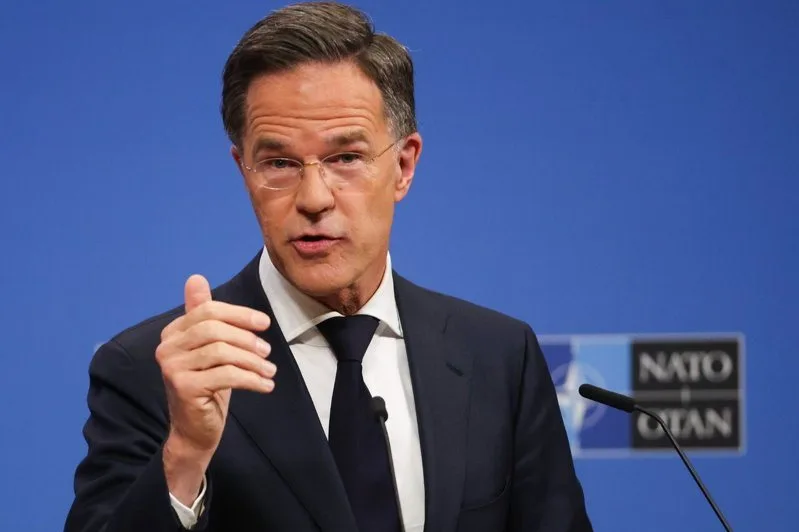
The US is also cutting troop numbers stationed in Europe, withdrawing approximately 5,000 soldiers from Germany [5, 6, 7, 8, 9, 3]. NATO Secretary General Mark Rutte said on May 20 that these troop withdrawals will not affect NATO defense plans, noting that the 4,000 to 5,000 troops being withdrawn are rotational forces and that the alliance remains on a trajectory for "a stronger Europe and a stronger NATO" with less reliance on a single ally [5, 6, 7, 10, 8, 9]. Rutte stated, "The trajectory we are on, which is a stronger Europe and a stronger NATO, making sure we will over time, step by step, be less reliant on one ally only, as we have been for so long" [10].
NATO European Allied Commander Alexus Grynkewich affirmed the alliance's overall defense structure remains solid despite US troop reductions, saying, "Although the US plans to withdraw about 5,000 troops stationed in Europe, NATO's overall defense framework remains robust" [8].
US Vice President JD Vance said the planned deployment of 4,000 troops to Poland has been delayed, not canceled [6, 7]. Meanwhile, US Secretary of State Marco Rubio is attending a NATO foreign ministers meeting in Sweden on May 22 to prepare for the July NATO summit in Turkey where further discussions on the NATO Force Model adjustments may take place [11, 7, 3].