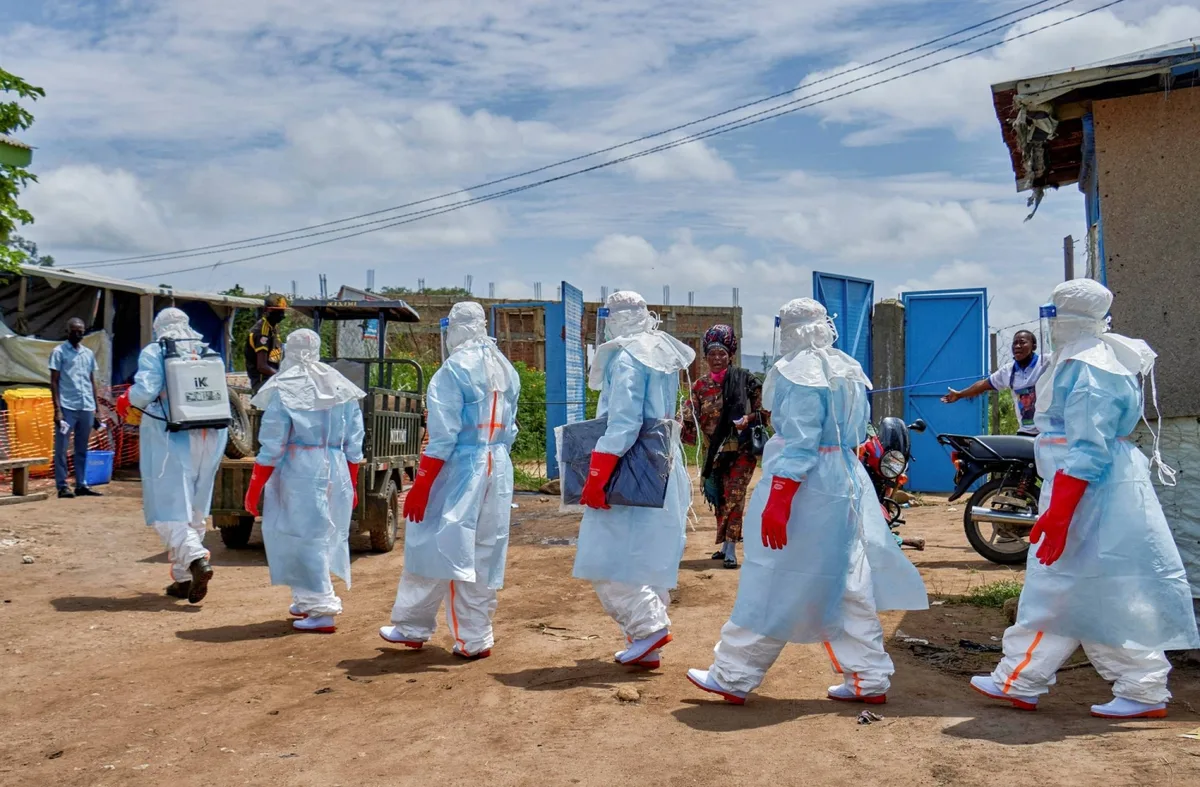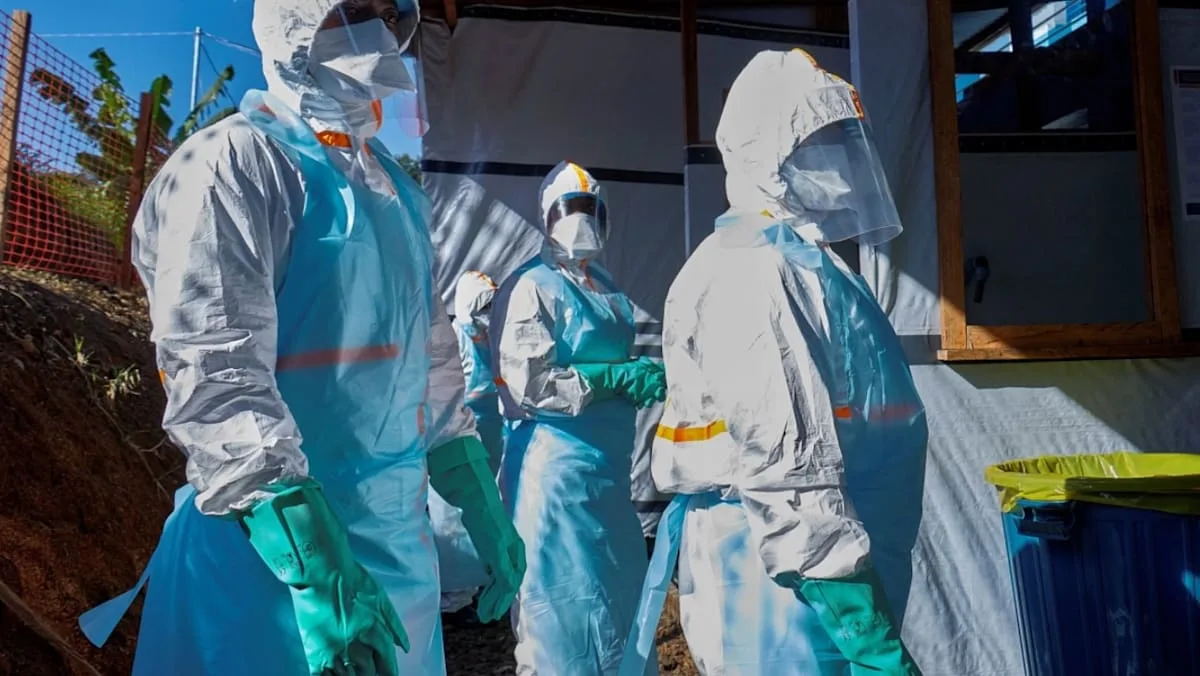
The U.S. government issued a diplomatic demarche on June 1 urging European countries to implement travel restrictions on people who recently visited Ebola-affected Central African nations, including the Democratic Republic of Congo (DRC), Uganda, and South Sudan [1, 2, 3, 4, 5]. The request came amid concerns over the rare Bundibugyo strain Ebola outbreak, which has no approved vaccine or treatment and is worsening in eastern DRC, where armed conflicts and mistrust of health authorities complicate the response [6, 4, 5, 7].
As of June 10, DRC government reports indicated 598 confirmed Ebola cases and 115 deaths, mostly in Ituri, North Kivu, and South Kivu provinces [1, 4, 5]. More recent estimates raise confirmed cases to about 676 and deaths to 136 [6, 7].
The U.S. Centers for Disease Control and Prevention (CDC) last month issued an order barring non-U.S. citizens who have been in these Ebola-affected countries in the past 21 days from entering the United States [1, 2, 3, 4, 5]. U.S. citizens returning from those countries undergo health screenings at designated airports [1, 2, 4, 5]. U.S. Secretary of State Marco Rubio stressed, "绝不能允许伊波拉(Ebola)病毒进入美国" [Ebola must not be allowed into the United States] [4]. A U.S. State Department official added, "美国已经采取行动,现在其他国家也必须尽到责任,确保疫情不会进一步扩散。现在需要的是立即行动,包括资金支持,以及对受影响地区实施合理的旅行限制" [The U.S. has acted; other countries must also act to prevent further spread, including funding and travel restrictions] [1]. Another official said, "其他国家必须善尽本分,确保疫情不会进一步蔓延。现在就需要采取行动,包括财政捐助,以及对来自受影响地区的旅游实施合乎常理的限制" [Other countries must do their part to contain the outbreak through aid and reasonable travel restrictions] [5].
The European Union member states have not publicly responded to the U.S. diplomatic demarche [1, 2, 3, 4, 5]. The U.S. coordinated diplomatically with European Commission President Ursula von der Leyen on response measures [1].
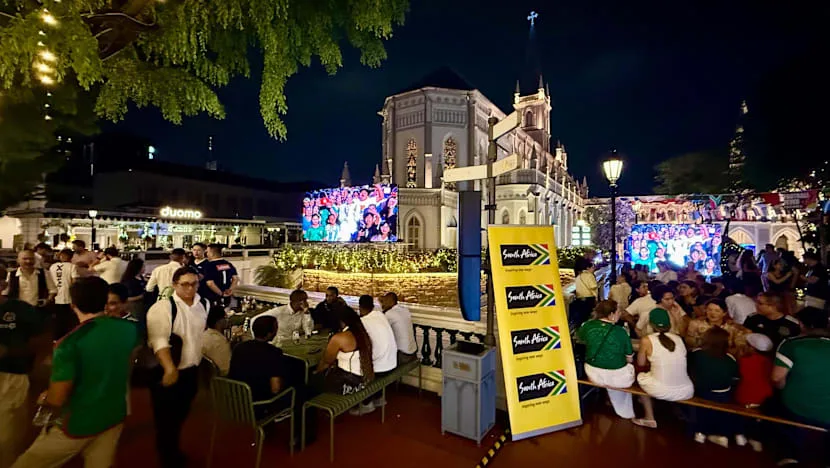
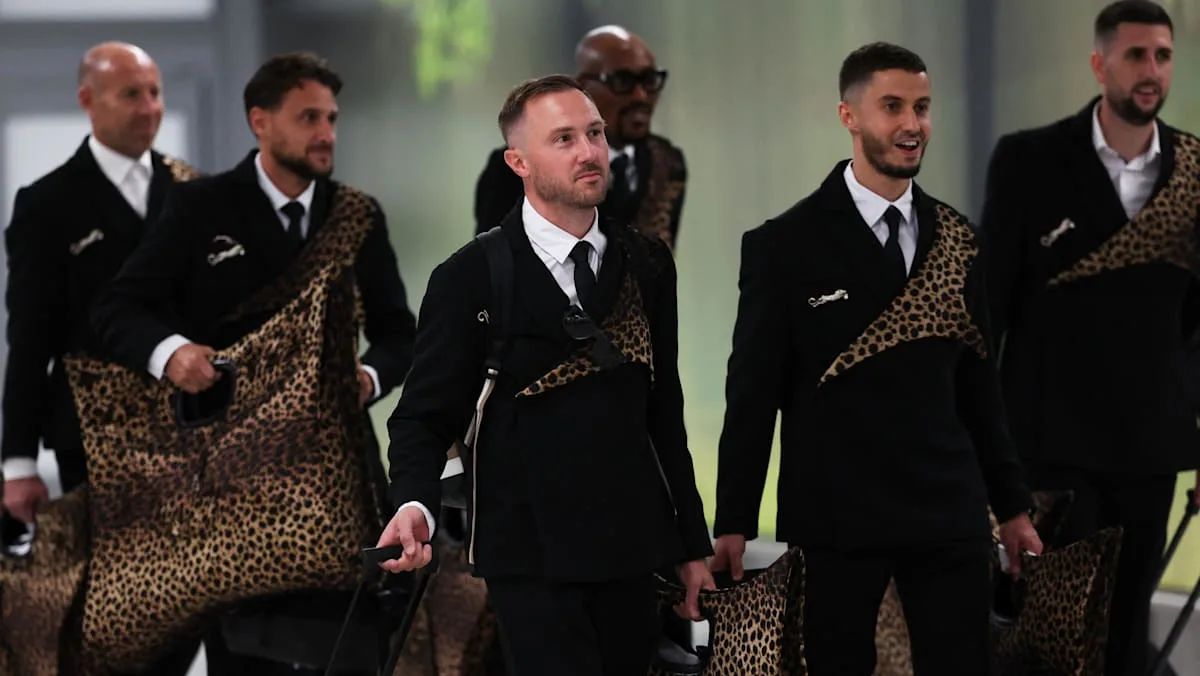
The FIFA World Cup opened on June 11 in the U.S., Canada, and Mexico [1]. The DRC national soccer team arrived in Houston on June 12 after completing a 21-day quarantine in Belgium following weeks of training in Europe, avoiding U.S. entry restrictions related to Ebola [1, 6, 7]. DRC player Aaron Wan-Bissaka said the team "在通过休斯敦机场移民检查后顺利入境,没有遭遇阻碍" [passed Houston immigration smoothly without issues] [6]. However, fans from DRC face obstacles attending matches due to Ebola travel restrictions and quarantine costs. Houston DRC community leader Marcus Epwo said, "受到伊波拉疫情的限制,一般球迷都无法前来观赛" [most fans are unable to come because of the Ebola restrictions] [7].
The U.S. government has pledged over $200 million in aid and sent about 150 tons of medical supplies to areas affected by the Ebola outbreak [1]. The outbreak, officially announced on May 15, continues to pose challenges amid local violence and health system distrust [4, 5].
The situation remains critical as officials urge immediate international action. The World Cup is underway, with heightened vigilance around Ebola-related travel risks.