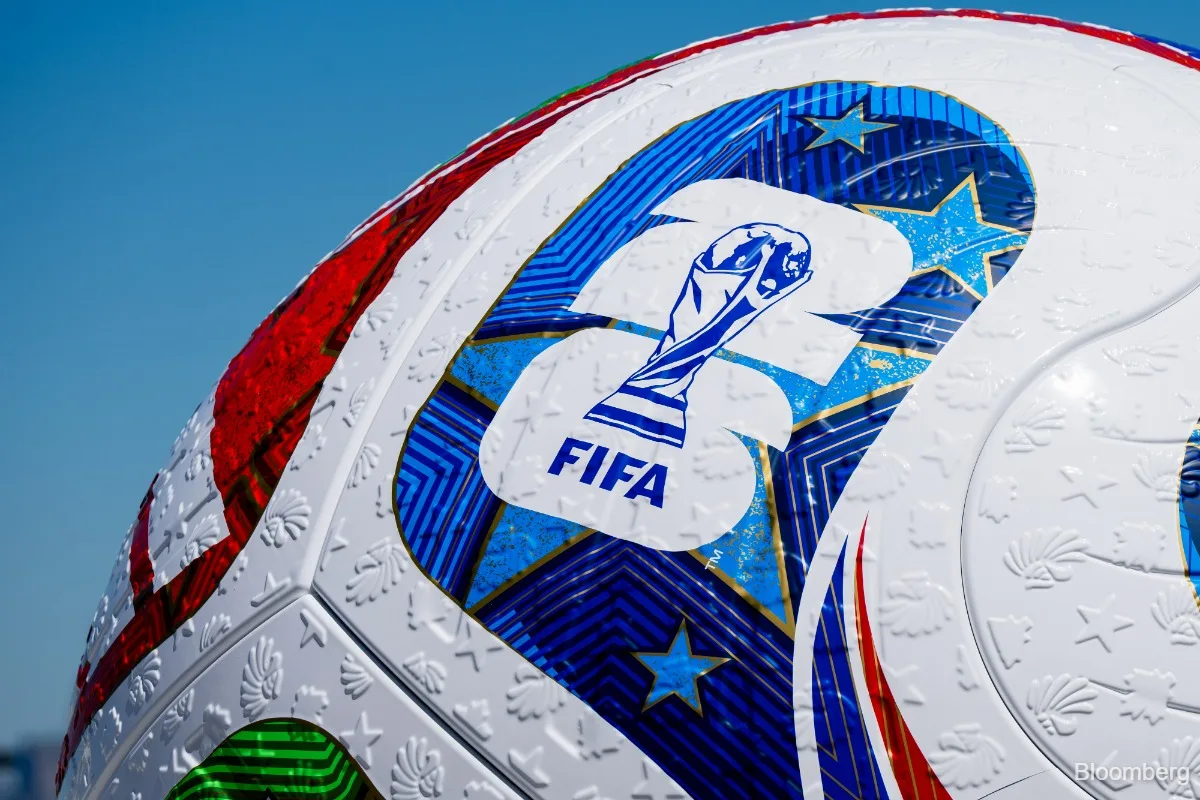
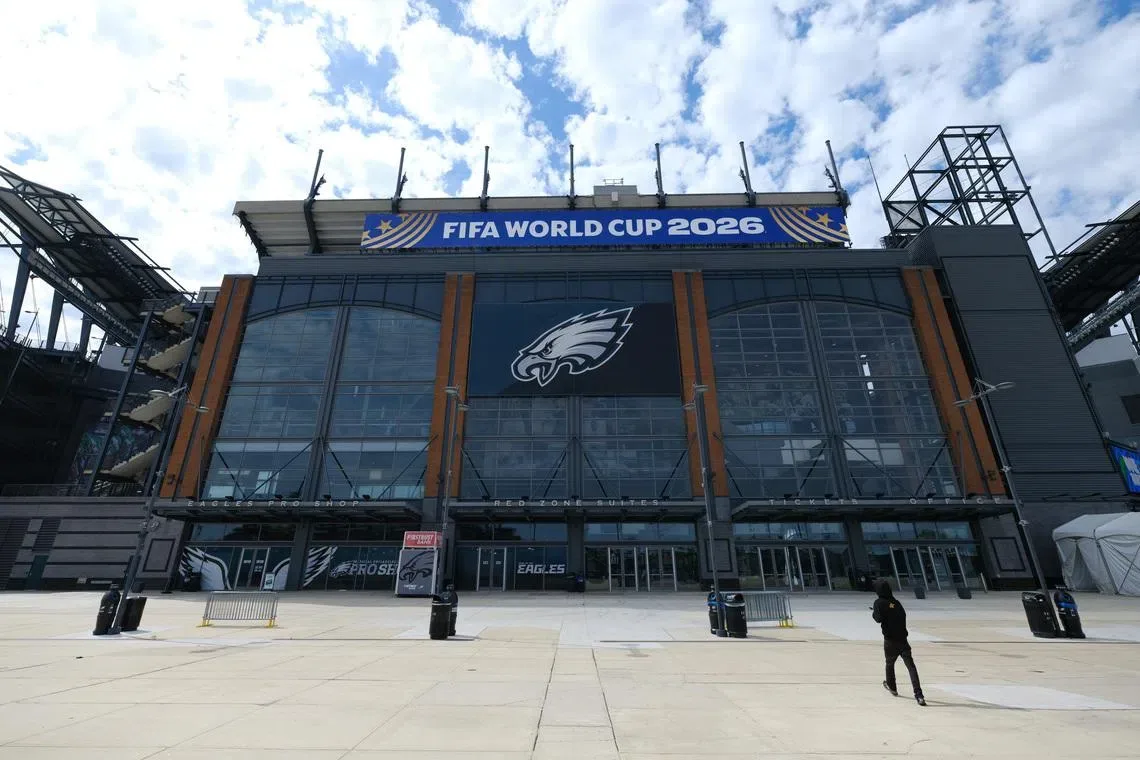
The US government announced on May 13, 2026, that it will waive the $15,000 visa bond requirement for fans from five countries who hold tickets to the 2026 FIFA World Cup and registered through the FIFA PASS system by April 15, 2026 [1, 2, 3, 4, 5, 6, 7, 8, 9, 10, 11, 12].
The affected countries—Algeria, Cabo Verde, Ivory Coast (Côte d’Ivoire), Senegal, and Tunisia—all qualified for the tournament, which will be held June 11 to July 19 in the US, Canada, and Mexico [1, 2, 3, 4, 5, 6, 8, 9, 10, 11, 12]. Prior to this suspension, visitors from 50 countries with high visa overstay rates were required to post bonds up to $15,000 to obtain tourist visas, a security measure introduced in August 2025 [1, 3, 4, 6, 10].
The visa bond serves as a refundable deposit to reduce the risk visitors will remain in the US beyond their permitted stay [1, 3, 6, 9]. Before the suspension, players, coaches, and some team staff from the five countries were already exempt from the bond requirement. Now qualifying fans who registered on FIFA PASS by the deadline will also be exempt, allowing easier access to the World Cup [1, 2, 3, 4, 6, 7, 11].
On the expanded waiver, Assistant Secretary of State for Consular Affairs Mora Namdar said, "We remain committed to strengthening U.S. national security priorities while facilitating legitimate travel for the upcoming World Cup tournament." She added, "We are waiving visa bonds for qualified fans who bought World Cup tickets and opted in to FIFA PASS as of April 15, 2026" [1, 2, 6].
The FIFA spokesperson called the waiver "demonstrating ongoing collaboration with the White House to deliver a successful, record-breaking and unforgettable global event" [3]. The tournament's first US match is set for June 12 in Inglewood, California [4, 7, 9, 12].
Despite the waivers, some qualified nations such as Iran and Haiti remain barred from entry, though their players and staff continue to be exempt from the bond [3, 4, 6, 8, 9, 11, 12]. Other Trump administration immigration measures remain in place, including social media history checks and ICE enforcement at airports [1, 3, 4, 6, 8, 11].
The US State Department expects up to 10 million visitors across the three host countries during the tournament [6]. The bond suspension aims to ease travel for fans from the five qualifying nations as the event approaches.
The World Cup begins June 11, 2026, with matches in the US, Canada, and Mexico set to draw massive international crowds [4, 7, 9, 12].