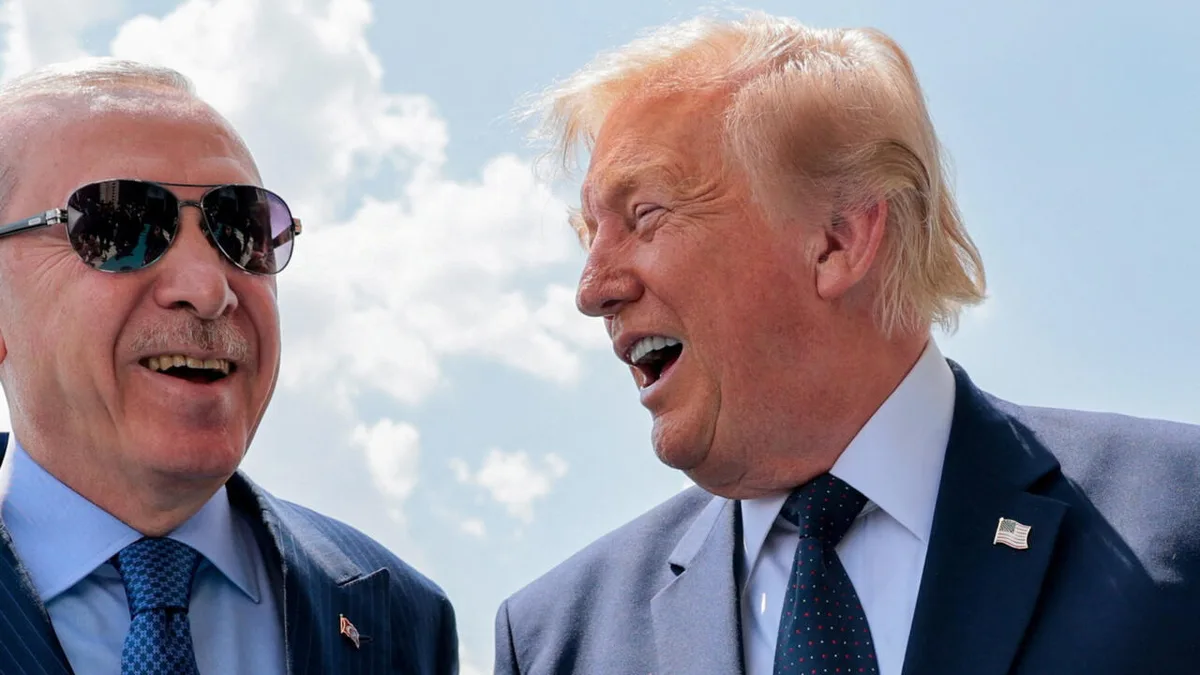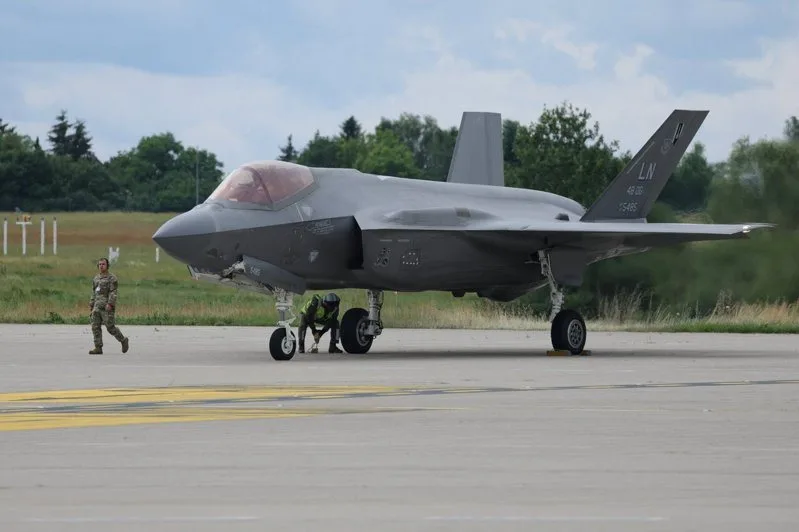
U.S. President Donald Trump expressed willingness to sell F-35 fighter jets to Turkey during the NATO summit held in Ankara in early July 2026. He described Turkey as a loyal NATO ally and said, "It's a great plane, it's the best, currently the best plane by far. And it's certainly something we will consider" [1, 2, 3, 4, 5]. Trump also announced plans to remove U.S. sanctions imposed on Turkey for its 2019 purchase of the Russian S-400 missile defense system, which led to Ankara's removal from the F-35 program seven years ago [1, 2, 6, 4, 5].
Turkey was excluded from the F-35 program after acquiring the Russian system in 2019, which raised security concerns among U.S. and NATO officials [1, 2, 6, 3, 4, 5, 7, 8]. Before its removal, Turkey had purchased five F-35 jets and is reportedly seeking their delivery amid thawing relations with Washington [4, 8]. Ankara also aims to acquire U.S.-made F110 turbofan engines — used to power its indigenous Kaan stealth fighters — negotiating for around 80 additional engines after receiving 10 as of late 2025 [7, 8].
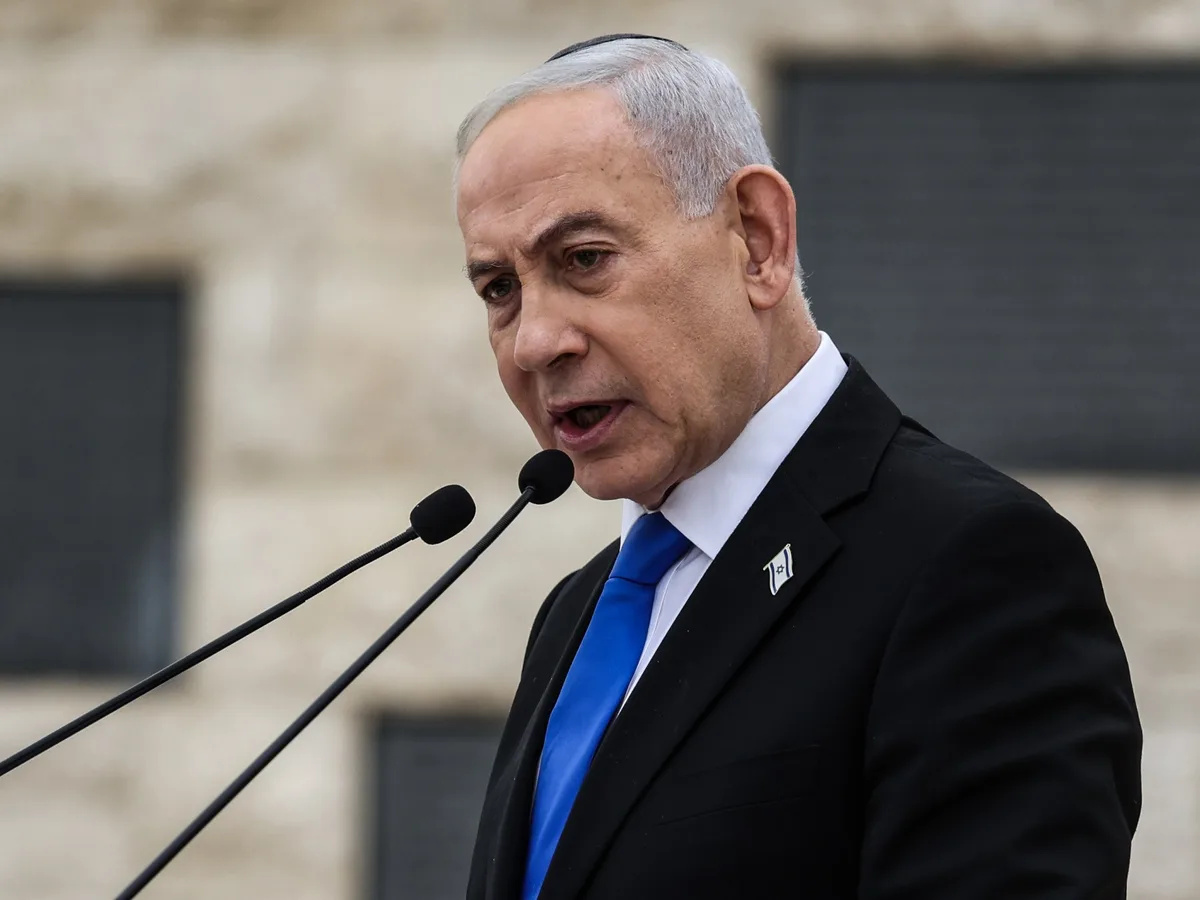
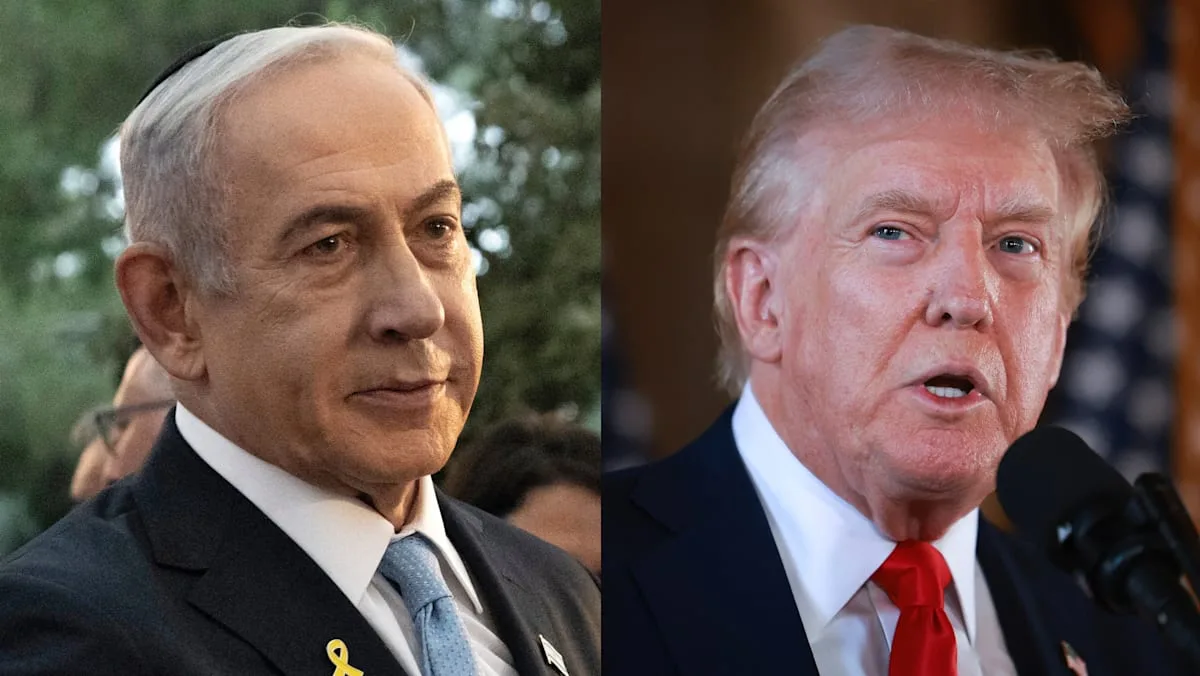
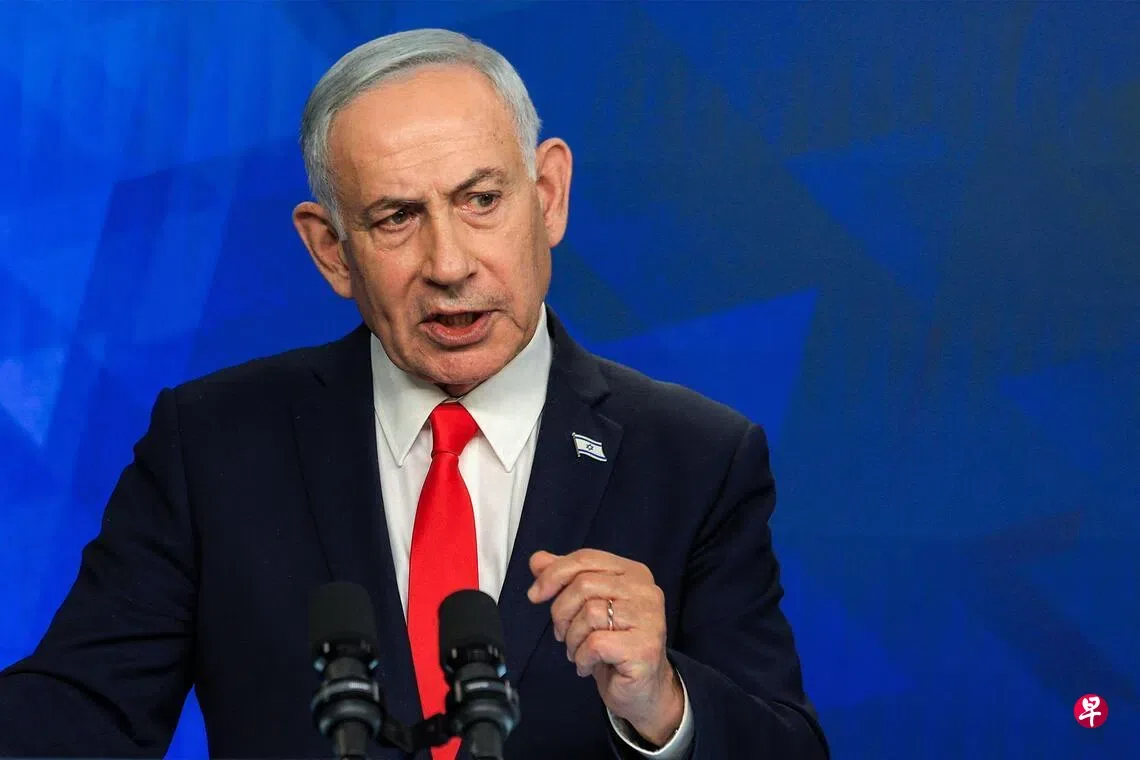
Israeli Prime Minister Benjamin Netanyahu strongly opposes the potential sale, warning it would "destroy the power balance in the Middle East because Turkey has aggressive aspirations" [1, 9, 10, 2, 6, 4, 5, 7]. He called Turkey's intentions "aggressive aspirations" and warned that providing F-35s to Ankara would lead to increased regional aggression [1, 9, 2, 6, 4, 5]. Netanyahu has publicly pledged to lobby against any F-35 sales to Turkey and related engine exports to preserve Israeli air superiority and regional stability [10, 7]. Ahead of the NATO summit, he urged Trump to restrain Turkish President Erdoğan's anti-Israel rhetoric and held meetings and calls with U.S. officials, including Defense Secretary Peter Hegseth, to discuss these concerns alongside Iran-related issues [1, 6, 11, 12, 3, 5].
Israeli Ambassador to the U.S., Gilad Erdan, echoed the opposition, stating, "Turkey should not get the F-35. That is our public position" [7]. Netanyahu denied reports of any rift with Trump while praising the U.S. as an important ally, despite criticizing Turkey's military ambitions [10, 12].
Turkey strongly rejects Israeli claims, dismissing them as "false information" and "misinformation propaganda" and calling the accusations a "coordinated and calculated attack" ahead of the NATO summit [8]. Ankara argues that acquiring F-35 jets would not upset the regional balance and calls for peaceful and constructive policies [8].
A bipartisan group of U.S. lawmakers has also expressed concerns about potential F-35 sales to Turkey, reflecting domestic resistance in Washington [9, 3]. Although Trump showed openness to reconsider Turkey's exclusion from the F-35 program, U.S. laws currently block the sales, and significant political and security hurdles remain [1, 2, 6, 3, 4, 5].
Turkey is seeking to improve ties and obtain both F-35 aircraft purchased earlier and new fighter engines to bolster its domestic stealth jet program, signaling a push for greater U.S. cooperation [4, 7, 8].
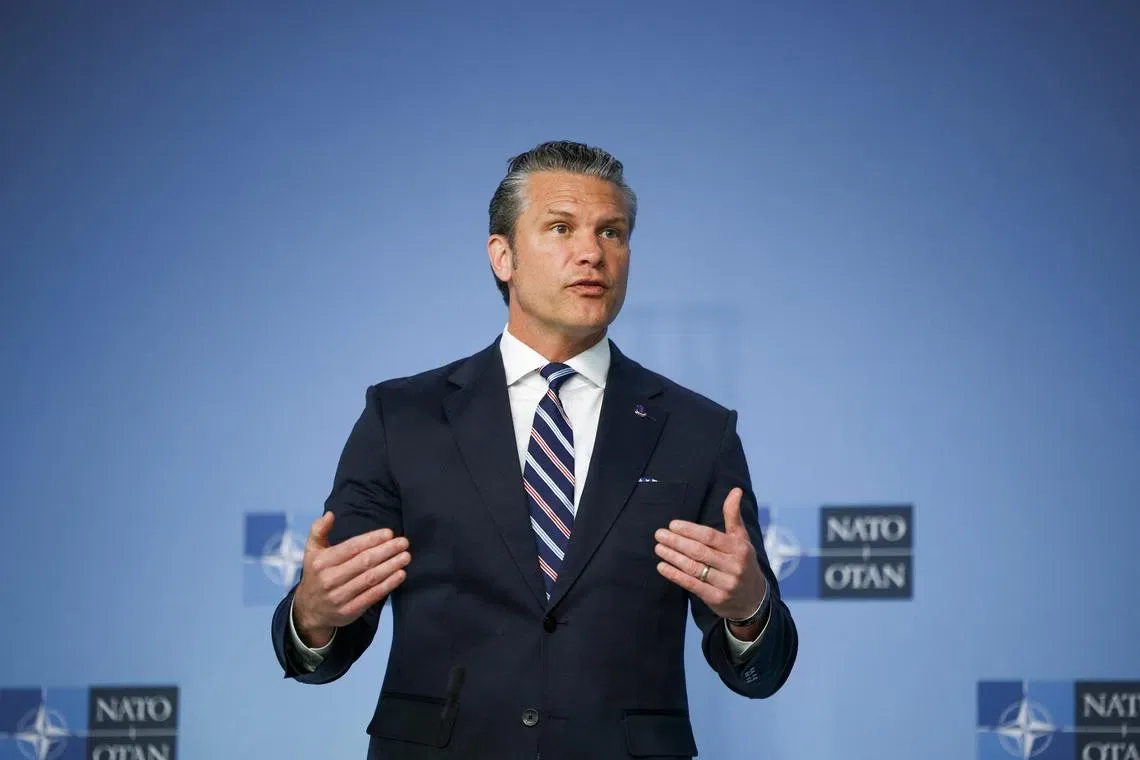
On July 8, 2026, U.S. Defense Secretary Peter Hegseth was scheduled to meet Netanyahu and Israeli Defense Minister Israel Katz to discuss the F-35 sale and Iran-related security issues, underscoring ongoing consultations between Washington and Jerusalem [1, 6, 5].