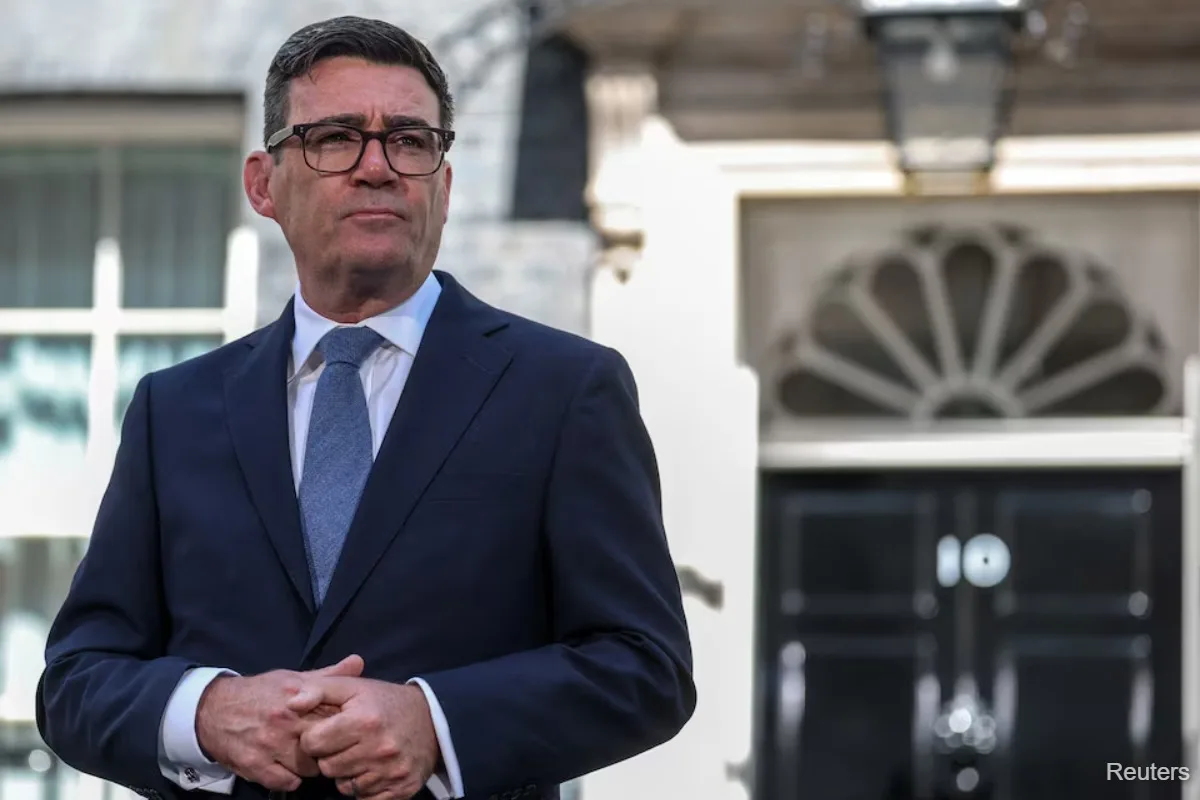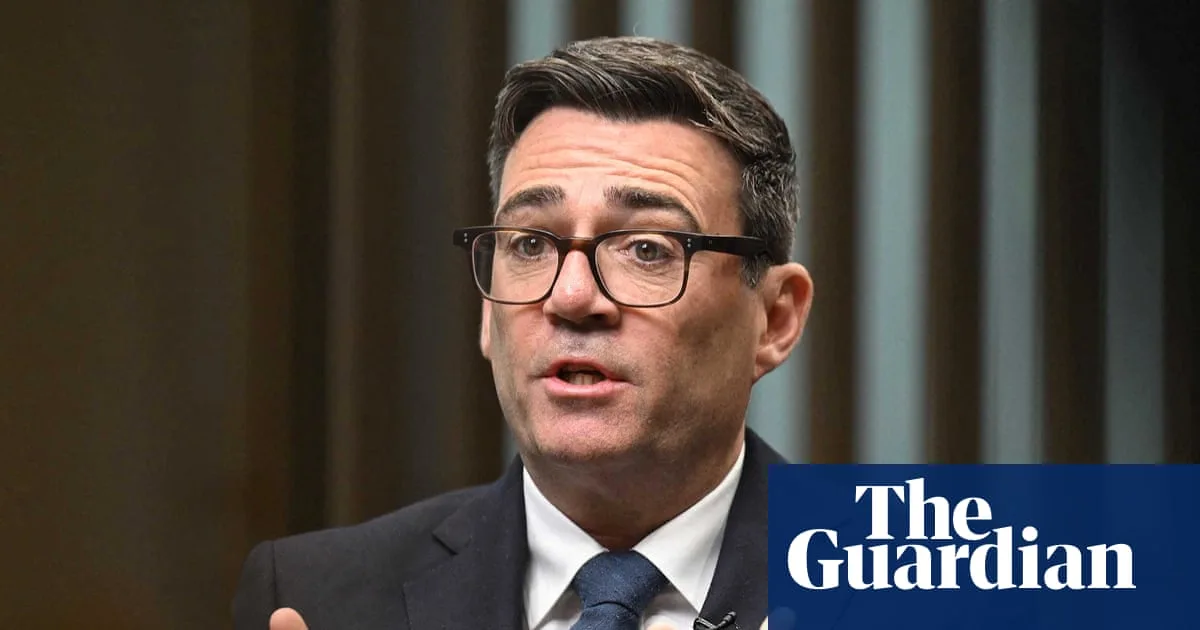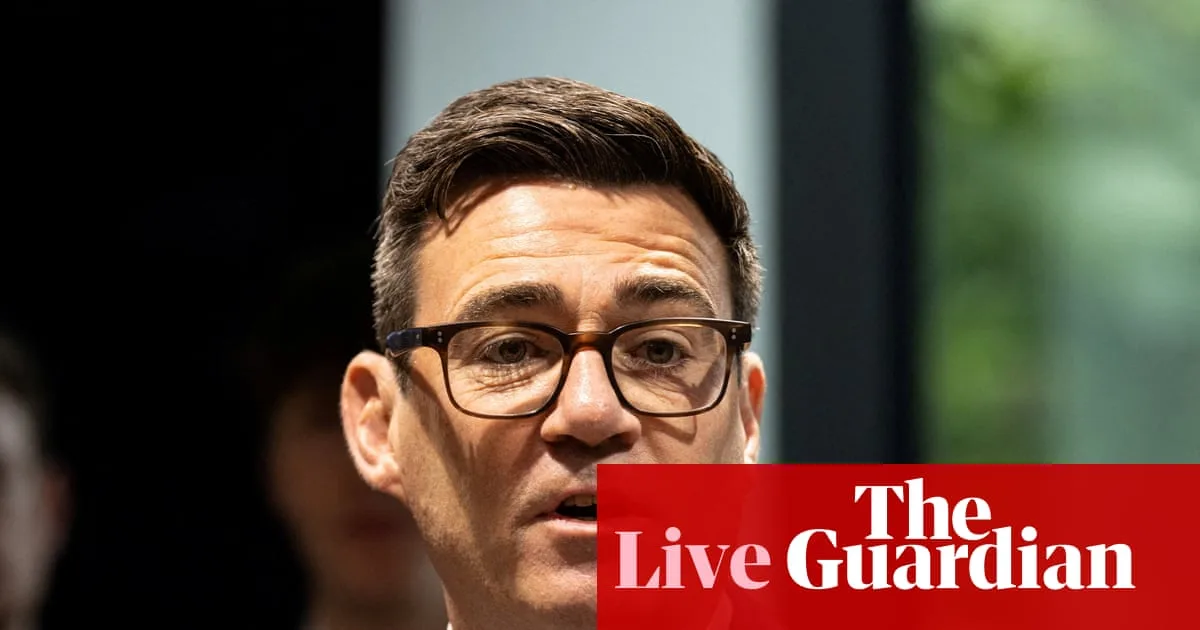
Andy Burnham became the United Kingdom’s prime minister on July 21, 2026, succeeding Keir Starmer [1, 2, 3, 4]. In a BBC interview days later, Burnham emphasized he would always put Britain's national interests first, saying, "All leaders have to do that. You have to defend your own national interest before anything else" [1]. He stated he would not hesitate to publicly call out US President Donald Trump to protect British interests [1, 2, 3, 4, 5]. Shadow health secretary Wes Streeting noted, "President Trump, his administration – that’s not what they’re looking for. He’s a straight talker" [2].
Burnham ruled out calling a general election before 2029, adding, "There’s no early general election. I don’t think people want it" [1, 2, 4]. On defense, he confirmed plans to increase or fully fund the UK’s defense investment but declined to commit to the previous 3% of GDP spending target set by Starmer [1, 3, 5].
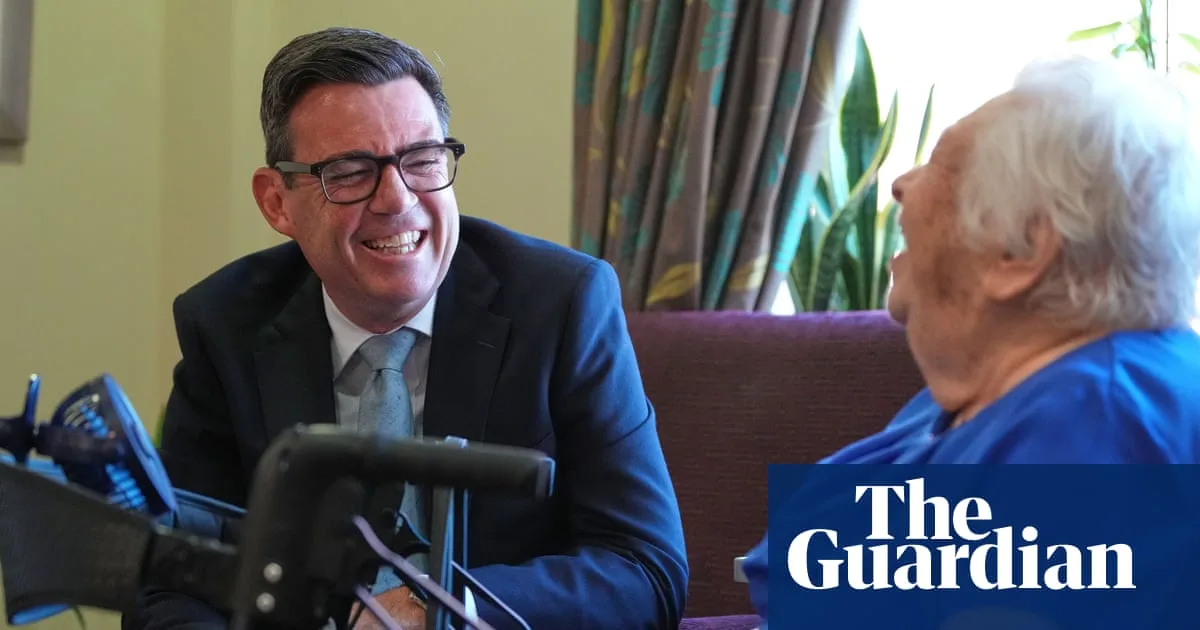
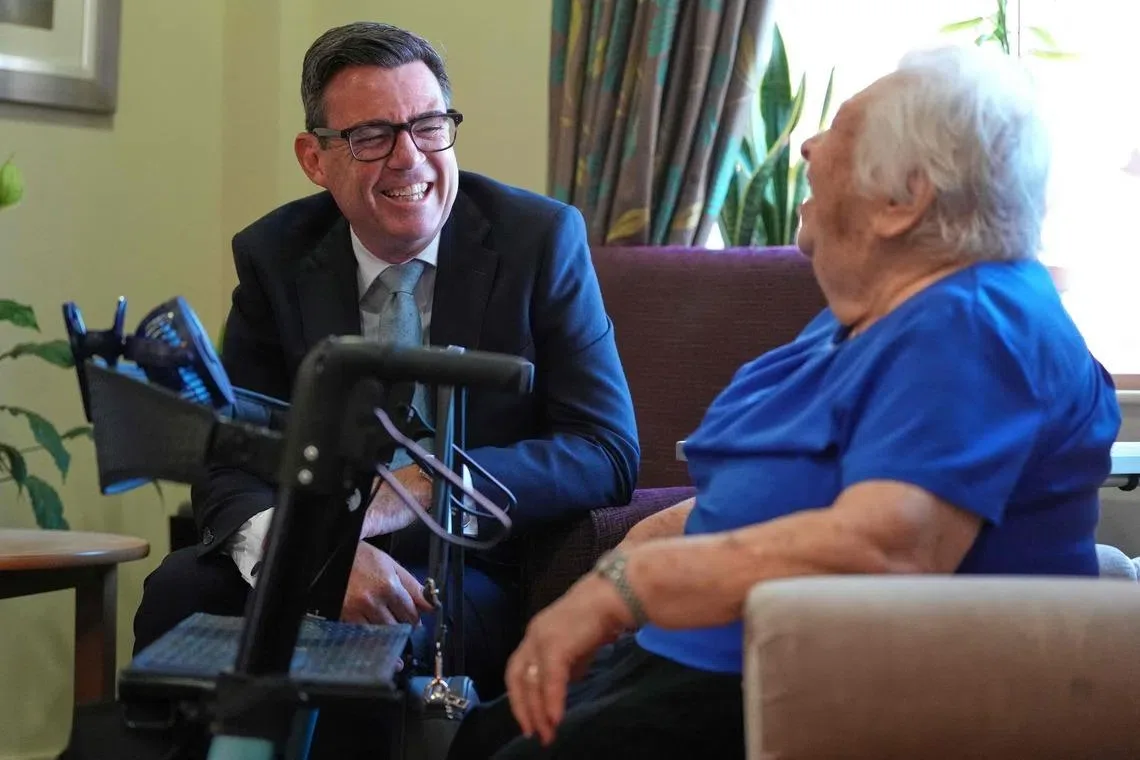
A top priority for Burnham is urgent reform of the adult social care system, aiming to relieve pressure on the NHS and improve elderly and disabled care across the UK [6, 7, 8, 9, 10]. Currently, social care is means-tested and largely privatized. Costs vary widely, with average weekly care home fees around £1,400 privately and £1,000 paid by local authorities, which struggle to meet demand [6, 7, 8]. Burnham said, "I will go as quickly as I can on the reform of social care. I would not want to leave office without having brought in the substantial change" [6].
He opposes private sector profiteering in social care, favoring models akin to the NHS or community-led services rather than large private equity firms, as social care expert Louise Casey condemned, "I don’t like the idea of profiteering out of human misery and human life. I object to that" [8, 9]. Burnham has a personal connection as his father suffered from Alzheimer’s disease [6, 7].
To address the crisis, Burnham initiated a nine-month national public consultation starting July 2026 and seeks cross-party cooperation [8, 10]. He indicated tax increases may be needed to fund the reforms successfully [10].
Burnham also delayed publicly endorsing legalizing assisted dying, emphasizing the need to improve end-of-life and palliative care first. He said, "It is very challenging to introduce that wider debate [on assisted dying] in a context of people not receiving that care and having the peace of mind about that care" [11, 12]. He previously abstained on a 2015 assisted dying vote and expressed conditional 2024 support for the principle, stressing better hospice funding first [11, 12].
Burnham's next steps include setting out early plans for social care reform, following a speech on July 29, 2026, where he announced the public consultation and possible tax rises to fund care improvements [9, 11, 12, 10].