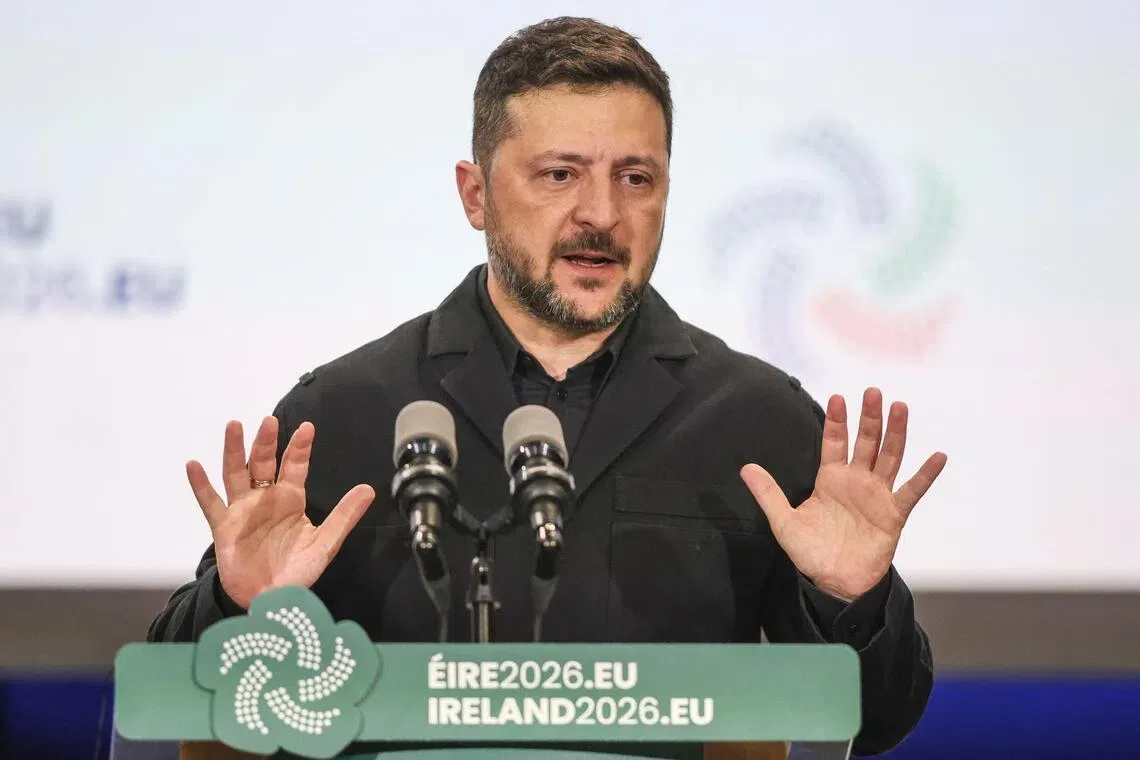
Ukraine failed to intercept all 29 Russian ballistic missiles launched in a coordinated attack on Kyiv from July 5 to 6, including 23 Iskander-M and 6 Zircon and Oniks missiles, marking a sharp deterioration in its missile defense capability [1, 2]. Ukrainian President Volodymyr Zelenskyy said, "Our warriors performed well today in intercepting drones and cruise missiles, but unfortunately not Russian ballistic missiles. The reason lies in the insufficient supply of interceptor missiles" [2].
The Russian strike involved more than 169 drones and a mix of missile types, aiming to saturate and overwhelm Ukraine's layered air defenses [1, 3]. While Ukraine intercepted over 80% of drones, no ballistic missiles were stopped during the barrage, a stark decline from earlier clashes where about one-third or more of missiles were neutralized [1, 3].
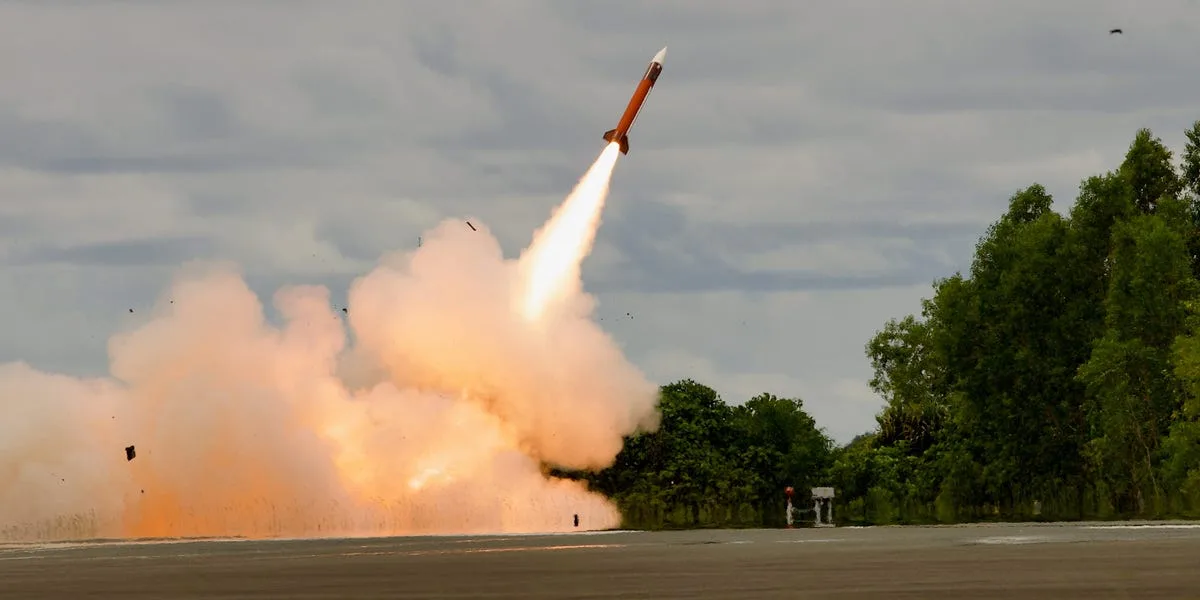
The shortage of U.S.-made Patriot PAC-3 interceptors critically limits Ukraine’s ability to defend against high-speed, high-altitude ballistic missiles. The Patriots are regarded as the most effective Western system for such threats [1, 2]. The estimated cost of one Patriot PAC-3 missile is around $4 million [2]. Ukrainian President Zelenskyy and Defense Minister Mykhailo Fedorov have repeatedly urged NATO allies to increase deliveries, arguing sufficient global stockpiles exist [1, 2, 4]. NATO Secretary General Mark Rutte noted, "Allies don’t have an endless supply of interceptors" [1].
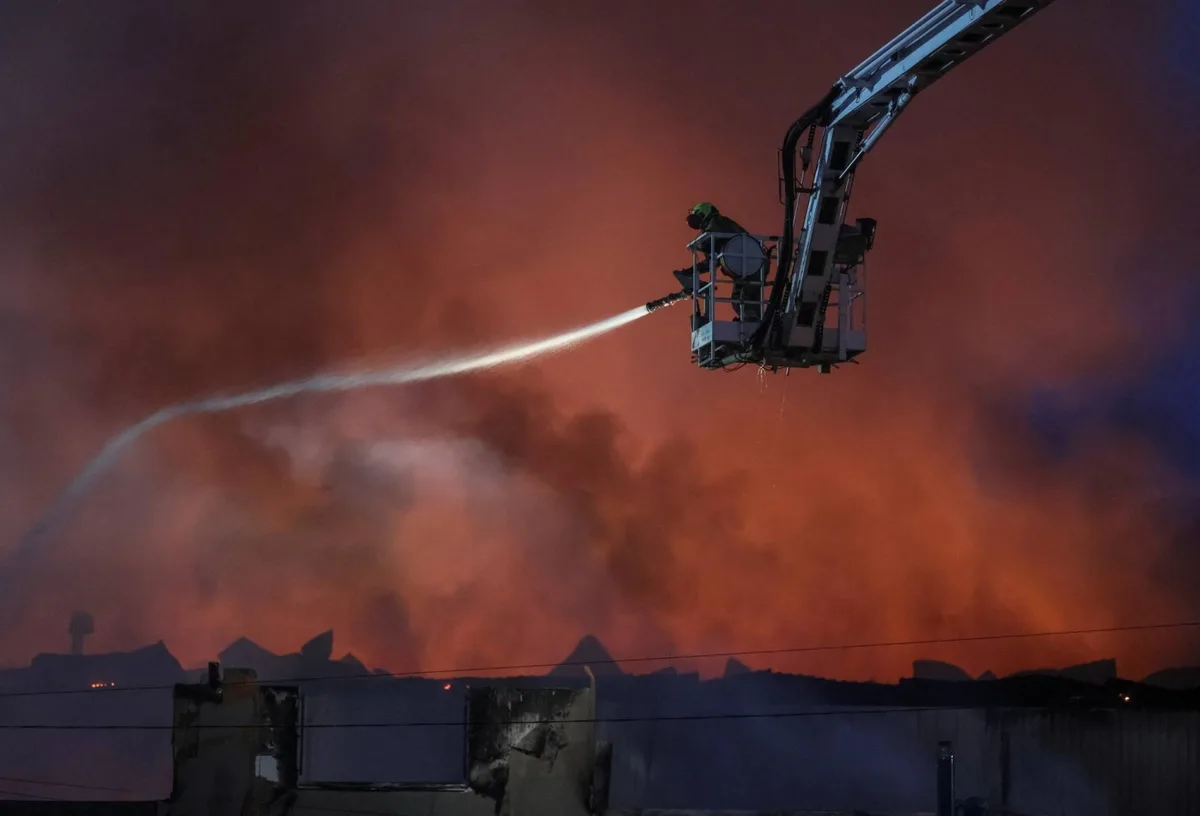
The Russian strikes in July killed about 60 people in the Kyiv region, including at least one woman and two wounded in the recent large attack, which also damaged homes, a church in Kharkiv, and triggered fires in storage buildings [3]. Russian President Vladimir Putin insists on continuing military pressure, demanding Kyiv cede control of eastern Donetsk despite facing setbacks [3].
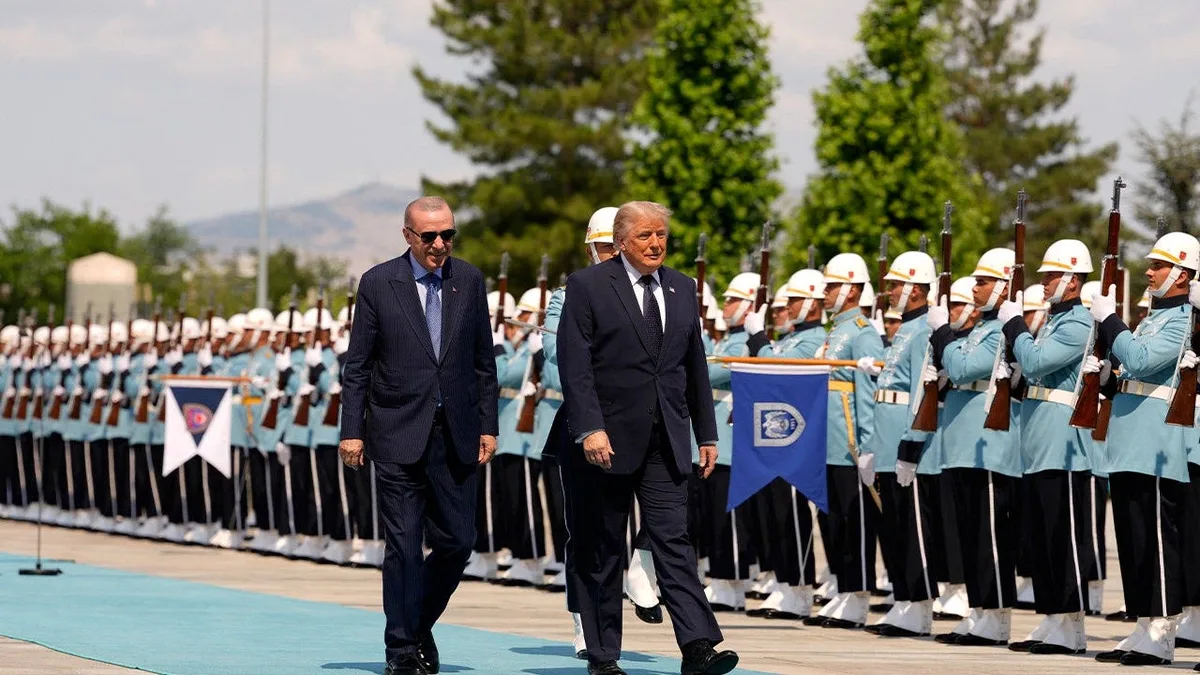
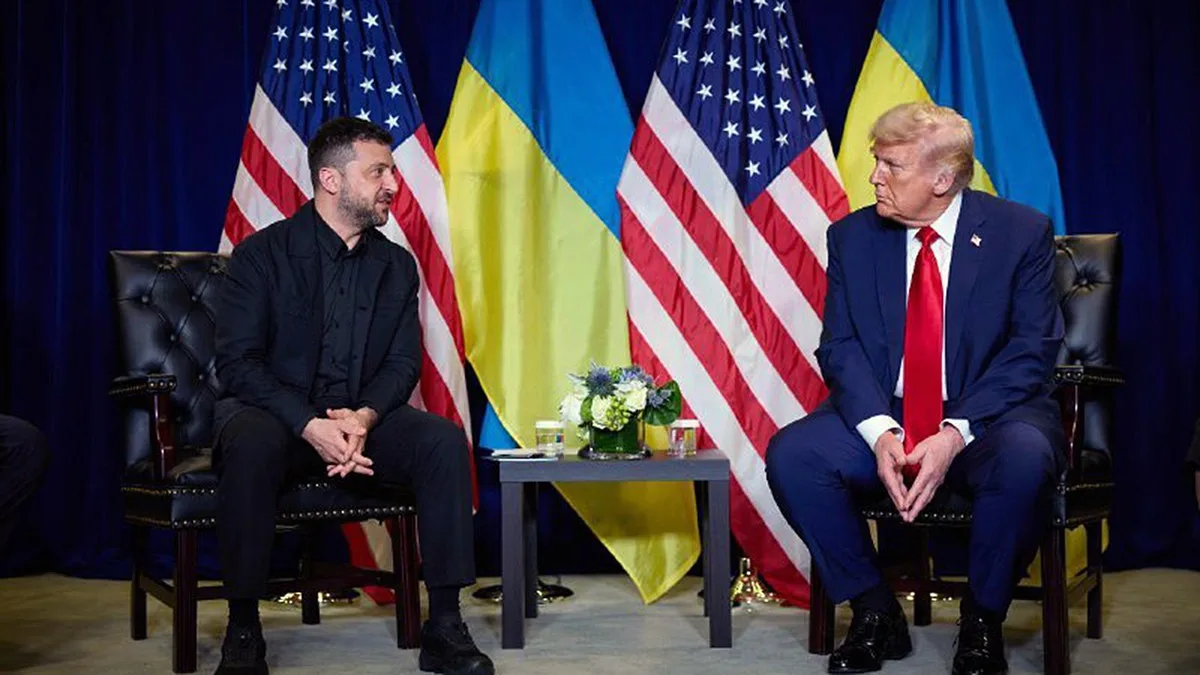
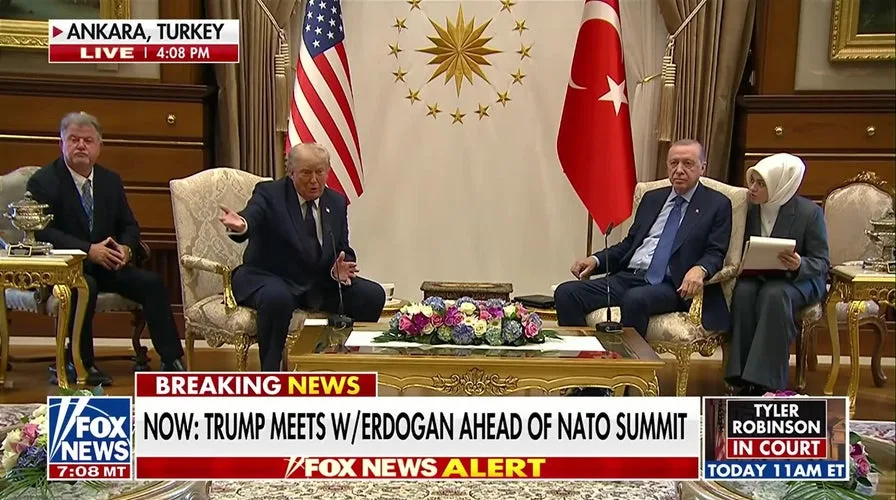
The NATO summit underway in Ankara includes a key meeting between U.S. President Donald Trump and President Zelenskyy, with air defense assistance and Patriot missiles expected to dominate discussions. Trump remarked, "We don't sanction friends," and expressed hope that the war could be "settled, hopefully soon" [3, 4].
The next key event is the ongoing NATO summit discussions on defense aid to Ukraine, during which further decisions on Patriot interceptor shipments are anticipated [3, 2, 4].