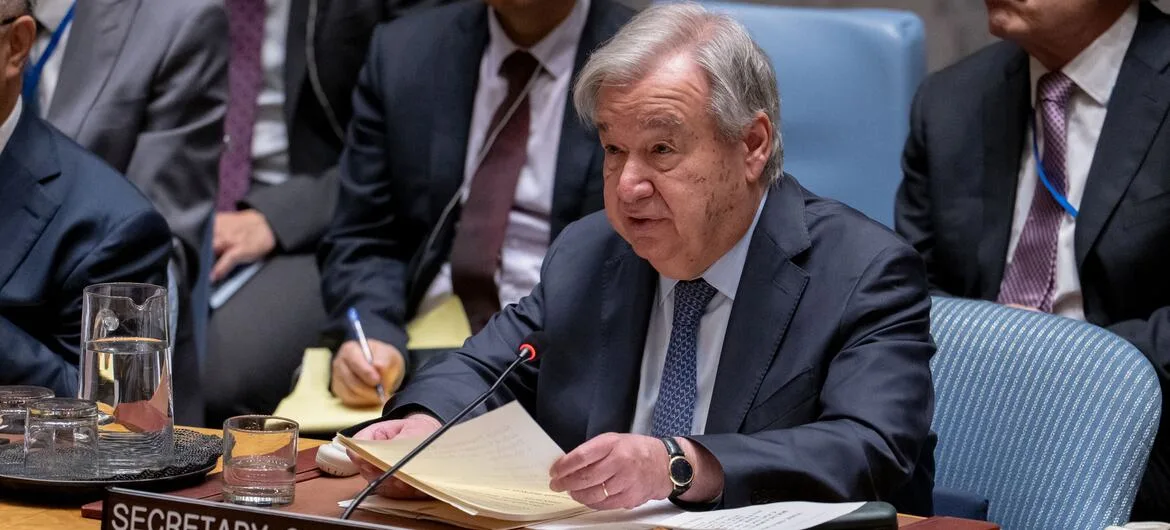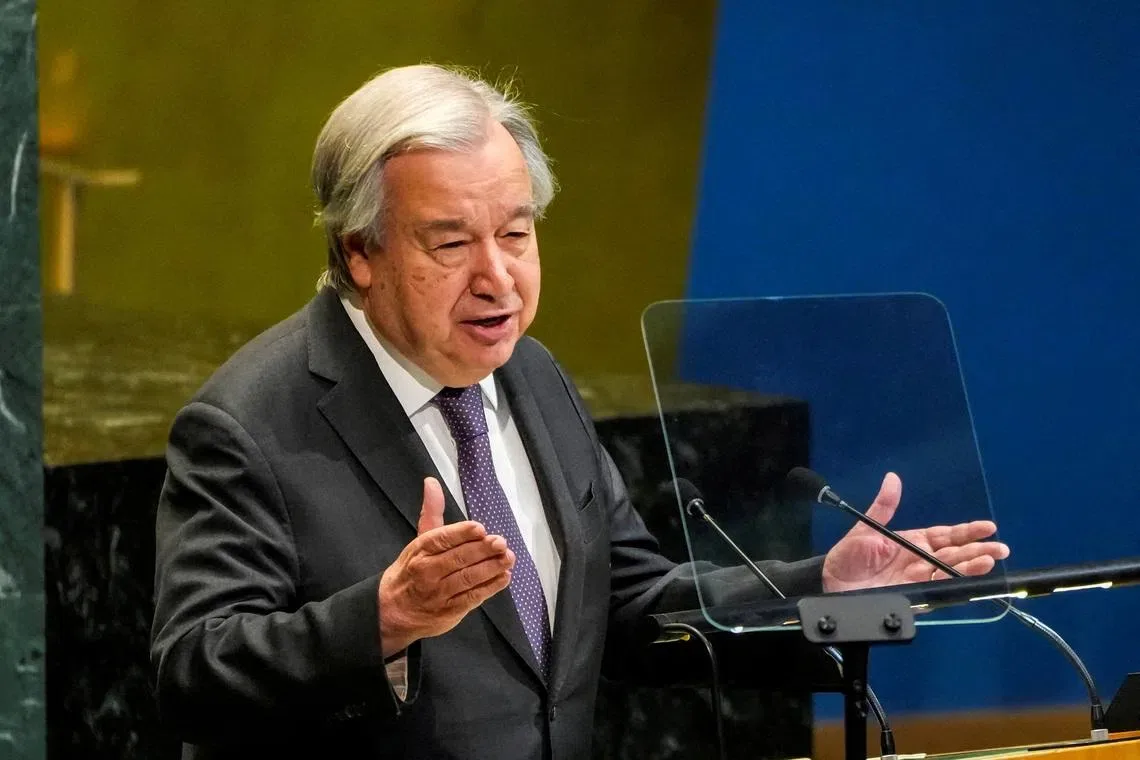
UN Secretary-General Antonio Guterres expressed deep concern over renewed violence in the Middle East involving Israel, Iran, and Lebanon. He called for an immediate end to all attacks and full respect for ceasefires in Lebanon, Iran, and Gaza, urging the reopening of crossings into Gaza to allow humanitarian aid to reach civilians [1, 2, 3, 4, 5, 6, 7].
Tensions escalated sharply on June 8-9 when Israel launched airstrikes on Iranian targets for the first time since April 2026. Iran responded with missile attacks on Israel. Both sides agreed to halt hostilities following intervention by US President Trump, though they retained the option to resume fighting. Some sources reported Iran declared its operations ended while Israel paused strikes after Trump’s call [1, 6, 7].
A US-brokered ceasefire between Israel and Hamas, in effect since October 2025, was intended to improve humanitarian aid access to Gaza. Yet violations have led to more than 950 Palestinian deaths and 4 Israeli soldier fatalities since that ceasefire, underscoring the fragile situation [1, 3, 7].
Guterres stressed the need for a political resolution and reiterated his support for a two-state solution as the only credible path to lasting peace between Israel and Palestine. He urged the UN Security Council to fully back this approach. "The Israeli-Palestinian conflict has gone unresolved for decades. It's time to get serious about the only credible way forward: An end to the occupation and a two-state solution," he said [2, 4].
In Lebanon, Guterres expressed alarm over escalating conflict marked by increased Israeli military operations and Hezbollah rocket attacks. These hostilities have displaced over 1 million civilians and killed 7 UN peacekeepers, adding to regional instability [2].
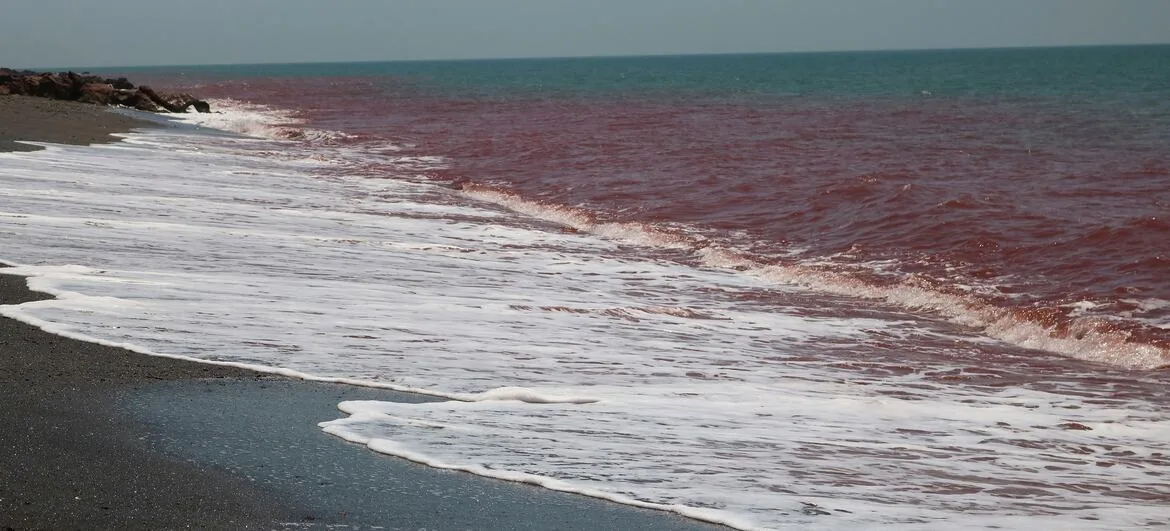
The UN chief also warned of growing hostile rhetoric and a fragile ceasefire in the Gulf region. He stressed respect for navigation rights around the strategic Strait of Hormuz, where on or before June 9 a Palau-flagged oil tanker was attacked near Oman, killing 3 crew members. The International Maritime Organization condemned the assault, noting 44 attacks on shipping and 14 deaths since late February 2026. "I strongly condemn any act that endangers seafarers' lives and international shipping safety," IMO Secretary-General Kitack Lim said [2, 8, 9, 4, 5].
The conflict and related energy disruptions have contributed to a slowdown in 2026 global economic growth to 2.5%, down from 2.9% in 2025, according to the World Bank. The bank pledged $80–100 billion in aid over 15 months to assist developing countries affected by the crisis [9].
In response to growing tensions, Guterres launched the "Muscat Action Plan" to combat hate speech, which he identified as a serious threat to peace and security [9]. He called for intensified US-Iran dialogue and diplomacy to find a peaceful, comprehensive resolution to the conflict [5].
On June 10, Guterres urged the UN Security Council to support the two-state solution and warned the conflict could fully resume across the region without sustained diplomatic efforts [4]. His spokesperson reiterated deep concern over escalating strikes and underscored that "the only way forward is through genuine dialogue and negotiations" [5].