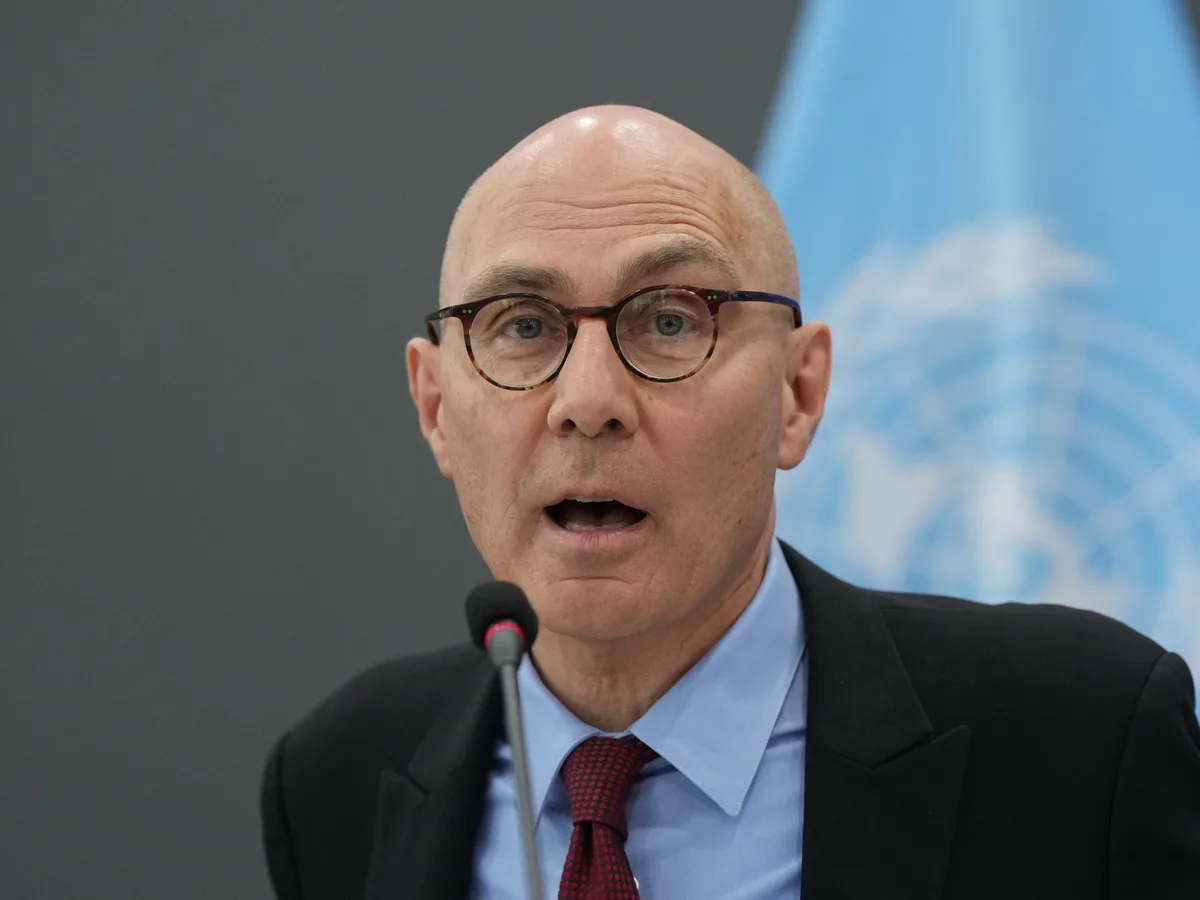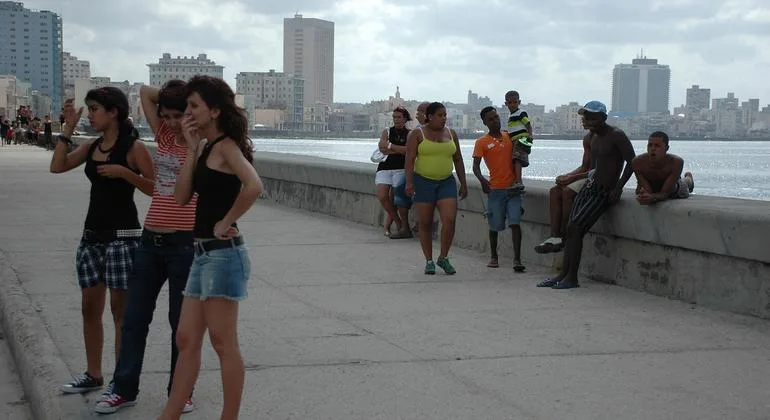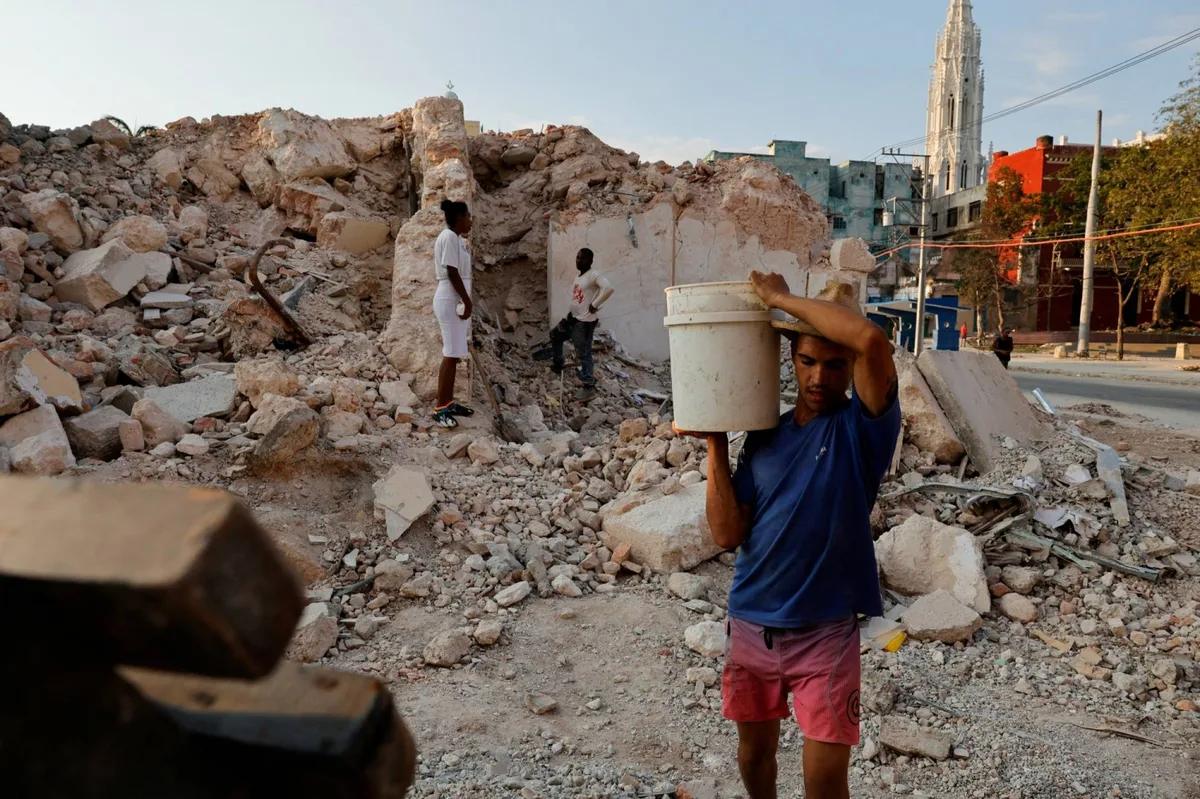
The United Nations Human Rights Chief Volker Turk warned that US sanctions on Cuba, imposed since early 2026, are causing severe harm to vulnerable populations, particularly children. He said the fuel restrictions and tighter extraterritorial measures are directly impacting Cuban lives, leading to a doubling of the infant mortality rate and a sharp drop in child cancer survival rates [1, 2, 3, 4].
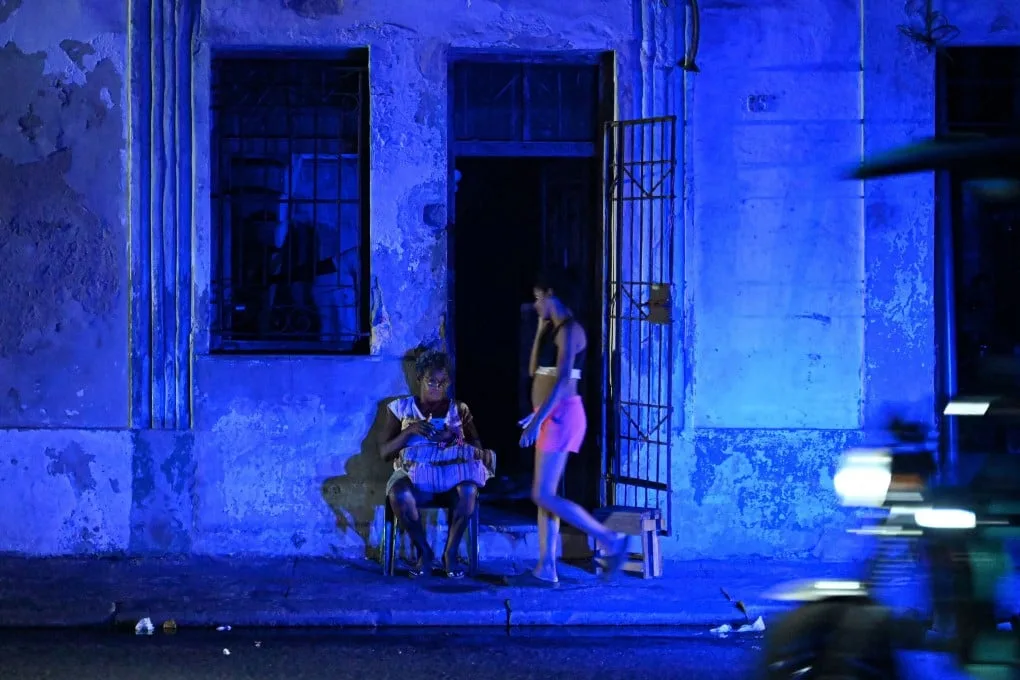
Since January 2026, US restrictions on fuel supplies have reduced Cuba’s reserves drastically, resulting in power outages often lasting over 20 hours daily. This has severely disrupted basic services and supply chains across the island [1, 3, 4]. The infant mortality rate increased to 9.9 deaths per 1,000 live births after the sanctions began, while child cancer survival rates fell from 85% to 65% [1, 4].
Basic medicine supplies have dropped to roughly 30% of normal levels, according to UN reports. Food production fell by 60% amid fuel shortages, leading to scarce and more expensive food [1, 4]. The fuel crisis and sanctions have affected roughly 10 million Cubans [2]. Turk said, "Children are dying because doctors lack access to essential medical supplies and medicines. This is unacceptable. These sanctions must be lifted immediately" [2].
The US began targeting Cuba’s Interior Ministry, National Police, Intelligence Directorate, and President Miguel Diaz-Canel with sanctions starting in January 2026, aiming to pressure the government over alleged repression [3, 5]. The US government defends its policy, saying sanctions focus on regime leaders and allow humanitarian aid through proper channels. A State Department spokesman said, "US sanctions do not prohibit legitimate humanitarian assistance delivered through appropriate channels, as long as it directly benefits the Cuban people rather than the illegitimate regime" [2]. A White House official added the sanctions target those "who sustain the regime’s malicious campaign to subvert and destabilize U.S. national security" [5].
However, the UN notes that despite official humanitarian exemptions, many private companies avoid trading with Cuba to reduce risk, causing delays and suspensions in critical food and medicine shipments totaling over 2,900 tons [1].
Turk also urged the Cuban government to release all arbitrarily detained persons and respect freedoms of speech, assembly, and association amid growing social tensions [1, 3].
The US first imposed fuel embargo measures on Cuba on January 1, 2026, declaring the country an unusual and extraordinary threat. Subsequent executive orders added tariffs on third countries supplying fuel to Cuba, and sanctions extended to top government officials by mid-2026 [1, 2, 3, 4].
The UN call for lifting sanctions came as Cuba’s fuel reserves dangerously depleted by mid-May 2026, causing daily electricity outages and worsening humanitarian conditions [1].