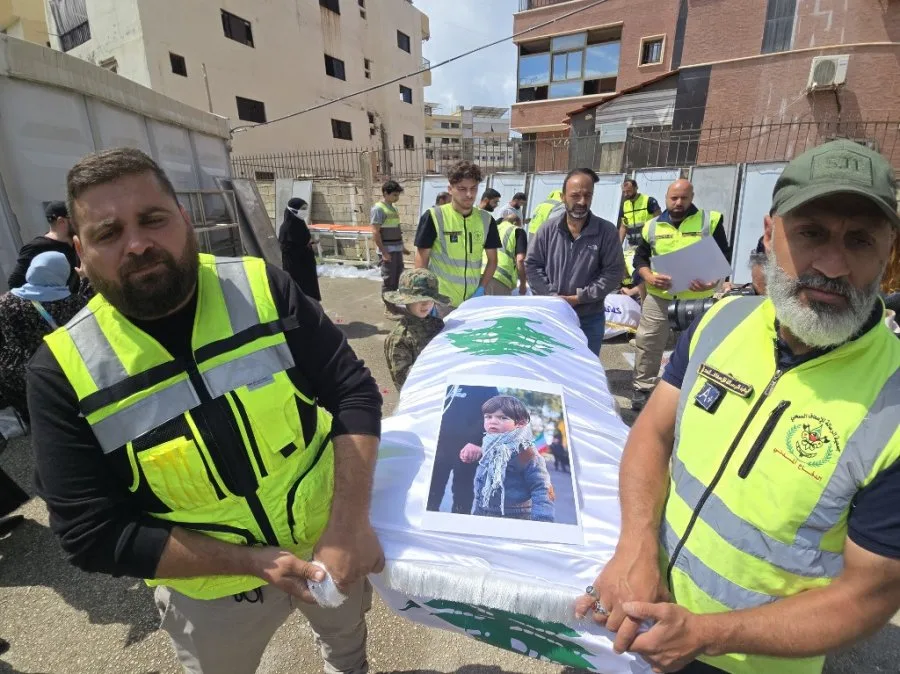
An average of 11 children have been killed or injured every day in Lebanon over the past week, UNICEF reported on May 29, totaling 77 child casualties over seven days [1, 2, 3, 4]. Since the ceasefire announced between Israel and Hezbollah on April 16-17, 55 children have been killed and 212 injured, marking 267 child casualties overall during this period [1, 2, 3, 4]. The toll mainly stems from airstrikes in southern Lebanon, UNICEF spokesperson Ricardo Pires said, calling it "staggering" and noting most casualties occurred there [4].
Violence continues despite the ceasefire, with UNIFIL recording 399 firing incidents by Israeli forces and 11 projectile trajectories by Hezbollah on May 25 [5]. Two days later, May 27, the number of projectiles fired rose to 670, the highest since April 17, according to UNIFIL [6, 7]. On May 28, Israeli strikes hit towns in southern Lebanon and Beirut's southern suburbs, killing at least eight people including children in areas such as Zahrani district, Tyre, and east of Sidon [1, 7]. Within the last seven days alone, 15 children were killed and 62 injured, with seven killed and 30 injured on May 28 alone [2, 3, 7, 4].
United Nations spokesperson Stephane Dujarric condemned the civilian casualties and urged respect for the ceasefire, stating, "We again urge all to respect the cessation of hostilities and stop any further attacks. We reiterate that civilians and civilian infrastructure must never be targeted." [7] UN spokesperson Farhan Haq highlighted ongoing airspace violations, noting that 91 were detected on May 27, the highest since the ceasefire began [5].
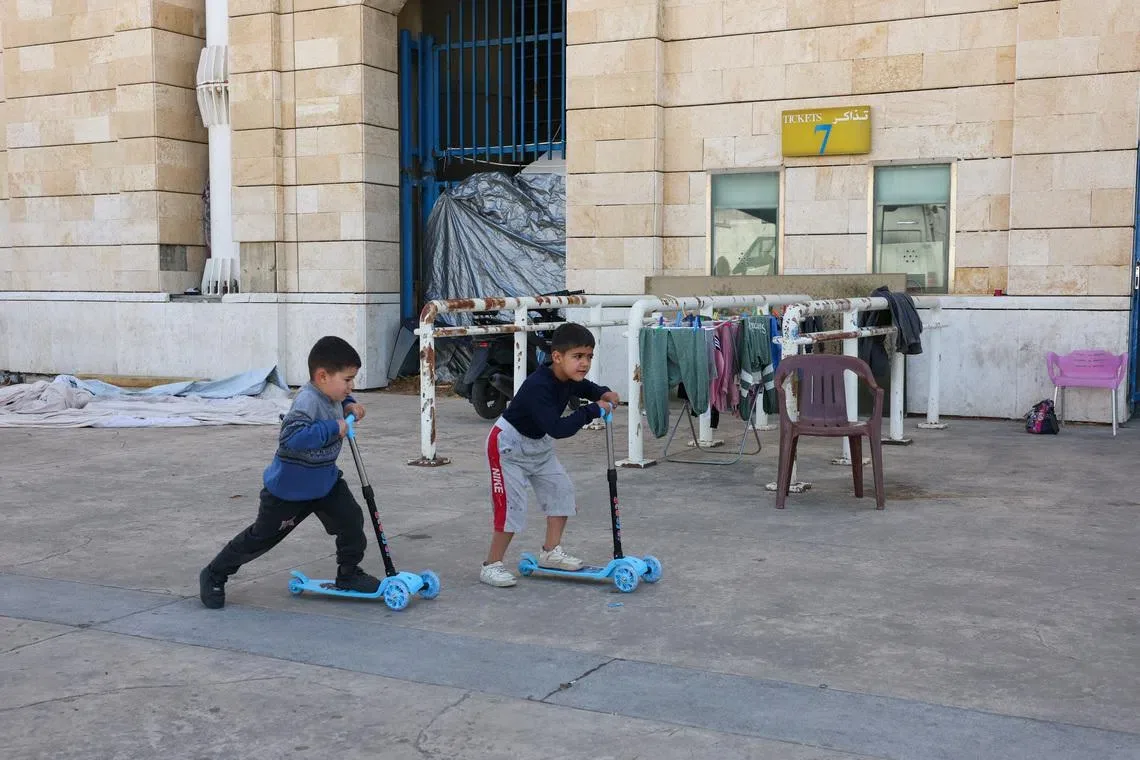
The hostilities have displaced more than 1.6 million people within Lebanon since March 2. The conflict has resulted in over 3,200 deaths and 9,600 injuries, according to UN reports [6]. Hundreds of thousands remain displaced as renewed fighting destroys homes and infrastructure [5, 6, 7].
The ongoing pattern of ceasefire breaches and violence risks further child casualties and civilian suffering. Observers await any new developments or diplomatic efforts to enforce the cessation of hostilities.