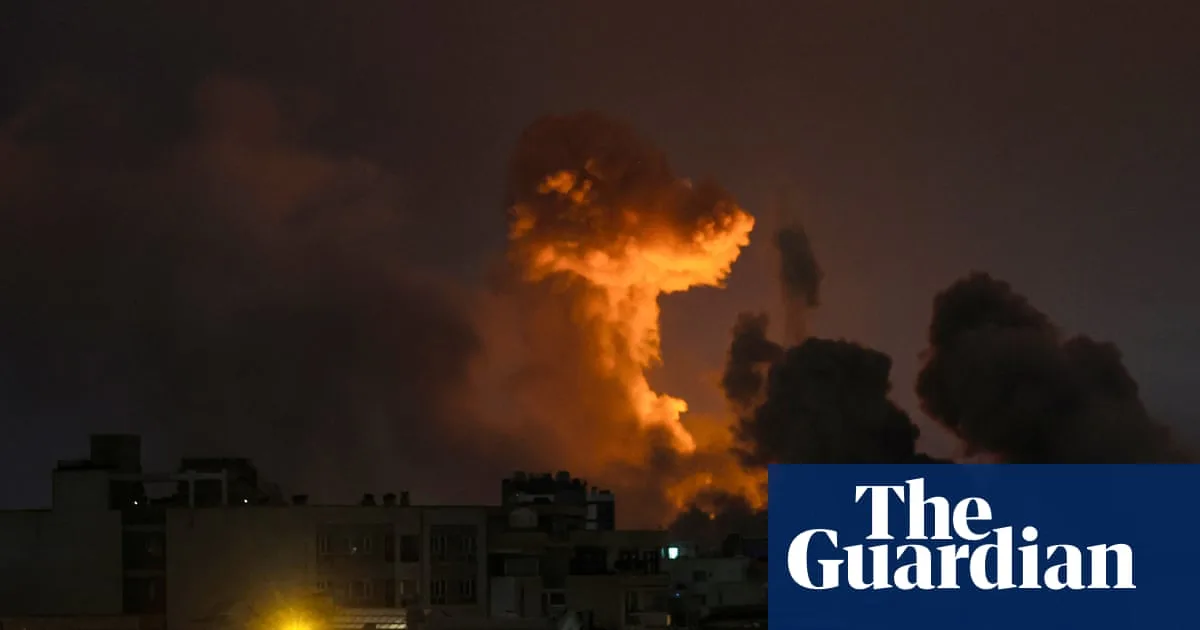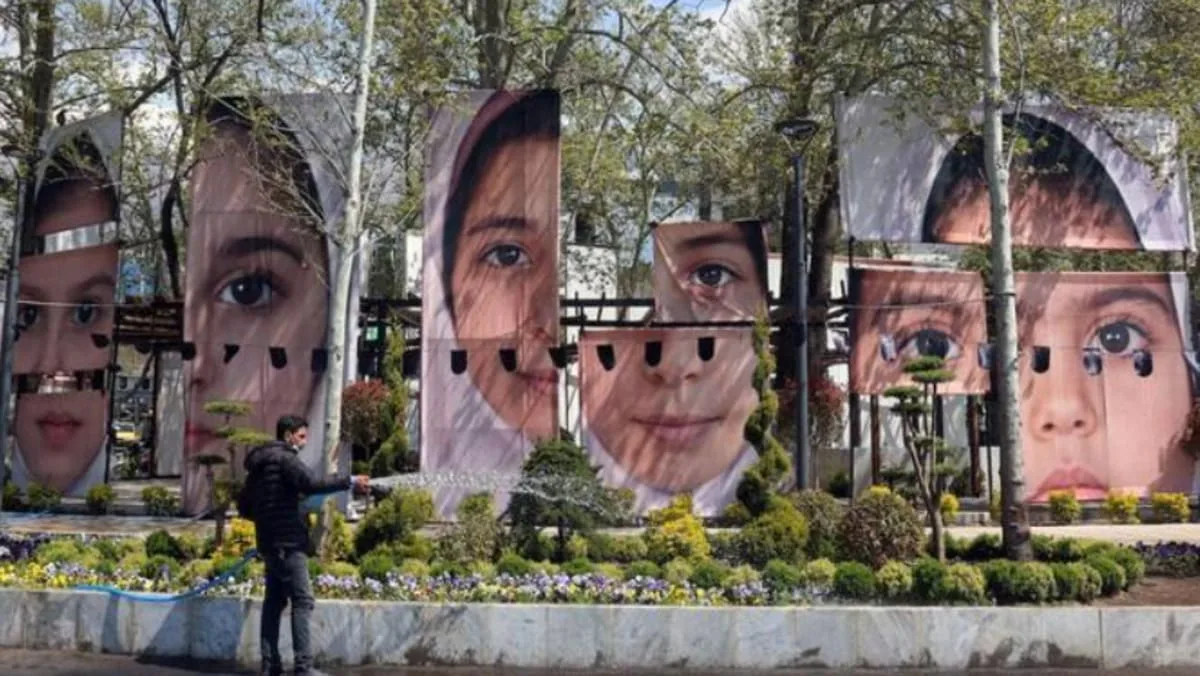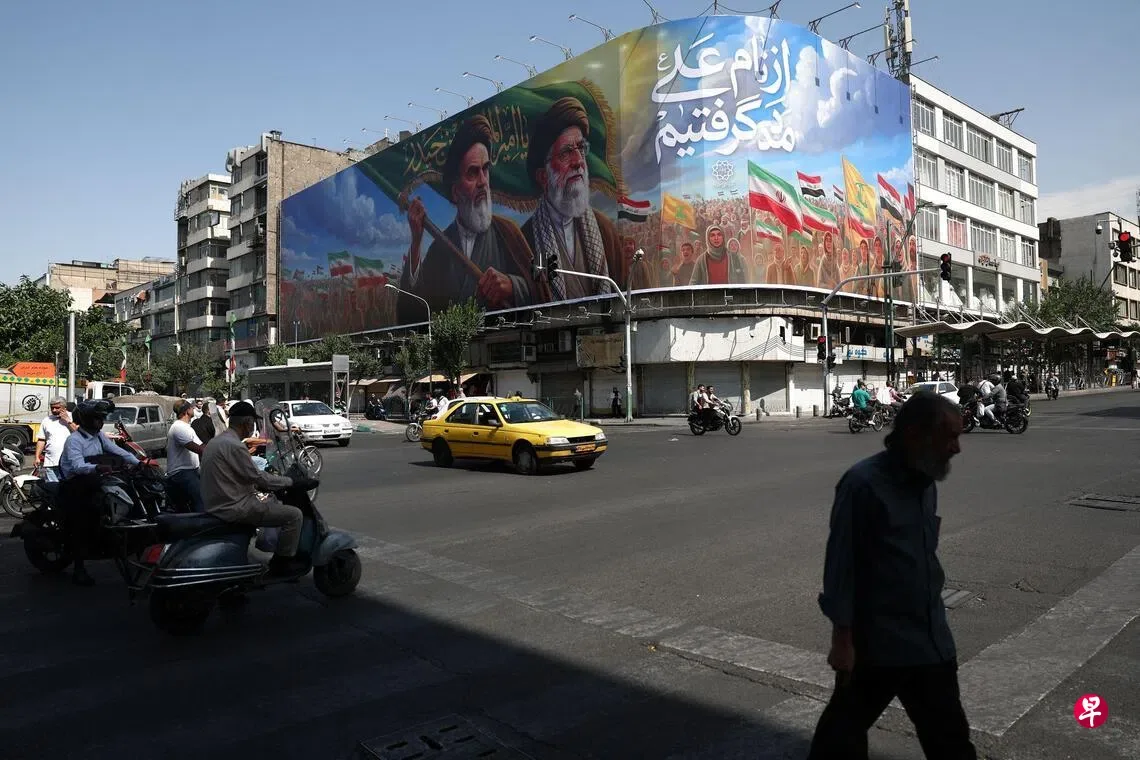
US forces conducted airstrikes on June 10, 2026, targeting southern Iranian cities Jask and Sirik as well as Qeshm Island near the Strait of Hormuz [1, 2, 3, 4]. These strikes damaged two water reservoirs supplying the Bemani and Kouhestak areas in Hormozgan province [1, 2, 5, 4]. The damage cut off access to safe drinking water for approximately 20,000 to more than 20,000 residents [1, 2, 5, 6, 7, 3, 4]. Temperatures in the affected region reached between 38 and 50 degrees Celsius, worsening conditions for those without water [1, 2, 5, 6, 7, 3].
Iranian water utility officials and local authorities reported efforts to restore the water supply through bypass pipelines and water truck delivery [8, 5, 6, 7, 9, 10]. Iran said water service to the villages was restored within 12 hours after the attack [8, 9, 10]. Despite this, residents faced a severe disruption during the intense heat [1, 2, 5, 6]. Visual and satellite evidence from multiple sources confirmed the damaged reservoirs were civilian water infrastructure in Bemani [5, 6, 7, 4]. Weapons debris recovered at the site matched remnants of US-made GBU-39 guided bombs [5, 6, 7, 4].
US Central Command said the strikes targeted Iranian military facilities near the Strait of Hormuz in self-defense following Iran’s downing of a US Army Apache helicopter over Gulf waters [1, 11, 2, 5, 3, 9, 4]. The US did not confirm if civilian infrastructure damage was intentional. US Defense Secretary Haces deflected questions on possible war crimes, calling media inquiries malicious and saying, "We will strike targets to improve our operational environment and degrade Iran’s capabilities" [5, 6, 7].
Iran condemned the strikes as deliberate attacks on civilian infrastructure and called them war crimes. Iranian Foreign Ministry spokesperson Esmaeil Baqaei said, "Water is the pulse of life — and the U.S. is deliberately targeting the lifeblood of the Iranian people" and stated the US must be held accountable for its "systematic cruelty against essential infrastructure" [8, 5, 9, 10]. In response, Iran launched missile and drone attacks on US bases in Bahrain, Jordan, and Kuwait between June 10 and 11 [1, 3, 9].
Legal experts noted that if the water reservoirs were deliberately targeted, the strikes could constitute war crimes under international law [11, 5, 6, 7, 4]. US Central Command stated it was reviewing damage reports but maintained its justification as self-defense [11].
The strikes occurred despite an existing ceasefire agreement since April 8, 2026, challenging regional stability [11, 8, 9, 10]. Iranian officials announced the water supply restoration on June 11, ending the immediate crisis for the affected villages [8, 9, 10].