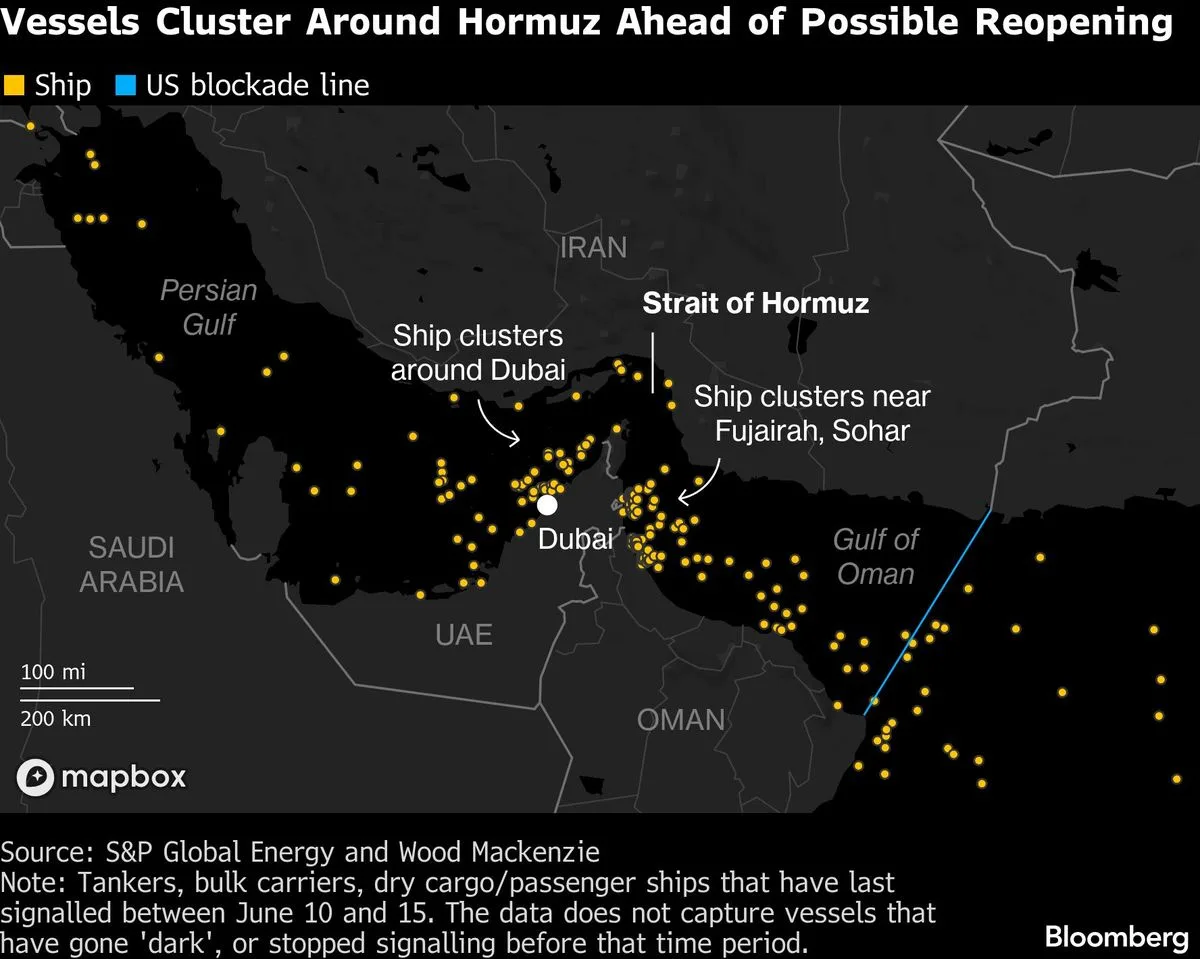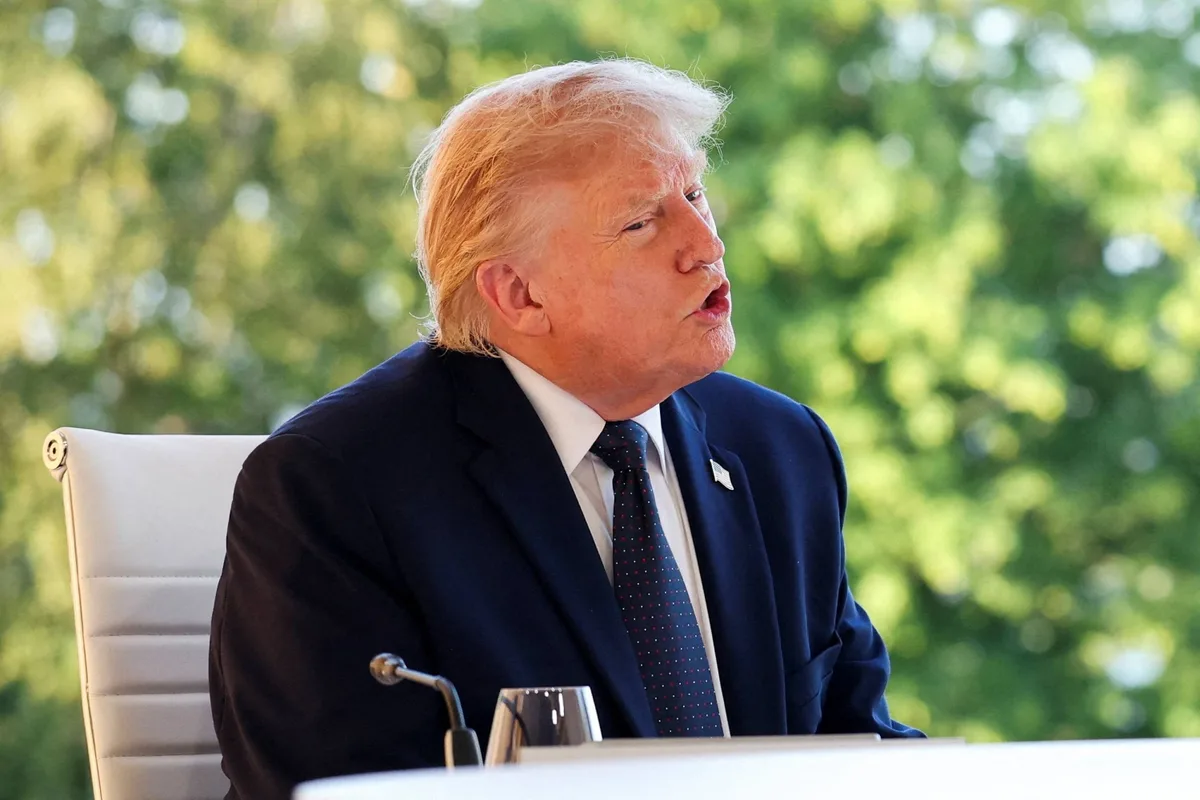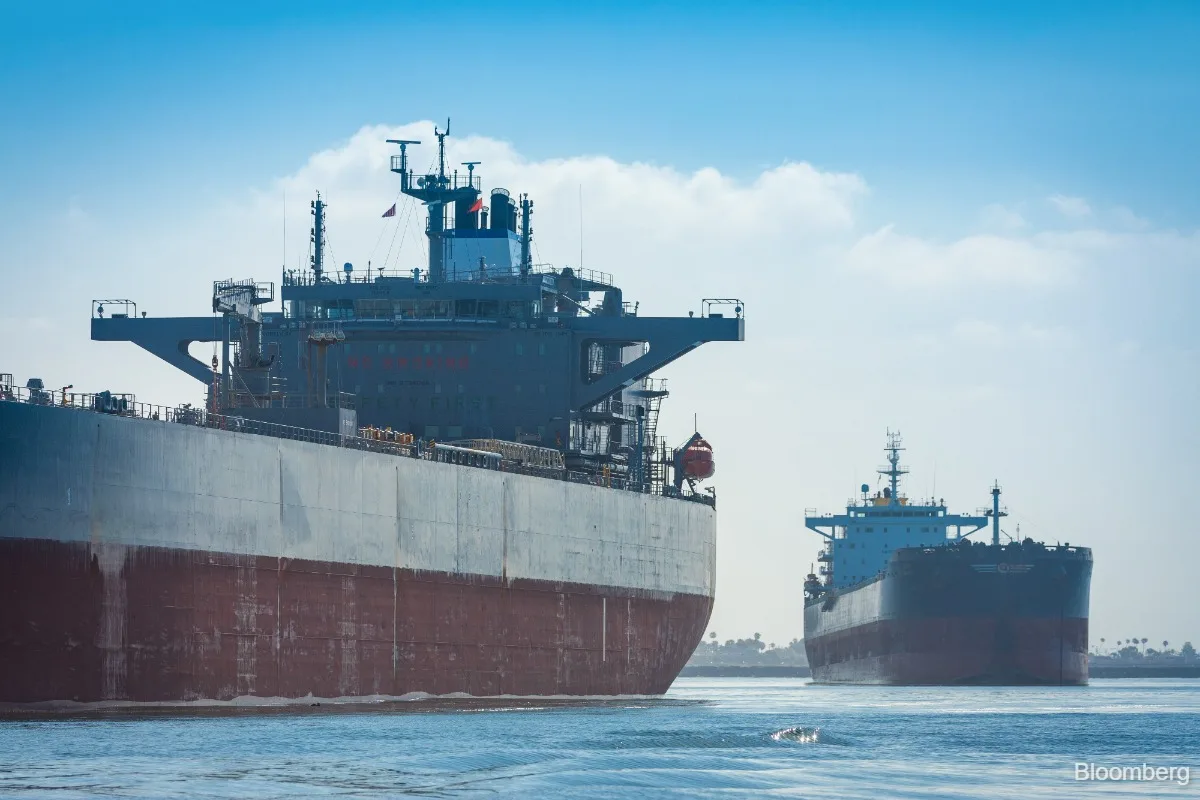
US President Donald Trump said ships have started moving through the Strait of Hormuz and vowed the waterway would be completely open by Friday, June 19, 2026, after a peace deal with Iran [1, 2, 3]. Iranian media reported that three oil tankers and two cargo ships have already passed through the Strait [3].
The announcement ends months of conflict triggered by US and Israeli strikes on Iran starting in late February 2026, which led to a near blockade of the Strait that severely disrupted oil shipping [2, 3]. By May 1, the Strait was effectively closed, cutting off about 20 million barrels per day of oil flow and moving an estimated 100 million fewer barrels overall [4].
A senior US official said President Trump, Vice President JD Vance, and Iran’s parliamentary speaker Mohammad Bagher Ghalibaf have already signed the agreement electronically [3]. Iran, the US, and Pakistan announced the deal will be formally signed on June 19, 2026, in Switzerland [3]. Iranian Deputy Foreign Minister Kazem Gharibabadi said the deal brings an immediate end to the war, with final agreement talks planned within two months [3].
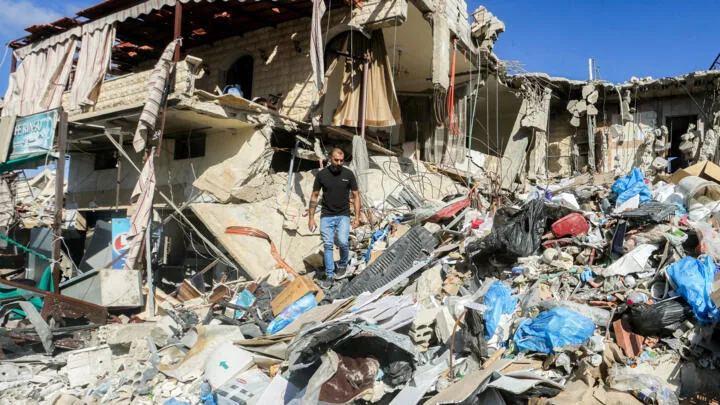
Iran’s foreign ministry spokesman said Tehran expects Israel to stop fighting in Lebanon as a condition of the deal [1, 2, 3]. Iranian Foreign Minister Abbas Araghchi expressed skepticism about durability, noting a history of broken commitments, saying, "We have a history of broken commitments. We have a history of agreements being torn up. All of this is present in our minds" [3]. Iran’s military hailed the accord as a victory that humiliated the US and Israel [3].
European G7 allies at the summit expressed doubts over the timeline for reopening the Strait by Friday and questioned details before committing to a mine-clearing and patrol mission [1, 2]. Italian Prime Minister Giorgia Meloni said, "Italy’s contribution is conditional on a cessation of hostilities in Lebanon" [1]. Some US officials also doubted rapid normalization, with one saying it could take two weeks or more for shipping traffic to ramp up significantly and even longer to reach pre-conflict levels [1, 2].
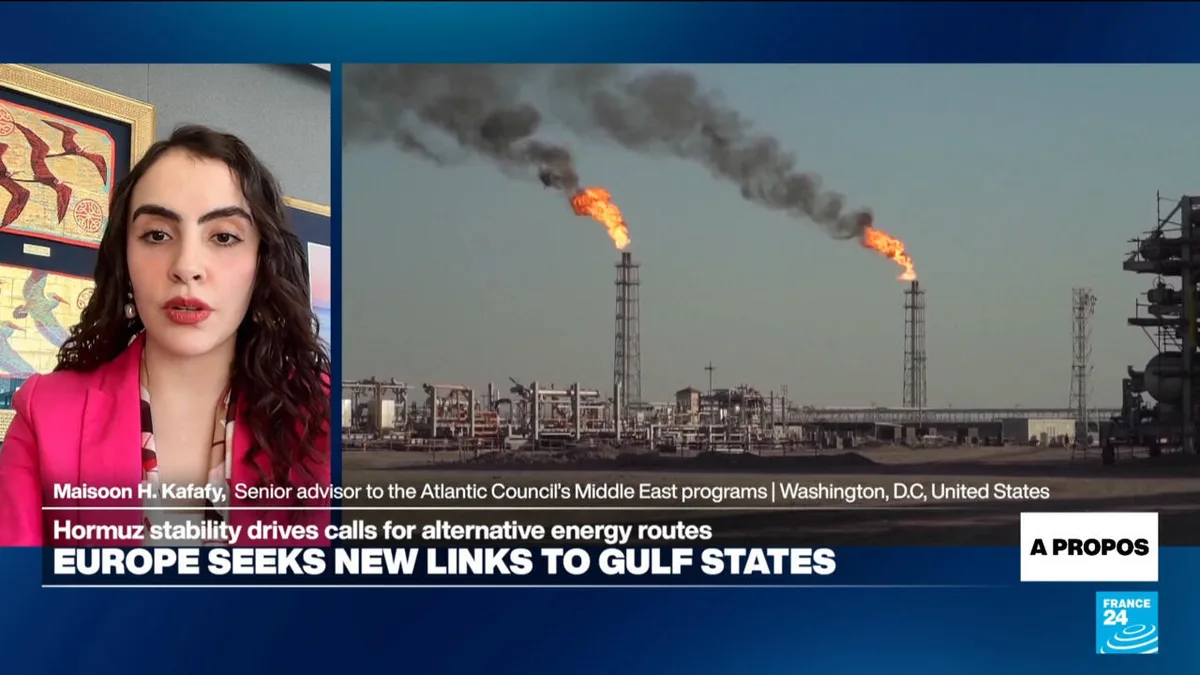
The US-Iran memorandum includes a toll-free passage for the Strait for 60 days, which the US expects to be included in the final agreement [1]. Oil industry leaders have warned against tolls on safe passage [1]. Meanwhile, G7 leaders are exploring alternative oil export routes to reduce dependence on the Strait, though experts say previous attempts lacked commercial viability due to high costs. Maisoon H Kafafy of the Atlantic Council said, "The commercial viability [of alternative routes] was simply not there and the economics of the upfront investment into these projects were perhaps too large to justify" [5, 6].
The peace agreement is expected to be formally signed in Switzerland on June 19, with further talks on a final complete agreement planned within two months [3].